Iran Blockade Sparks Global Tensions: A Test of Wills
The US has imposed a blockade on Iranian ports, aiming to cripple its economy and force negotiations. This move, however, risks escalating regional tensions. Iran's resilience to sanctions and its strategic use of the Strait of Hormuz present complex challenges, while differing US and Israeli objectives add to the volatile situation.

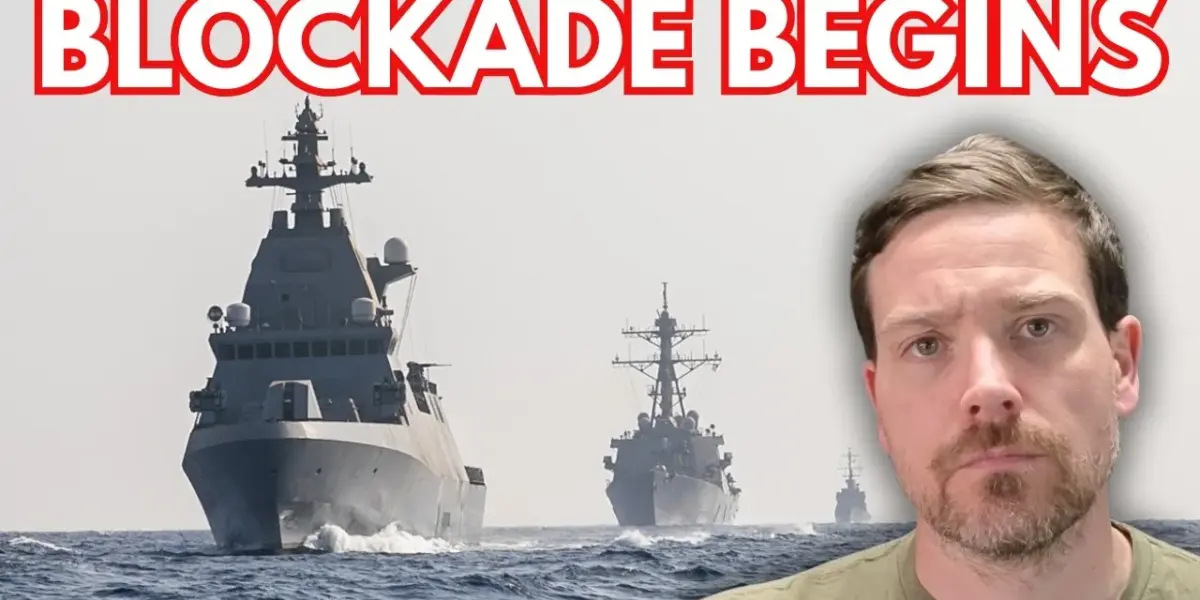
US Tightens Grip on Iran’s Economy, Risks Escalation
The United States has implemented a significant blockade of Iranian ports, a move aimed at crippling Iran’s economy and forcing it to negotiate. This action, however, carries a serious risk of escalating tensions in the region. The US Navy is employing complex, high-intensity operations, involving numerous assets and carrying potential dangers depending on Iran’s reaction.
These operations have two main parts. First, the US Navy is establishing a traditional blockade outside the Strait of Hormuz, preventing ships from entering or leaving Iranian ports. They have the capability to monitor, hail, query, and even board vessels that do not comply. Second, the US aims to create a safe passage for friendly ships. This involves escort missions and potentially mine-clearing operations to ensure safe routes.
Legal Hurdles and International Concerns
The legal implications of a blockade are significant. Blockades are expected to be impartial under international law, making the process of sorting and potentially seizing vessels complicated. Questions arise about how to handle ships carrying non-sanctioned materials but willing to pay fees to Iran, or where to send seized vessels and their cargo.
Regional allies and European nations are currently observing the situation cautiously. While a coalition for safe passage operations could emerge, it will likely take time to establish the necessary procedures and legal frameworks. The current approach appears to be a waiting game, with both sides anticipating the other to make a move first.
A Race Against Time: Economic Pressure and Iranian Resilience
The blockade is designed to increase US leverage in negotiations, but Iran also faces economic pressure. A successful blockade could cost Iran around $400 million per day, a substantial amount that could force concessions. However, Iran has shown resilience to sanctions over decades, suggesting they might be able to weather the economic storm.
Reports indicate Iran has moved significant oil reserves to the Indian Ocean, potentially creating an economic buffer. Despite this, Iran is still on a clock, facing mounting financial strain. This situation represents a test of wills, with time being a critical factor for both the US and Iran.
Shifting Deterrence: The Strait of Hormuz as a New Weapon
Iran’s ability to threaten the Strait of Hormuz has emerged as a significant element of its deterrence strategy. Previously seen as a theoretical risk, Iran’s actions have demonstrated its capability and willingness to disrupt global oil flow. This adds a new dimension to their deterrence, complementing their ballistic missile program, proxies, and nuclear ambitions.
The potential for Iran to leverage the Strait of Hormuz in negotiations, particularly concerning its nuclear program, is a key development. While Iran may insist on its right to enrich uranium, a de facto acceptance of this right through a long-term moratorium could open avenues for a deal. The Strait now serves as a powerful bargaining chip.
Divergent Strategic Goals: US and Israel on a Collision Course?
While the US and Israel share operational goals in the region, their strategic objectives regarding Iran differ. Israel views the Iranian regime itself as the core problem, advocating for regime change. The US, on the other hand, prioritizes preventing Iran from acquiring nuclear weapons.
This disconnect could lead to separate paths, with Israel potentially pursuing covert actions for regime change while the US focuses on diplomatic solutions and preventing a nuclear Iran. The messaging towards the Iranian people, initially aimed at encouraging popular uprising, has largely ceased, highlighting the challenges in aligning these differing strategies.
The Human Cost: Iranian People Caught in the Middle
The conflict and subsequent blockade have placed the Iranian people in a precarious position. While the Iranian state may have degraded military capabilities and faced economic pain, the ultimate burden falls on its citizens. A more hardline and potentially vengeful regime could lead to increased internal crackdowns.
The initial hope for a popular uprising, fueled by external messaging, did not materialize. This suggests that while there may have been discussions about supporting internal change, the plans were not mature enough to yield significant results. The Iranian people appear to be paying the highest price in this escalating geopolitical struggle.
Looking Ahead: Negotiations and Potential Escalation
The coming days are critical, with ongoing negotiations being the primary focus. A broad agreement on the nuclear issue would signal a de-escalation. The effectiveness of the blockade and Iran’s reaction will also be closely watched. The continued flow of US forces into the region indicates that options for escalation remain on the table.
However, if negotiations falter, the US president may have limited options beyond significant escalation. The situation remains dynamic, with the potential for rapid changes as the Strait of Hormuz becomes a focal point in this high-stakes geopolitical chess match.
Why This Matters
The US blockade of Iranian ports is more than just an economic pressure tactic; it’s a high-stakes gamble with the potential to reshape regional stability and global energy markets. The intricate legal and diplomatic challenges, coupled with Iran’s demonstrated resilience and its evolving deterrence strategy centered on the Strait of Hormuz, create a volatile environment. Understanding these dynamics is crucial for grasping the immediate risks of escalation and the long-term implications for international relations, particularly as differing strategic goals between allies like the US and Israel add further complexity to an already fraught situation.
Historical Context
The US relationship with Iran has been complex and often adversarial since the 1979 revolution. Decades of sanctions have been imposed, testing Iran’s economic and political resilience. The Joint Comprehensive Plan of Action (JCPOA), or Iran nuclear deal, was an attempt to curb Iran’s nuclear program through diplomacy, but its future has been uncertain. The current blockade and intensified pressure represent a significant escalation of this long-standing tension, drawing parallels to past efforts to contain Iran’s influence and nuclear ambitions.
Implications, Trends, and Future Outlook
The intensification of pressure on Iran highlights a trend towards using economic strangulation as a foreign policy tool. However, Iran’s history of resilience suggests this strategy may not yield swift capitulation. The emergence of the Strait of Hormuz as a key deterrence element signifies a strategic shift for Iran, potentially strengthening its hand in future negotiations. The divergence in strategic objectives between the US and Israel could lead to a more fragmented approach to managing Iran, with implications for regional security. The future outlook remains uncertain, with a delicate balance between diplomatic breakthroughs and the ever-present risk of military escalation. The well-being of the Iranian people, caught between internal regime pressures and external economic sanctions, is a significant humanitarian concern.
Source: What to Watch as the Iran Blockade Intensifies (YouTube)

Related Articles

US Tightens Grip: Iran Blockade Shifts to Economic Warfare
The U.S. has shifted its strategy, imposing a selective blockade on Iran's oil exports via the Strait of Hormuz. This economic pressure aims to avoid military conflict, but faces challenges in enforcement and international support. Markets remain cautiously calm, anticipating diplomacy.

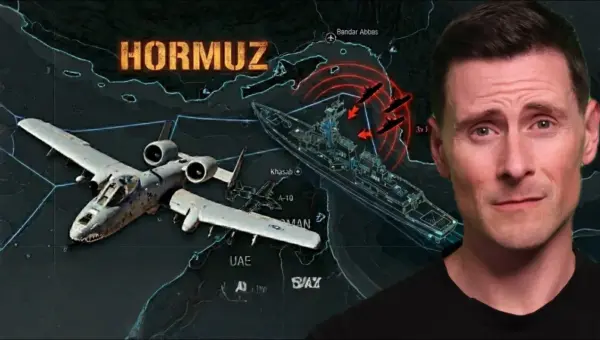
US Navy Blockades Hormuz, Threatens Elimination
The U.S. Navy has imposed a full blockade on the Strait of Hormuz, aiming to halt Iran's oil exports and choke off funding for the IRGC. President Trump warned that Iranian ships approaching the blockade will be "immediately eliminated." This strategic move targets Iran's economic lifeline and escalates tensions in the region.

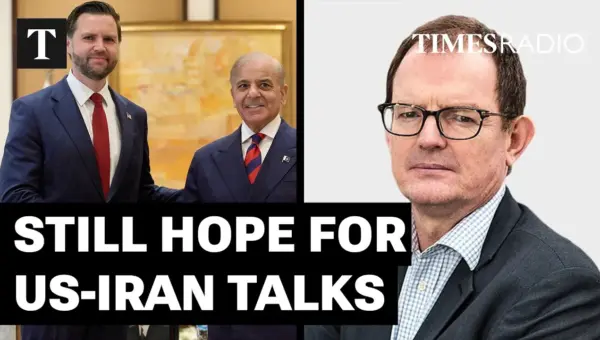
US-Iran Talks Hinted Despite Vance’s ‘All Over’ Claim
Rumors suggest new talks between the US and Iran may be imminent, despite recent claims of negotiation failure. Meanwhile, direct talks between Lebanon and Israel are set to occur in the US, aiming for pragmatic solutions amid ongoing conflict. Italy has also suspended its defense agreement with Israel, signaling shifting international pressure.