Hungary’s Orban Defeat Signals Shift for Eastern Europe
Hungary's political shift following Viktor Orban's influence may signal a change for Eastern Europe. For years, Orban was seen as a key player supporting pro-Russia, anti-democratic leaders and blocking EU policies. The new leadership's pledges suggest a potential realignment for Hungary and the region.

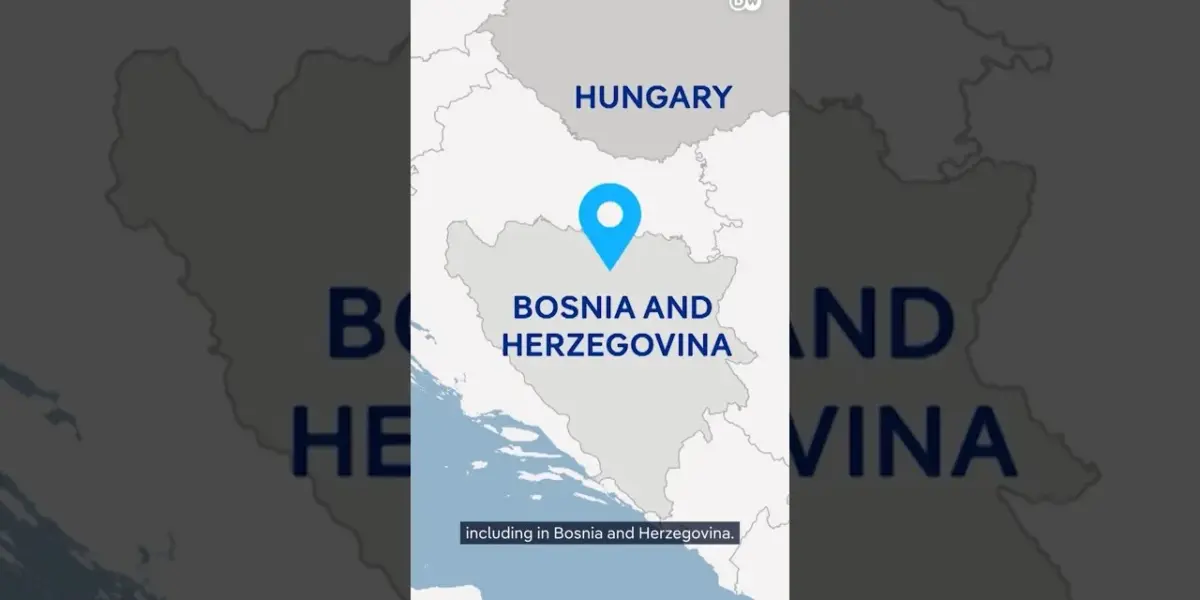
Hungary’s Shifting Role in Eastern Europe
Hungary’s recent political changes may signal a significant shift for Eastern Europe, potentially weakening the influence of leaders described as “strongmen.” For years, Hungarian Prime Minister Viktor Orban was seen as a key player, not only blocking European Union foreign policy but also influencing the Balkans, a region still developing its democracies and vulnerable to outside interference.
Orban’s Balkan Strategy and EU Expansion
The countries in question include those of the former Yugoslavia, plus Albania. Orban had publicly supported the idea of these nations joining the European Union. His strategy appeared to be to bring these countries into the EU while he was in power. The goal was to increase the number of countries in the EU that shared his political views. With Hungary often acting as a sole opponent to EU decisions, bringing in countries like Serbia could have meant adding another vote consistently aligned with Russia.
Allegations of Interference in Bosnia and Herzegovina
Beyond EU politics, Orban’s government was accused of backing certain groups in other nations. In Bosnia and Herzegovina, Hungary was seen as a major challenge to the country’s security and stability. For roughly the last ten years, Orban has openly supported the Bosnian Serb leadership seeking to separate from Bosnia and Herzegovina, specifically in the city of Banja Luka.
Influence in Slovakia and the “Bromance” with Fico
Slovakia is another example where Hungary’s influence was felt. Prime Minister Robert Fico, who has been described as having a close relationship with Orban, continued a path similar to Hungary’s. Reports suggest that Hungary’s intelligence and political circles, under Orban’s leadership, actively worked to help Fico win his election and later return to power. This effort was reportedly coordinated with Moscow, suggesting a shared goal for Slovakia’s role in supporting a group of countries with less democratic approaches.
The Pattern of an Illiberal Block
The pattern observed is Hungary actively supporting leaders in various countries who are seen as pro-Russia and anti-democratic. The aim was to alter the political direction of Europe. Orban played a crucial role in building what is called an “illiberal block,” particularly among the “Visegrad countries” within the EU. During the 2010s, this group emerged as an alternative to the traditional liberal leadership found in Western European nations like France and Germany.
A New Direction for Hungary?
The situation appears to be changing with the election of Péter Magyar as Orban’s successor. Magyar has stated his intention to change Hungary’s direction. He has pledged to make Hungary a strong partner again for both Europe and NATO. This announcement suggests that the actions and influence described by analysts like Yasmin may be set to change. The implications for Eastern Europe’s political future, and the strength of the illiberal block Orban helped create, will become clearer in the coming months.
“Hungary had often been the single spoiler to vote things down.”
“Hungary has become arguably one of the most acute threats to Bosnian Herzuggavina’s security and stability.”
“Hungary and the Hungarian intelligence and political establishment under Victor Orban worked very very uh uh decisively with great determination to try to secure not only FTO’s initial election but then also his subsequent return to power.”
What’s Next for Eastern Europe?
The coming months will be crucial in understanding the full impact of Hungary’s political transition. Observers will be watching closely to see if the new leadership truly pivots Hungary towards closer cooperation with the EU and NATO. The influence of the illiberal block in Eastern Europe will likely be tested, and its future direction remains a key question for the region’s stability and democratic development.
Source: Does Orban's defeat weaken strongmen in Eastern Europe? | DW News (YouTube)

Related Articles

Ukraine Secures EU Loan, IMF Deal Faces Hurdles
Ukraine's financial future brightens as Hungary unblocks a crucial 90 billion euro EU loan. However, Kyiv faces challenges in meeting the conditions for an $8.1 billion IMF lending agreement, potentially seeking renegotiations on unpopular measures.
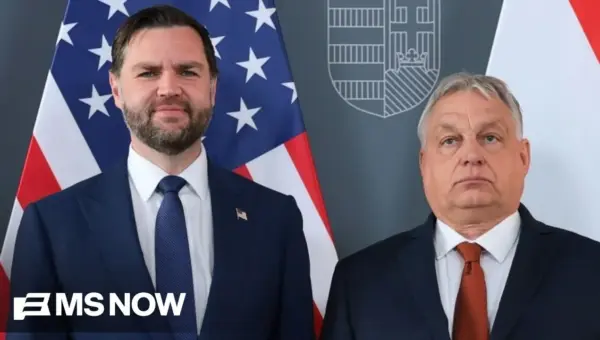
Trump-Vance Brand Suffers Overseas After Iran War, Analyst Says
Senator J.D. Vance's recent trip to Hungary to support Prime Minister Viktor Orban has drawn sharp criticism, with analysts arguing the "Trump-Vance brand" has become toxic overseas. Despite Vance's defense of the visit as supporting an ally, critics point to Orban's authoritarian record, suggesting such endorsements may now backfire, rallying opposition against the supported candidates.

Hungary Ousts Orban, Unblocks EU Aid to Ukraine
Hungary's election of Peter Magyar marks a significant geopolitical shift, ending Viktor Orban's 16-year rule and immediately unblocking crucial EU aid to Ukraine. Magyar's pragmatic approach blends national identity with European cooperation, offering a potential model to challenge entrenched nationalist leaders.