Iran Escalates Tensions: Ships Bombed, Hostages Taken
Iran has escalated tensions by attacking multiple ships in the Strait of Hormuz, causing damage and possibly taking hostages. Mysterious explosions also hit an oil refinery in Iraq and security checkpoints in Iran. These actions occur despite a reported ceasefire extension, signaling a dangerous rise in regional instability.

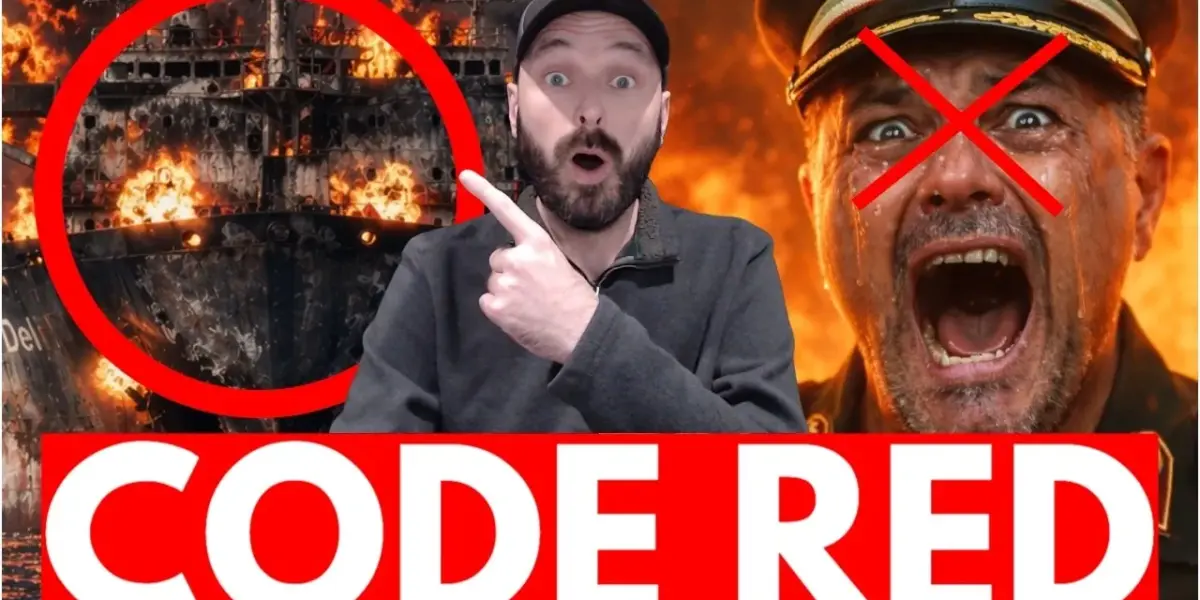
Iran Escalates Tensions: Ships Bombed, Hostages Taken
On April 22nd, Iran launched a series of aggressive actions in the Strait of Hormuz, attacking multiple ships and possibly taking hostages. These attacks, which caused significant damage to at least one vessel, occurred despite a reported extension of a ceasefire. The incidents signal a worrying rise in regional instability.
Ships Under Fire in the Strait of Hormuz
The United Kingdom Maritime Trade Operations Center reported two major incidents. The vessels MSC Francesca and EPOS were attacked roughly 8 to 15 nautical miles west of Oman.
The Islamic Revolutionary Guard Corps (IRGC) later announced they had stopped and seized these vessels. Initial reports indicated the first ship suffered heavy damage from gunfire and bombing, with its bridge destroyed.
The second vessel also came under heavy fire. While the full extent of its damage remains unclear, it is confirmed that both ships were attacked.
A third vessel was reportedly attacked but not believed to be damaged, though it stopped in the water. This wave of attacks involved extensive gunfire and explosives, highlighting Iran’s willingness to disrupt crucial shipping lanes.
Seizures and Hijackings Raise Concerns
Adding to the concern, the IRGC claimed to have seized the Francesca and EPOS, bringing them back to Iran. This development came shortly after President Trump announced an indefinite extension of a ceasefire.
The visual of a ship being brought to the coast of Iran strongly suggests a hijacking has taken place. This action directly challenges international maritime law and raises fears of further escalation.
The IRGC’s capability to conduct such attacks relies heavily on their fleet of fast attack boats. These modified speedboats, often equipped with missiles and machine guns, are fast and difficult to detect.
They are used to swarm commercial vessels, making them effective for disrupting shipping. The spokesperson for Iran’s parliamentary national security committee stated, “We will not remain silent, an eye for an eye, an oil tanker for an oil tanker.” This suggests the attacks are a direct response to the United States seizing a cargo vessel carrying Chinese supplies for Iran’s ballistic missile program.
Mysterious Explosions Rock Iraq and Iran
The situation grew more complex with reports of explosions hitting an oil refinery in Erbil, Iraq. The cause of this blast remains unknown, with possibilities ranging from an internal incident to a drone attack.
Significant damage was visible, with smoke rising from the site. This event adds another layer of uncertainty to an already volatile region.
Explosions were reported near security checkpoints within Iran itself. These incidents, described as drive-by shootings, car bombings, and the detonation of improvised explosive devices, suggest internal unrest or coordinated attacks. The timing of these events alongside the maritime aggressions creates a picture of widespread instability originating from Iran.
US Deploys Ukrainian Drone Defense System
In response to repeated Iranian attacks on its assets, the United States has deployed a Ukrainian counter-drone system to Saudi Arabia. Ukrainian personnel arrived at Prince Sultan Air Base to train U.S. soldiers on the SkyWap system. This system is designed to help defend against drone threats, a tactic Iran has employed previously against military installations in the region.
The U.S. military has experienced Iranian drone attacks on aircraft in Saudi Arabia. The deployment of the SkyWap system, developed by Ukraine which has extensive experience with Russian drone warfare, aims to strengthen defenses and prevent future attacks. This collaboration highlights the evolving nature of modern warfare and the international efforts to counter drone threats.
Diplomatic Stalemate and Travel Warnings
Despite the aggressive actions, there are indications of ongoing, albeit stalled, diplomatic efforts. U.S. officials suggested President Trump was willing to offer a short extension to the ceasefire, giving Iran a few more days to present a unified counter-offer. However, Iran’s failure to engage in negotiations suggests these efforts may be futile.
President Trump has commented that Iran desires open shipping lanes to generate revenue, implying their claims of wanting the Strait of Hormuz closed are a tactic to save face while the U.S. maintains a blockade. He also suggested that a deal with Iran would require significant military action against their leadership.
Meanwhile, the State Department issued a stern warning to American citizens, advising them to leave Iran if possible via Armenia, Azerbaijan, Turkmenistan, or Turkey. Travel to Afghanistan, Iraq, and border areas of Pakistan is strongly discouraged.
Why This Matters
The recent actions by Iran represent a significant escalation in a region critical for global energy supplies. The attacks on commercial shipping in the Strait of Hormuz, a vital waterway, threaten to disrupt oil prices and international trade. The potential hijacking of vessels and the retaliatory rhetoric from Iranian officials indicate a deliberate move up the escalation ladder.
The simultaneous explosions within Iran and Iraq add to the complex geopolitical picture. These events raise questions about internal stability within Iran and the broader regional impact of its foreign policy. The U.S. response, including deploying advanced drone defense systems, shows a commitment to protecting its interests and allies but also highlights the growing threat of asymmetric warfare.
Implications and Future Outlook
The situation suggests that diplomatic channels are strained, and Iran may be choosing military provocation over negotiation. The extended ceasefire, intended to allow for talks, appears to have been met with defiance. This could lead to a more forceful response from the United States and its allies, potentially increasing the risk of wider conflict.
The use of fast attack boats and drone technology by Iran highlights their adaptation to asymmetrical warfare. This approach allows them to challenge larger naval powers without engaging in direct, large-scale confrontations. The international community will be watching closely to see if diplomatic efforts can regain traction or if the current trajectory leads to further military engagements.
Historical Context
Tensions between Iran and the United States have a long history, particularly concerning Iran’s nuclear program and its regional influence. The Strait of Hormuz has been a focal point for such tensions for decades, with Iran occasionally threatening to close it during periods of heightened conflict. Previous incidents involving attacks on oil tankers in the strait have led to increased naval patrols and diplomatic pressure.
The current events are unfolding against a backdrop of ongoing negotiations and U.S. sanctions aimed at curbing Iran’s ballistic missile program and support for regional proxies. The seizure of Iranian oil shipments and the U.S. seizure of Iranian missile components have created a cycle of retaliation. This history provides context for understanding Iran’s current actions as a response within this ongoing strategic competition.
The Path Forward
As of April 22nd, the situation remains highly dynamic. Iran has attacked multiple ships, possibly taken hostages, and explosions have occurred within Iran and Iraq.
The U.S. State Department has issued travel warnings, indicating a serious concern for the safety of American citizens in the region. The coming days will be critical in determining whether de-escalation is possible or if the current trend will lead to further confrontation.
Source: BREAKING: Iran BOMBS Multiple Ships – Hostages Possibly Taken (YouTube)

Related Articles
Iran Attacks Ships Amid US Ceasefire Deal
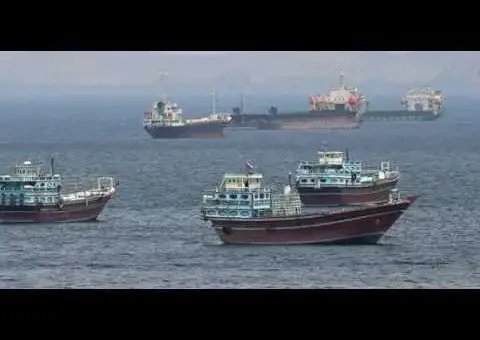
Iranian gunfire struck at least three container ships in the Strait of Hormuz, with one vessel sustaining heavy damage. This incident follows President Trump's announcement of a ceasefire extension with Iran, contingent on a unified proposal from Iranian leaders. The U.S. continues its naval blockade of Iranian ports.


Iran Attacks Ships: Trump’s Ceasefire Humiliates US
Iran's recent attacks on commercial vessels in the Strait of Hormuz have intensified regional tensions, sparking criticism of the U.S. leadership's handling of the situation. The decision to extend a ceasefire is being viewed as a humiliating misstep that has emboldened Iran.


Hungary’s New Leader Offers Ukraine Hope
Hungary's recent election of Peter Magyar as opposition leader signals a potential shift in its relationship with Ukraine. While not guaranteeing an easy path, the change offers Ukraine a better chance for constructive dialogue and fairer deals, especially concerning EU accession. The broader EU landscape may also see a reduction in Russian influence.