Pakistan’s Tightrope Walk: Caught Between Iran and Saudi Arabia
Pakistan is navigating a complex diplomatic tightrope as conflict intensifies in Iran. Deep historical and cultural ties with Iran, including a significant Shia population, fuel strong public solidarity with Tehran. However, Pakistan also shares a crucial mutual defense pact with Saudi Arabia, which has been targeted by Iran.

Pakistan Faces Dilemma Amidst Iran Conflict
In the wake of escalating conflict in Iran, Pakistan finds itself in a precarious position, caught between long-standing allies and deep cultural ties. Public sentiment in Pakistan has largely leaned towards solidarity with Iran, especially following the reported deaths of Iranian Supreme Leader Ayatollah Khamenei during an offensive by the United States and Israel. Demonstrations in Pakistani cities, such as Karachi, have seen citizens attempting to storm the U.S. Consulate, reflecting a strong pro-Iran public opinion.
This public stance, however, creates a complex diplomatic challenge for Pakistan’s government. The nation maintains significant relationships with both Iran and Saudi Arabia, two regional powers with a deeply adversarial relationship. Navigating these competing interests requires careful balancing to avoid alienating either ally.
Deep Historical and Cultural Bonds with Iran
Several factors explain Pakistan’s strong public connection to Iran. The two nations share a substantial border, stretching over 900 kilometers, making them close neighbors. This geographical proximity has naturally fostered close interactions over many years.
Iran is a predominantly Shia Muslim country. Pakistan has a significant Shia population, estimated to be around 20% of its total populace. These shared religious and cultural threads have historically woven a strong fabric of connection between the two nations, influencing public opinion and government policy.
Strategic Alliance with Saudi Arabia
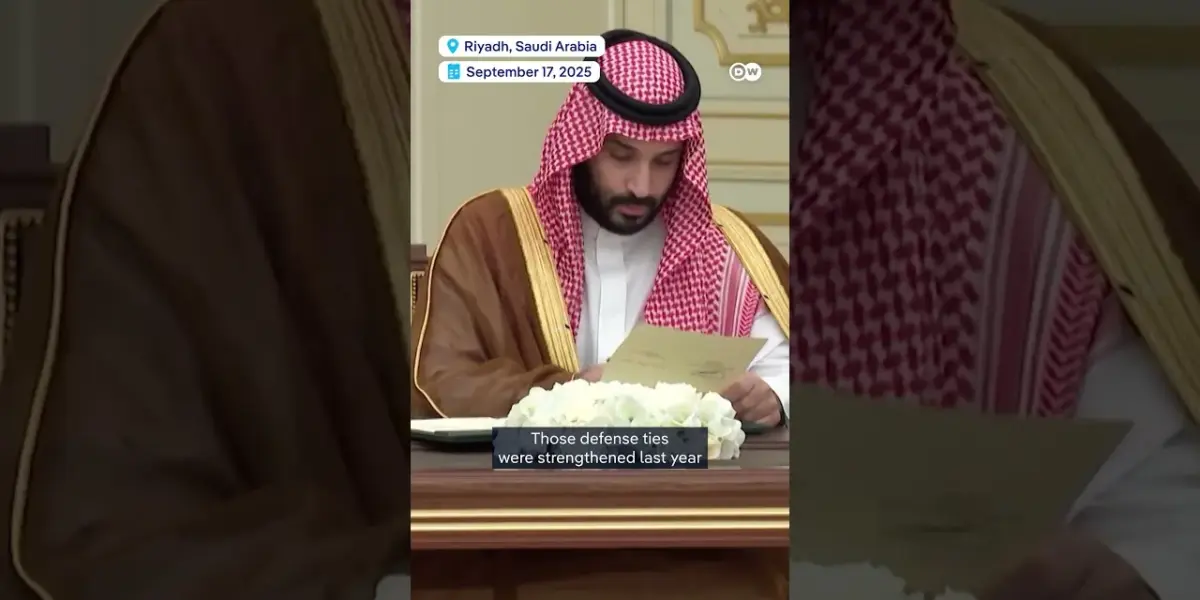
Contrasting with its ties to Iran, Pakistan also possesses a robust and long-standing relationship with Saudi Arabia. This alliance is built on shared religious identity, mutual interests, and a strong defense cooperation. The defense ties were notably solidified last year when both countries signed a mutual defense pact.
This pact essentially means that an attack on one nation is considered an act of aggression against the other. This defense agreement places Pakistan in a difficult spot, especially as Iran has launched missile and drone attacks targeting Saudi Arabia and other Gulf nations since the conflict began.
Pakistan’s Balancing Act
Faced with these competing loyalties, Pakistan’s government has adopted a cautious approach. It has publicly condemned the attacks on Iran by the U.S. And Israel, aligning with public sentiment. Simultaneously, it has also voiced disapproval of Iran’s actions against Saudi Arabia and other Gulf countries, upholding its defense commitments.
This delicate balancing act highlights the immense pressure Pakistan is under. The government is trying to maintain peace and stability in the region while safeguarding its national interests and respecting its international obligations to both Iran and Saudi Arabia.
A Potential Role as Mediator
While finding it difficult to openly side with either Iran or Saudi Arabia, Pakistan may be able to carve out a different role for itself. There have been discussions and suggestions that Pakistan could serve as a mediator in the ongoing conflict. Its unique position, with connections to both sides, could potentially make it an effective broker for peace negotiations.
This potential mediation role offers Pakistan a path to influence regional stability without directly engaging in the conflict or alienating its key allies. It allows Pakistan to remain relevant and constructive in a highly volatile geopolitical situation, using its diplomatic channels to de-escalate tensions.
Looking Ahead
The coming weeks will be crucial in determining Pakistan’s diplomatic trajectory. Its ability to maintain neutrality while pursuing mediation will be closely watched by regional and international powers. The effectiveness of its diplomatic efforts will significantly impact its relationships with both Iran and Saudi Arabia, as well as its standing in the wider Middle East.
Source: Iran War: Why is Pakistan caught between a rock and a hard place? | DW News (YouTube)

Related Articles

EU, Australia Forge Trade Pact Amid US Tariff Fears
The European Union and Australia have finalized an eight-year trade agreement, aiming to create predictable trade conditions amid U.S. tariff uncertainty. The deal will eliminate tariffs on most goods, making Australian minerals cheaper for EU industries and boosting European exports. It also includes a defense partnership and addresses concerns from European farmers.

Trump Claims Iran Sent ‘Huge Present’ Amid Talks
Former President Donald Trump announced Iran sent a "very big present" worth "tremendous" value, described as oil and gas related, not nuclear. He stated the gift signaled he was "dealing with the right people" amid ongoing negotiations.
Pakistan Offers to Host US-Iran Peace Talks Amid War
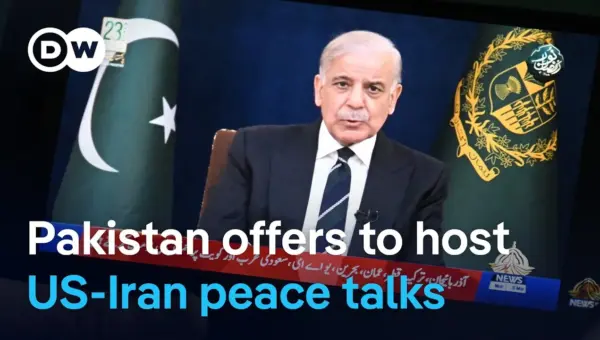
Pakistan's Prime Minister Shehbaz Sharif has offered to host peace talks between the U.S. and Iran to end the ongoing war in the Middle East. His proposal comes as diplomatic efforts face challenges, with Iran denying direct talks with U.S. officials. Analysts note the complexity of the situation and the critical need for dialogue.