Lawyer Fined $250 for Ignoring Court Orders in Immigrant Case
A DOJ lawyer received a $250 fine for missing multiple court deadlines in an immigrant detention case. The judge ordered the release of the detainee, but the lawyer failed to file required documents and return the person's identification. This incident highlights issues of lawyer accountability and potential systemic problems within immigration law.

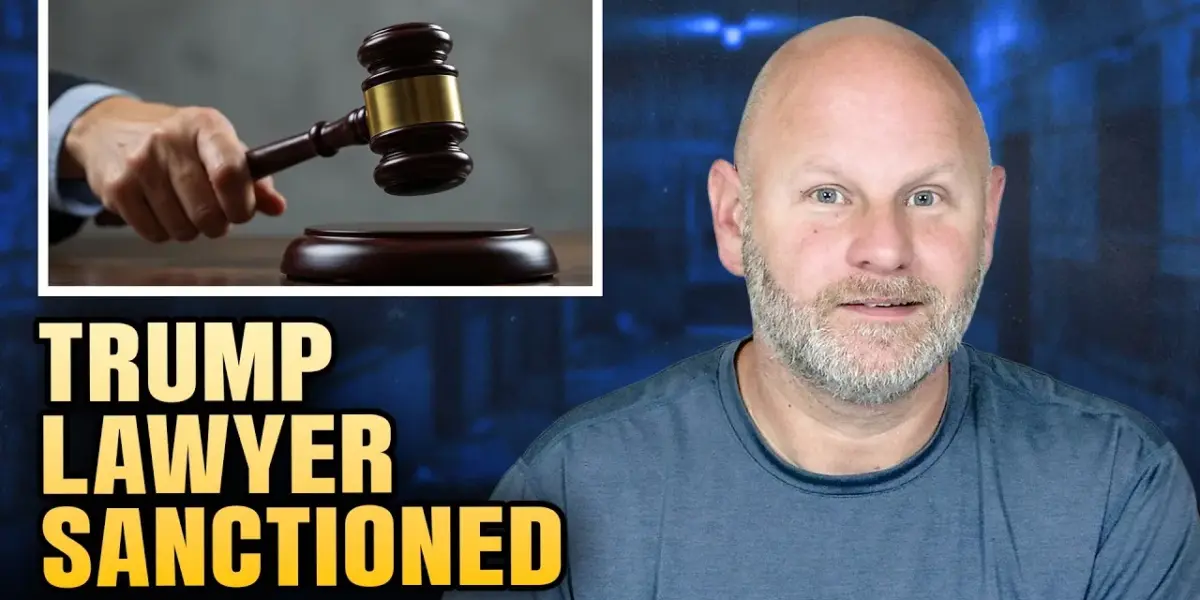
Lawyer Fined $250 for Ignoring Court Orders in Immigrant Case
A U.S. District Judge recently fined a Department of Justice (DOJ) attorney $250 for missing multiple court deadlines. This action came in a case involving an immigrant detained at the California City Correctional Center.
The judge, Troy Nunley, ordered the fine after the lawyer, identified as Jonathan U, failed to meet deadlines related to a habeas corpus petition. A habeas corpus petition is a legal action that asks a court to review if a person is being held legally.
The court had initially ordered the detainee’s immediate release on April 3rd. However, Jonathan U missed the deadline to file a required compliance notice by April 6th.
This failure to act led the judge to issue a show cause order. This order asked the lawyer to explain why he should not face penalties for missing the first deadline.
Remarkably, the lawyer also missed the deadline for responding to the show cause order. This meant he did not provide any reason for his initial delay.
The situation escalated further when the court ordered the return of the detainee’s passport and driver’s license, along with a status update by April 10th. This deadline was also missed, leaving the individual stranded without identification.
Accountability and Its Limits
While the $250 fine represents a form of accountability, some argue it is too small a penalty for repeated failures to follow court orders. The video transcript suggests that a larger fine, perhaps $25,000 or $2,500, might have been more appropriate. The argument is that missing a deadline to explain a missed deadline, and then missing further crucial deadlines, shows a significant lack of diligence.
The transcript highlights that repeated threats of sanctions or contempt against members of the administration have often not led to actual punishment. In this instance, Chief U.S. District Judge Troy Nunley did follow through with a financial penalty. Even a small fine means the lawyer must pay money he would otherwise have.
Broader Systemic Issues
The lawyer’s actions, while unprofessional, are presented in the transcript as potentially stemming from a larger problem. He was reportedly handling hundreds of cases related to immigration detention. The administration’s policies may be leading to an overwhelming caseload for DOJ attorneys.
This situation places lawyers in a difficult position, where missing deadlines becomes almost inevitable, regardless of their skill. The transcript suggests that the real issue might lie with the policies that lead to the detention of individuals who may not require it. The focus, therefore, could shift from individual lawyer error to systemic pressures within the immigration legal system.
Why This Matters
This case brings attention to the importance of timely legal processes, especially for individuals in detention. When deadlines are missed, it can directly impact a person’s freedom and well-being. The detainee was left stranded without his documents, highlighting the real-world consequences of legal system failures.
It also raises questions about accountability within government agencies. While individual lawyers must be held responsible for their professional conduct, the system that creates overwhelming workloads also deserves scrutiny. Ensuring that legal professionals have the resources and manageable caseloads is crucial for fair and efficient justice.
Implications and Future Outlook
The ruling is a reminder that judges have the power to impose penalties when court orders are not followed. It encourages lawyers to take deadlines seriously and to communicate proactively with the court when issues arise. This could lead to more diligent case management across the board.
However, the relatively small fine may not deter future instances of missed deadlines, especially if the underlying issues of understaffing and excessive caseloads persist. The long-term outlook depends on whether systemic reforms are considered alongside individual accountability measures. Addressing the root causes of attorney burnout and workload is essential for preventing similar situations.
Historical Context
The legal battles surrounding immigration and detention have a long history in the United States. Habeas corpus petitions have historically been a critical tool for challenging unlawful detention. Throughout different administrations, the volume and complexity of immigration cases have often strained the legal system.
Past instances have shown that when government agencies are overwhelmed, procedural errors can occur. These errors can have significant human consequences, leading to delays in justice and prolonged detentions. This case is a recent example within this ongoing narrative of legal challenges in immigration law.
The next steps for this specific case would involve the DOJ attorney fulfilling all outstanding court orders. This includes returning the detainee’s documents and filing any remaining required reports. The broader implications will unfold as other cases with similar issues are handled by the courts and the DOJ.
Source: Trump Lawyer SANCTIONED For Ignoring Court Orders (YouTube)

Related Articles

Ex-Trump Lawyer Leads Probe Into CIA’s John Brennan
Joseph DiGenova, a former Trump campaign lawyer, has been appointed to lead a Justice Department probe into former CIA Director John Brennan. This comes after a veteran prosecutor was removed from the case for reportedly finding insufficient evidence for charges. The appointment raises concerns about potential conflicts of interest and the impact on the intelligence community.

MAGA’s Mugshot Defense Crumples Under Scrutiny
Supporters of Donald Trump's defense against legal actions often falter, with arguments about his mugshot inadvertently admitting government politicization. The debate highlights contrasting claims about the Biden administration's use of the DOJ, questioning fairness and accountability.

DOJ Moves to Erase Jan. 6 Convictions, Critics Cry ‘Rewriting History’
The Justice Department is asking a federal appeals court to erase the convictions of 12 leaders from the Proud Boys and Oath Keepers involved in the January 6th Capitol attack. Critics argue this move by the DOJ is an attempt to rewrite history and undo the findings of juries and judges. If successful, these individuals would regain rights like firearm ownership, further sparking debate over accountability for the events of January 6th.