Trump’s Iran Standoff: A Risky Bet for Global Stability?
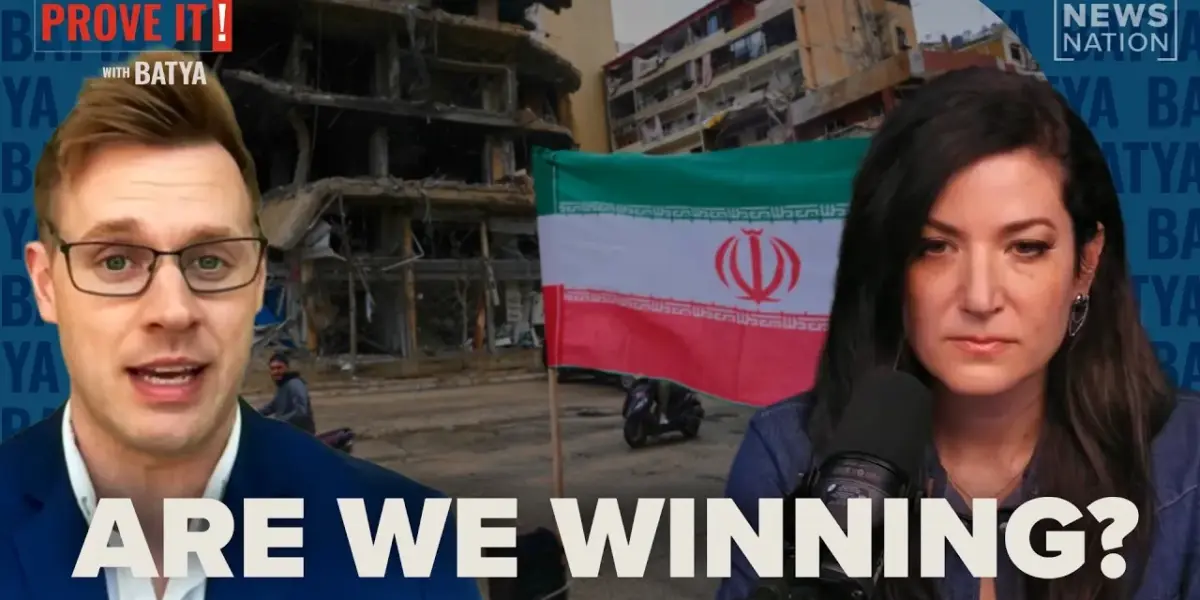
Libertarian journalist Robby Soave and host Batya debate President Trump's Iran strategy. Soave questions the long-term benefits versus the costs, while Batya highlights market confidence and strategic gains. The discussion covers military power, diplomatic goals, and the potential risks of nuclear proliferation.

Trump’s Iran Standoff: A Risky Bet for Global Stability?
The recent tensions with Iran have sparked a lively debate, pitting a “pro-deal” perspective against a more skeptical, “get-tough” approach. At the heart of the discussion is whether President Trump’s actions will lead to a more secure future or simply raise global stakes. This analysis explores the differing viewpoints on the conflict, its potential outcomes, and its place in broader foreign policy trends.
Military Might vs. Strategic Goals
From a purely military standpoint, the United States possesses superior power. It can disrupt Iran’s naval capabilities and hinder its nuclear ambitions.
However, the key question remains: what are the overall strategic goals, and can they be achieved? Libertarian journalist Robby Soave expresses doubt that the current actions will yield a situation meaningfully better than before.
“If you’re talking about who’s winning, in, you know, what are we going to achieve overall, I put myself in a, you know, not a absolutely for sure 100% dead set against, but I’m skeptical that we’re going to achieve something that is meaningfully better than the situation we had with respect to Iran in the first place.”
Soave points to the previous Iran deal, which President Trump exited, hoping for a better agreement. If the new deal is merely the same, he questions if the economic strain and loss of life were worth it. He suggests that unless a truly spectacular deal emerges soon, many Americans might feel the cost outweighed the benefit.
Defining a “Winning” Deal
What would constitute a successful outcome? Soave suggests a deal that permanently halts Iran’s nuclear enrichment would be a significant improvement over the Obama-era agreement, which had a time limit. Even more ideal would be a transformation of Iran’s government into a pro-Western democracy, though he acknowledges this is not the current objective.
He also notes the repeated need to address Iran’s nuclear capabilities, questioning if a strategy of periodic strikes is less escalatory than current actions like blockading shipping lanes. This raises concerns about the chosen path of greater escalation and the ultimate purpose behind it.
A Divided Public and Confident Markets
A poll revealed that 71% of viewers believe the U.S. is currently winning in Iran, contrasting with Soave’s skepticism. Batya, the show’s host, suggests this confidence stems from a belief in Trump’s strategy, particularly evident in market reactions. Despite the tensions, stock markets have reached historic highs, showing trust in Trump’s handling of the situation.
This trust is seen as coming from unlikely allies, including Gulf nations who understand the threat posed by China. The U.S. now controls key global oil choke points, influencing China’s energy supply. Batya argues that Trump’s willingness to confront these issues, even at a potential political cost like rising gas prices, demonstrates a conviction that reassures allies.
Libertarian Concerns and Constitutional Questions
Soave, while not dismissing the market’s confidence, remains focused on the long game. He agrees that the current administration is unlikely to pursue a “forever war” or deploy troops, recognizing the dangers of such escalation. However, he raises a significant concern: the lack of congressional approval for these actions.
From a constitutionalist and libertarian viewpoint, engaging in military operations without a clear congressional vote or a direct attack on the U.S. is problematic. He believes this is only possible because Congress often avoids its foreign policy responsibilities. Soave stresses the need for a time limit on any military involvement.
The Nuclear Threat and Deterrence Theory
The conversation digs into the existential threat of a nuclear-armed Iran. Batya argues that preventing Iran from acquiring nuclear weapons is a self-evident goal, ensuring future generations are not threatened by a nuclear terror state. She likens the desired outcome to preventing Iran from becoming another North Korea.
Soave counters that nuclear weapons often serve as a deterrent for regimes facing existential threats. He worries that aggressive actions could make Iran feel more desperate, increasing its resolve to pursue nuclear capabilities at all costs. While he agrees that Iran should not have nuclear weapons, he questions the acceptable cost of preventing it, noting that powerful nations like China already possess them without constant nuclear conflict.
Allies, Tariffs, and Shifting Alliances
The role of allies, particularly in Europe, comes under scrutiny. Soave and Batya express frustration with European nations for not contributing more to shared security, especially in the face of threats like those from Iran. They criticize what they see as a reliance on U.S. protection without reciprocal support.
The discussion also touches on trade policy, with Batya defending Trump’s use of tariffs. She argues they are a necessary response to decades of unfair trade practices by other nations, protecting American industries. Soave, while not a staunch opponent of tariffs, acknowledges the potential for them to strain international relations.
Why This Matters
This debate highlights a fundamental tension in foreign policy: the balance between projecting military strength and achieving sustainable diplomatic solutions. The differing perspectives on the Iran standoff reflect broader ideological divides regarding America’s role in the world, the use of economic pressure, and the constitutional limits of presidential power. The outcome of this situation could significantly impact global energy markets, regional stability, and the future of international alliances.
Future Outlook
The situation remains fluid, with ongoing diplomatic efforts and potential for further escalation. The long-term success of President Trump’s strategy will depend on Iran’s response, the unity of international allies, and the continued support of the American public. The upcoming months will be critical in determining whether this approach leads to a more stable Middle East or a more dangerous confrontation.
A key date to watch will be any future announcements regarding a revised nuclear deal or further actions taken in the Strait of Hormuz.
Source: Live Debate: Iran War Perspective with Libertarian Journalist Robby Soave | Prove It with Batya (YouTube)

Related Articles
US Navy Blasts Iranian Ship Near Hormuz
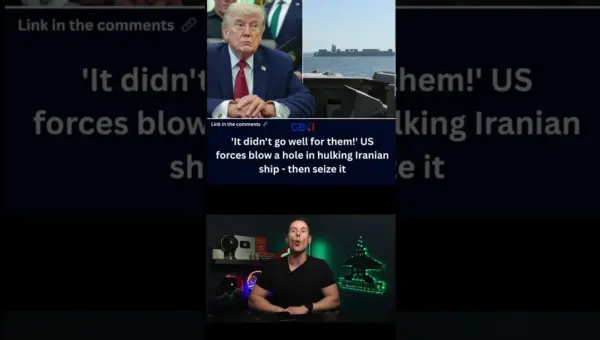
U.S. naval forces seized the Iranian cargo ship Motor Vessel Touska near the Strait of Hormuz after a six-hour standoff. The USS Spruance disabled the ship with gunfire, and Marines from the 31st MEU took custody. This action escalates regional maritime tensions as a ceasefire deadline nears.
Trump Won’t Rush Iran Deal, May End Ceasefire
President Trump stated he is in no rush to finalize a deal with Iran and is unlikely to extend the current ceasefire. Experts suggest this signals desperation, while conflicting messages from the administration add to the uncertainty surrounding the ongoing negotiations.
Rep. Smith: Trump Misrepresents Iran Talks, Escalation Risks
Congressman Adam Smith expressed significant concerns regarding the accuracy of President Trump's statements about U.S. negotiations with Iran. Smith stated that the talks are far from resolved and that Iran's demands remain vastly different from U.S. objectives. He also warned that escalating actions and threats against civilian infrastructure could be considered war crimes and harm U.S. credibility.