NFTs Crash: Digital Art Bubble Bursts Spectacularly
The Non-Fungible Token (NFT) market experienced a dramatic boom and bust cycle, with digital art selling for millions in 2021 before collapsing spectacularly. Fueled by speculation and celebrity endorsements, the bubble burst, leaving many investors with significant losses. While the hype has faded, the underlying technology's potential for real-world asset tokenization remains.

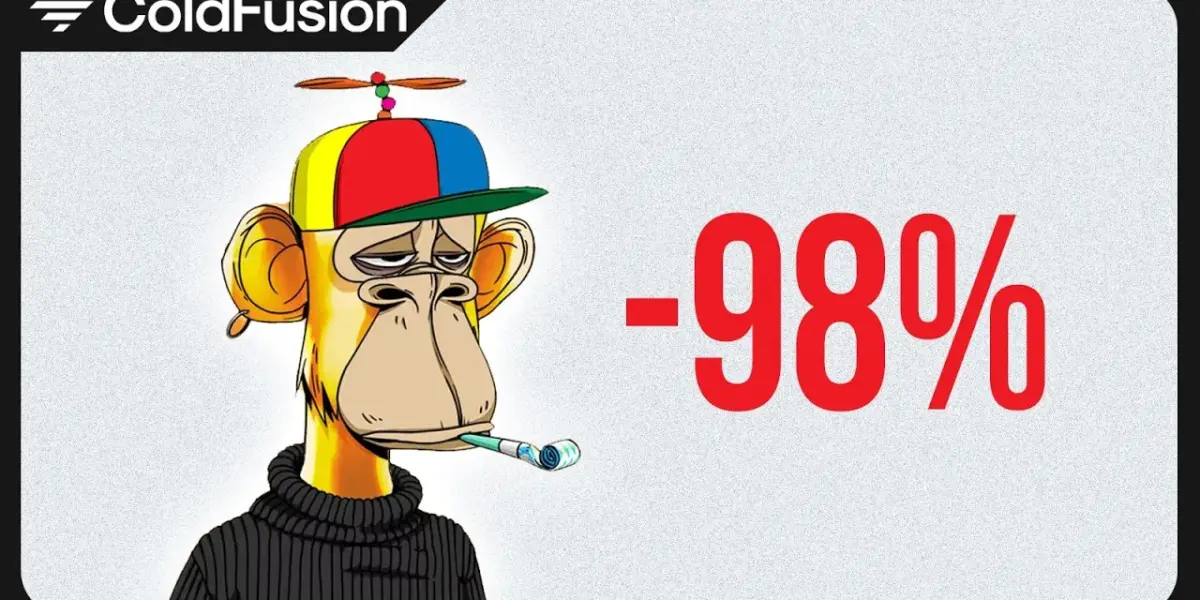
NFTs Crash: Digital Art Bubble Bursts Spectacularly
In early 2021, the art world and the internet were captivated by a new phenomenon: Non-Fungible Tokens, or NFTs. These digital certificates of ownership, recorded on a blockchain, promised to revolutionize digital art ownership.
However, what followed was a dizzying rise in value, fueled by celebrity endorsements and speculative frenzy, culminating in a spectacular crash that wiped out billions. The story of NFTs is a vivid lesson in human psychology, market fundamentals, and the dangers of unchecked hype.
The NFT craze reached its peak in March 2021 when Christie’s, a renowned auction house, sold a digital image by artist Beeple for a staggering $69.3 million. Around the same time, the first-ever tweet from Twitter founder Jack Dorsey sold for $2.9 million. These sales, along with many others, signaled a seismic shift in how digital assets could be valued and traded, attracting major celebrities, brands, and investors.
The Genesis of NFTs
The concept of NFTs emerged from a desire to empower digital artists. In 2014, artist Kevin McCoy and entrepreneur Anil Dash envisioned a way for artists to control and profit from their digital creations.
Unlike physical art, digital files are easily copied, making it difficult for artists to establish unique ownership. NFTs offered a technological solution, acting as a digital deed to a digital asset.
An NFT is essentially a unique digital record on a blockchain that proves ownership of an asset, whether it’s an image, a video, or even a virtual item. Think of it like owning the deed to a house; anyone can see the house, but only one person legally owns it. This concept allowed digital art to be treated as a one-of-a-kind item, similar to a physical painting.
A Meteoric Rise
Between 2018 and 2021, the NFT market experienced explosive growth. Trading volume surged from $82 million in 2020 to an estimated $17.6 billion by the end of 2021, a more than 21,000% increase.
Artists found new avenues for income, with some selling entire collections for hundreds of thousands of dollars. A key feature was the ability for artists to earn royalties on secondary sales, significantly increasing their long-term earnings.
The hype intensified as celebrities like Paris Hilton, Snoop Dogg, and Jimmy Fallon entered the space, promoting NFTs to their vast audiences. Projects like the Bored Ape Yacht Club, launched in April 2021, sold 10,000 algorithmically generated cartoon apes for high prices. These NFTs became status symbols, granting owners access to exclusive communities, events, and a sense of belonging to an elite digital club.
The Bubble Bursts
Despite the initial excitement, the NFT market was built on shaky foundations. Many critics questioned the true value of owning a digital receipt for an image that could be easily copied.
The buyer of the Beeple NFT, who used the pseudonym Metakovan, even admitted it was a bubble. Wash trading, where individuals artificially inflate an asset’s price by repeatedly buying and selling it to themselves, was rampant on many platforms, making market data highly unreliable.
By May 2022, the bubble began to deflate rapidly. Daily NFT sales dropped by 92% from their peak, and the number of active users plummeted. The value of once-coveted NFTs collapsed dramatically.
The Beeple JPEG, sold for $69 million, was later reportedly worth around $2,300, a loss of over 99%. Similarly, the Jack Dorsey tweet NFT, which sold for $2.9 million, was valued at just $280. Many NFT projects failed, with a 2024 report indicating that 96% of NFT projects were effectively defunct.
The Aftermath and Lasting Impact
The collapse led to significant consequences. Auction houses like Christie’s and Sotheby’s shut down their NFT departments.
NFT marketplaces, including Nifty Gateway, closed their doors. Several high-profile lawsuits were filed against celebrities and brands for allegedly misleading buyers about the value and potential of their NFT projects, with companies like Nike facing legal action over their virtual sneaker NFTs.
While the speculative frenzy has largely subsided, some believe the underlying blockchain technology still holds potential. The focus has shifted towards tokenizing real-world assets like property and commodities, a market that had crossed $30 billion by Q3 2025 with institutional involvement.
Web3 gaming also explores NFTs for in-game utility. The NFT boom is a potent reminder of how human greed and herd mentality can inflate speculative bubbles, even when the underlying technology might have legitimate future applications.
Source: The Rise and Fall of NFTs (YouTube)

Related Articles


Stocks Hit Record Highs Amid Geopolitical Fears
Stock markets are reaching record highs, but low trading volumes and geopolitical tensions in the Middle East are raising concerns. Meanwhile, the crypto space faces risks from major hacks and DeFi protocol vulnerabilities, prompting caution among investors and traders.

US Debt Crisis Fuels Bitcoin’s Million-Dollar Forecast
With U.S. national debt soaring and $10 trillion set to mature soon, experts predict increased money printing. This could devalue the dollar, driving investors to assets like Bitcoin, which some analysts forecast could reach $1 million by 2030 as a hedge against inflation.


Most Crypto Traders Lose Money: Skills & Patience Win
The cryptocurrency market is challenging, with most traders losing money due to a "get-rich-quick" mindset. Long-term Bitcoin holders and those who develop specialized skills, such as trading or on-chain analysis, have the highest probability of success. Patience and continuous learning are crucial for navigating the crypto space effectively.