Retirement’s Shadow: 47% Face Loneliness, Study Finds
A new study reveals that while 67% of retirees are happier, 47% of those who aren't happier cite loneliness as a major reason. The findings highlight the critical role of social connections, often provided by the workplace, in overall well-being during retirement.


Retirement’s Shadow: 47% Face Loneliness, Study Finds
While a significant majority of retirees report increased happiness after leaving the workforce, a surprising number are grappling with isolation. A recent study reveals that 67% of individuals in retirement feel happier on a daily basis compared to when they were employed. This statistic paints a positive picture for most, but it highlights a substantial group for whom retirement has not brought the expected joy.
Digging deeper into the survey results shows a stark reality for nearly half of those not experiencing post-work happiness. A concerning 47% of retirees who stated they are not happier in retirement pointed to loneliness as the primary reason.
These individuals miss the constant social interaction and structured environment that their jobs provided. When that daily connection to colleagues disappears, the absence of a social support system can lead to feelings of isolation.
The Social Fabric of Work
For many, the workplace serves as more than just a place to earn a living; it is a central hub for social connections. The daily chatter, team lunches, and shared projects create a sense of belonging and community. Losing this established social structure can be a significant blow, especially for those whose work life was deeply intertwined with their personal social life.
Research consistently shows that strong relationships are a key driver of overall happiness and well-being. This is true across all age groups, but the transition to retirement can amplify the need for these connections. Without the automatic social engagement that work provides, retirees must actively seek out and cultivate new relationships to maintain their social well-being.
Preparing for a Connected Retirement
Experts suggest that proactive planning can help mitigate the risk of loneliness in retirement. Individuals who recognize that their work serves as their primary social outlet should begin making efforts to build new connections now.
This preparation can involve joining clubs, volunteering, or pursuing hobbies that involve group activities. Creating a robust social life before retirement can help ensure a smoother and happier transition.
The findings highlight the importance of viewing retirement not just as a financial milestone, but also as a social one. Building a fulfilling retirement requires attention to both financial security and social engagement. Those who fail to plan for the social aspects may find themselves among the unhappy retirees struggling with loneliness.
What Investors Should Know
The study’s findings offer a crucial perspective for individuals planning their retirement. While financial planning often takes center stage, the social and emotional aspects are equally vital for a successful transition. Understanding that work provides a significant social structure for many can prompt individuals to build a more diverse social network before they retire.
This means actively participating in community groups, nurturing friendships outside of work, and exploring new social avenues. For those nearing retirement, it is advisable to assess their current social connections and identify areas for growth. This foresight can help prevent the potential downsides of isolation and ensure a more contented retirement experience.
The upcoming months will likely see continued discussion on holistic retirement planning. As more data emerges, the focus on social well-being as a key component of a happy retirement is expected to grow. This broader understanding can help individuals and financial advisors create more comprehensive retirement strategies.
Source: The Hidden Downside of Retirement No One Talks About (YouTube)

Related Articles


Borrow Against Bitcoin, Don’t Sell: Unlock Value
Many crypto investors leave valuable assets earning nothing, missing potential returns and facing tax issues when selling. Borrowing against Bitcoin offers liquidity without selling, akin to real estate strategies. Understanding risks like custody and liquidation is crucial before using such tools.


Millionaire Faces $2M Tax Bill on $4M Profit
A $4 million profit can result in a staggering $2 million tax bill, highlighting the critical need for proactive tax planning. Experts advise setting aside 25-30% of earnings for taxes to avoid financial distress. Consulting a tax professional is essential for navigating complex tax obligations.

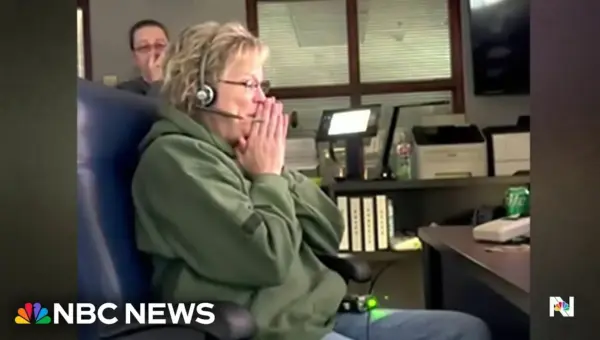
911 Dispatcher’s Surprise Retirement Call Moves Millions
After 30 years of answering 911 calls, North Carolina dispatcher Hallie Franklin received a surprise retirement send-off. Her final calls came from loved ones, expressing gratitude for her service. The emotional moment has since gone viral, touching hearts nationwide.