FBI Chief Sues Publisher Over Drunkenness Claims
FBI Director Cash Patel is suing The Atlantic for $250 million, denying claims of alcoholism and job neglect. The magazine's report cited numerous sources detailing alleged drinking issues affecting his work. Patel calls the story false and damaging, while critics see the lawsuit as a tactic to intimidate the press.

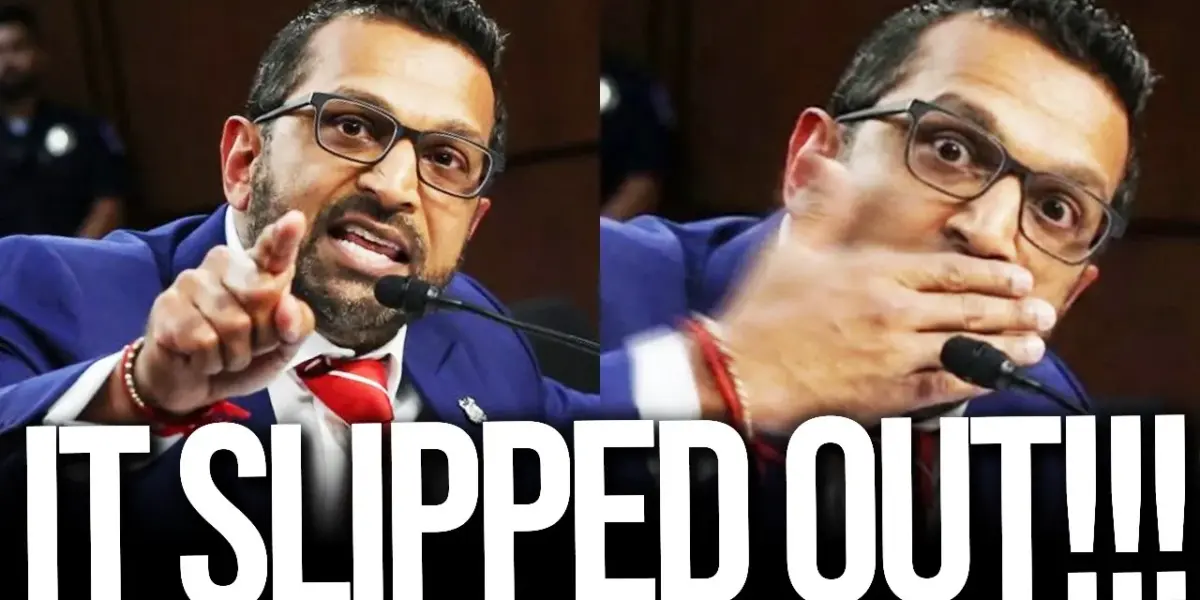
FBI Chief Sues Publisher Over Drunkenness Claims
FBI Director Cash Patel is suing The Atlantic magazine for $250 million. The magazine published a story claiming Patel is an alcoholic who neglects his duties. Patel denies these accusations and calls the article false and damaging.
The Atlantic’s report, based on dozens of sources, suggests Patel has struggled with alcohol. It details instances where his alleged drinking affected his work.
One specific event mentioned involved Patel being unreachable at his hotel while overseas for an FBI-related trip. Reports suggest agents almost had to force entry into his room, believing he might be in danger.
Patel claims The Atlantic published the story with “actual malice,” meaning they knew it was false or acted with reckless disregard for the truth. He argues the allegations are “categorically false.” His lawsuit aims to clear his name and seek damages for the harm caused by the publication.
Patel’s Defense and Counterclaims
In his 19-page civil complaint, Patel states he was warned the main claims were untrue before the article was published. He believes The Atlantic ignored this warning. The lawsuit paints a picture of Patel as a dedicated leader who has achieved “historic law enforcement results” under his tenure.
The complaint also highlights specific claims from The Atlantic article that Patel disputes. These include allegations that he drinks to the point of intoxication at private clubs like Neds in Washington D.C.
And the Poodle Room in Las Vegas. The article also claims meetings have been rescheduled and security details have had trouble waking him due to drinking.
Patel’s legal team asserts that the article contains numerous false and defamatory statements. They argue the publication was a deliberate attempt to harm his reputation. The lawsuit seeks compensation, special, or punitive damages totaling at least $250 million.
Echoes of Past Lawsuits
This legal action by Patel is similar to lawsuits filed by Donald Trump. Trump has a history of suing news organizations and individuals who publish critical stories about him. He has filed multi-billion dollar lawsuits against entities like The New York Times and Rupert Murdoch’s companies.
Critics suggest this lawsuit is part of a pattern to intimidate the press and suppress critical reporting. They argue that filing large lawsuits is a tactic to distract from the underlying accusations. This approach, they say, aims to silence critics and control the narrative.
However, Patel’s supporters view the lawsuit as a necessary step to defend his honor against baseless claims. They believe the media has unfairly targeted him. The legal battle is expected to involve a discovery phase, where evidence from both sides will be presented.
Why This Matters
This case touches on important issues of press freedom and the right to a fair reputation. It questions how public figures respond to critical reporting and the legal tools they employ. The outcome could influence how similar disputes between public officials and media outlets are handled in the future.
The lawsuit also raises questions about accountability within high-level government positions. If the allegations are true, they suggest a serious lapse in judgment and leadership. If they are false, the lawsuit is about defending against defamation.
The public’s trust in institutions like the FBI is also at stake. Reports of internal disarray or leadership issues can erode confidence. This makes understanding the facts behind such claims crucial for maintaining that trust.
Looking Ahead
The legal proceedings are likely to be lengthy and complex. The discovery process will involve gathering evidence, interviewing witnesses, and examining records. This could bring more details about Patel’s alleged behavior and The Atlantic’s reporting methods to light.
The effectiveness of such lawsuits as a defense strategy remains to be seen. Past legal challenges by public figures against media organizations have had mixed results. Some lawsuits are dismissed, while others proceed to trial.
As this case unfolds, it will be important to follow the legal process closely. The court’s decision will be based on the evidence presented by both Patel and The Atlantic. The public will be watching to see how this legal battle plays out in the coming months.
Source: Kash Patel Accidentally LEAKS TRUTH in PANIC! (YouTube)

Related Articles

Kash Patel Sues The Atlantic Over Drinking Report
FBI Director Kash Patel has sued The Atlantic magazine for defamation over a report alleging excessive drinking and poor leadership. The Atlantic stands by its reporting, while legal experts suggest the lawsuit could lead to the public release of internal FBI concerns and communications through the discovery process.


Trump’s Allies Face Scandals as World Leaders Rethink Ties
Allegations of foreign interference and scandals surrounding Donald Trump's allies, like Cash Patel, are raising serious questions. The article explores criticisms of U.S. foreign policy, particularly concerning Russia and Israel, and calls for greater accountability in leadership.

Kash Patel Denies Report, Vows Lawsuit and Promises 2020 Election Arrests
FBI Director Kash Patel is denying a report detailing allegations of drinking and erratic behavior, vowing to sue The Atlantic for defamation. In a separate interview, Patel promised upcoming arrests related to the 2020 election, claims that have been widely disputed by courts and former Justice Department officials.