Israel-Hezbollah Ceasefire Holds Amid Hopes for Broader Diplomacy
A fragile ceasefire between Israel and Hezbollah has taken hold, allowing some displaced Lebanese civilians to return home. Experts view the truce as a critical step in wider U.S.-Iran diplomatic efforts, with hopes that progress between the two powers could lead to lasting peace in the region.

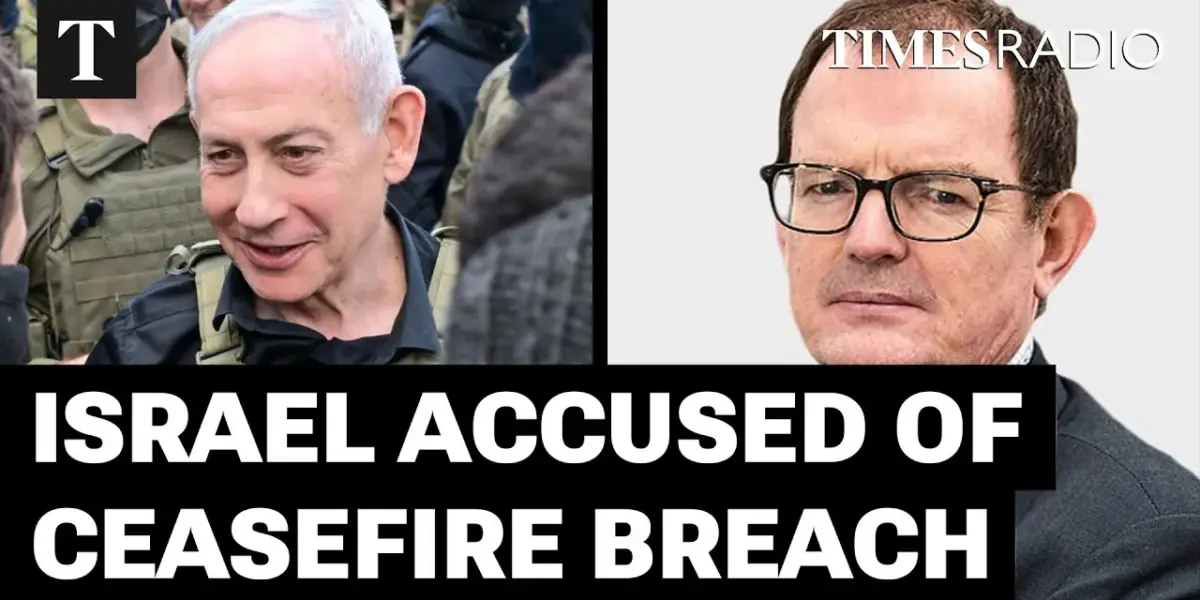
A fragile ceasefire between Israel and Hezbollah began late last night, offering a brief respite to war-torn Lebanon. Despite initial reports of breaches, officials express cautious optimism that the truce will hold, allowing displaced civilians to return to their homes. The agreement, however, is seen by experts as a crucial step in wider diplomatic efforts involving the United States and Iran.
Ceasefire Takes Hold, Civilians Return Home
The ceasefire, which started at 10:00 PM UK time, has brought an end to intense fighting in southern Lebanon. Richard Spencer, The Times correspondent in Tel Aviv, reported that while some shelling continued from the Israeli side as ground battles with Hezbollah raged until the last moment, the truce is expected to proceed.
There was some unhappiness among Israeli forces who were trying to seize the Lebanese town of Bing Jabel from Hezbollah as the ceasefire was announced. However, residents are now reportedly heading back to their villages and towns, many of which have been emptied by the conflict.
Celebrations have been reported among the civilian population, with many eager to return to their homes. Yet, trust remains a scarce commodity in the region. People in Lebanon are living with a sense of uncertainty, focusing on immediate relief rather than long-term solutions.
The chance to return home, even for a short period, and find their homes still standing is seen as a cause for celebration. The future remains unclear, with many unanswered questions about the ceasefire’s longevity and the potential for a lasting peace deal.
Broader Diplomatic Maneuvers Behind the Ceasefire
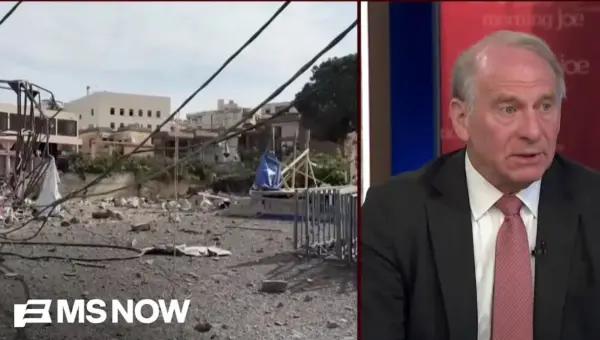
Middle East expert Faz A. Discusses the wider implications of the ceasefire, suggesting it is more a reflection of progress between the United States and Iran than a standalone agreement.
He believes that both Washington and Tehran feared the conflict in Lebanon could derail their own diplomatic talks. This suggests a potential diplomatic breakthrough could be on the horizon in the coming days, signaled by President Trump’s invitation to the Lebanese president and Israeli prime minister for talks at the White House.
A highlights the delicate nature of the current situation, noting that Israel occupies about eight miles of Lebanese territory. The success of the ceasefire, he argues, hinges on the pressure President Trump can exert on Israeli Prime Minister Benjamin Netanyahu to not only observe the truce but also to begin withdrawing from Lebanese territory in the coming weeks and months. The 10-day ceasefire period is seen as a very short window to address complex issues.
Deep-Rooted Issues and Hezbollah’s Role
The conflict between Israel and Lebanon has deep historical roots, dating back to Israel’s invasion in 1982. This means the current ceasefire is not just about recent hostilities but involves complex, long-standing security and border control issues. A key challenge is determining what to do with Hezbollah’s arsenal and whether both the Lebanese and Israeli governments can engage in genuine diplomatic processes to secure a lasting peace.
Hezbollah has stated it will honor the terms of the ceasefire, a move experts attribute to significant pressure from Iran. Iran has played a critical role in convincing the United States to pressure Israel, making it clear that progress in U.S.-Iran relations is contingent on a ceasefire in Lebanon.
Given Hezbollah’s strong ties to Iran, Tehran’s influence is seen as a decisive factor in securing Hezbollah’s compliance. However, Hezbollah has also made it clear that Israel must cease fire first for them to honor their side of the agreement.
Fragile Peace, Intertwined Fates
The terms of the current agreement are described as very fragile, with a single trigger potentially reigniting hostilities. This moment of relief for the people of Lebanon and Israeli border settlements is seen as temporary. There is still a great deal of work to be done to ensure the ceasefire is solid and long-term, rather than a short-term pause.
The optimism for a broader peace hinges on the diplomatic path between the United States and Iran. If a breakthrough is achieved on that front, it could lead to significant progress in the Israeli-Lebanese conflict.
The two issues are closely linked, and progress in one could positively influence the other. However, the process is acknowledged as complex and lengthy, with historical grievances dating back decades.
Source: Israel Unhappy With Speed Of Ceasefire Amid Territorial Battle With Hezbollah | Richard Spencer (YouTube)

Related Articles

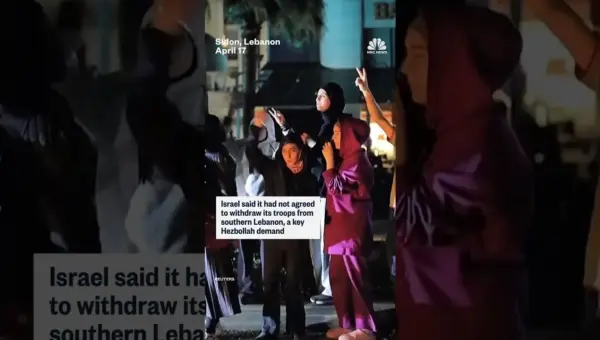
Lebanon Celebrates Ceasefire, But Future Remains Uncertain
Crowds filled the streets of Lebanon in celebration following the announcement of a ceasefire. After days of intense fighting, the agreement brings a wave of relief, though residents express cautious optimism for lasting peace. International efforts are now focused on ensuring the ceasefire holds and addressing the conflict's root causes.
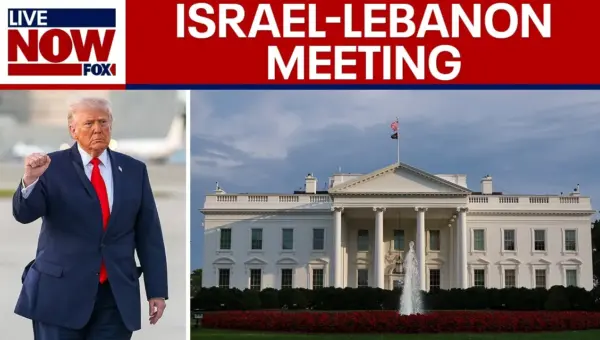
Trump Brokers Israel-Lebanon Ceasefire, Eyes White House Summit
President Trump has announced a 10-day ceasefire between Lebanon and Israel, inviting their leaders to the White House for potential peace talks. The truce faces challenges from Hezbollah's demands and Israel's continued occupation of some areas. Diplomatic efforts with Iran also continue, focusing on nuclear non-proliferation.

US Eyes Iran Deal Amidst Shifting Diplomacy and Key Variables
The White House is expressing optimism about reaching a deal with Iran to end the war, with mediators working behind the scenes. Key developments include a potential ceasefire agreement between Israel and Lebanon, though Hezbollah's exclusion is noted. Economic pressure through a blockade is seen as a significant factor, but major variables like President Trump and regional leaders introduce uncertainty.