Iran Rejects US Ceasefire, Defies Strait of Hormuz Reopening Demand
Iran has rejected the US ceasefire proposal and defied demands to reopen the Strait of Hormuz. Analysts warn of significant global economic impacts if the vital oil shipping lane is disrupted. The situation remains tense as a US deadline for reopening the strait approaches.

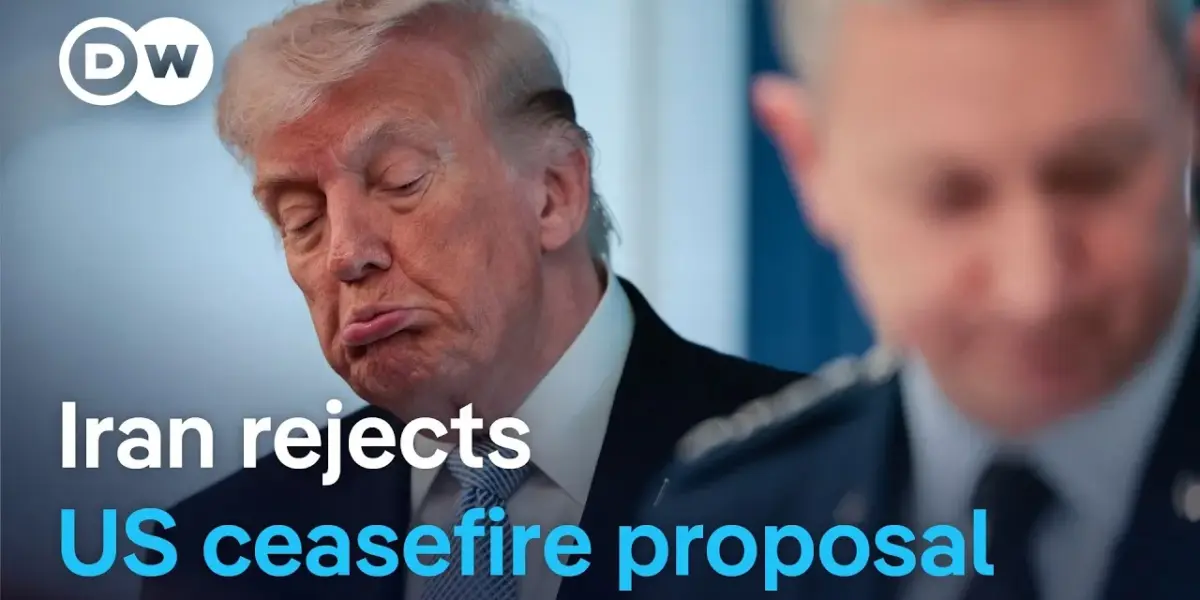
Iran Rejects US Ceasefire, Defies Strait of Hormuz Reopening Demand
Iran has rejected the latest ceasefire proposal from the United States, stating that the ongoing conflict must end permanently. This decision comes as President Trump’s deadline for Tehran to reopen the crucial Strait of Hormuz approaches. The US has warned of potential actions against Iran’s power plants and other vital infrastructure if the demand is not met.
The standoff escalates tensions in the Middle East, a region already grappling with instability. The Strait of Hormuz is a vital waterway for global oil transport, and its closure could have significant economic consequences worldwide. Iran’s firm stance signals a continued defiance of US pressure.
Analysts Weigh In on the Standoff
Middle East analysts have been closely observing the developments. Gordon Robison, a Middle East analyst, provided insights into the situation. He explained that Iran’s refusal stems from a desire for a complete cessation of hostilities, not a temporary pause.
Hussein Banai, another Middle East analyst, further elaborated on Iran’s position. He suggested that Iran views the US demands as part of a broader strategy to exert control over the region. Banai highlighted that Iran’s leadership is unlikely to back down easily, especially under direct threat.
Economic Implications of Strait Closure
Sandra Navidi, an economic consultant with Beyond Global, discussed the potential economic fallout. She explained that the Strait of Hormuz is a critical chokepoint for oil shipments. About 20% of the world’s oil passes through this narrow waterway every day.
Navidi warned that any disruption to shipping in the Strait could cause oil prices to skyrocket. This would impact economies globally, leading to higher costs for consumers and businesses. The threat of closure creates significant uncertainty in international energy markets.
Iran’s Strategic Position
Iran views the Strait of Hormuz as a strategic asset, crucial for its own defense and influence in the Persian Gulf. The country has previously threatened to close the Strait if its interests are threatened.
Analysts believe Iran is using the threat of closing the Strait as a bargaining chip. It aims to gain concessions from the US and its allies. The country’s leadership is likely calculating the potential risks and rewards of such a move.
US Response and Potential Escalation
The United States has maintained a strong stance, demanding the immediate reopening of the Strait. President Trump’s administration has indicated readiness to take further action if Iran does not comply.
The specific targets mentioned, such as power plants, suggest a strategy aimed at disrupting Iran’s infrastructure. This could lead to a significant escalation of conflict. The coming days will be critical in determining the next steps.
Looking Ahead
The world watches closely as the deadline approaches. Iran’s firm rejection of the US ceasefire plan and its defiance regarding the Strait of Hormuz set the stage for further confrontation. The economic and geopolitical consequences of any escalation could be far-reaching.
The next steps will likely involve further diplomatic maneuvering or potential military actions. All eyes are on the Strait of Hormuz and the decisions made in Washington and Tehran.
Source: Iran rejects immediate reopening of Strait of Hormuz | DW News (YouTube)

Related Articles
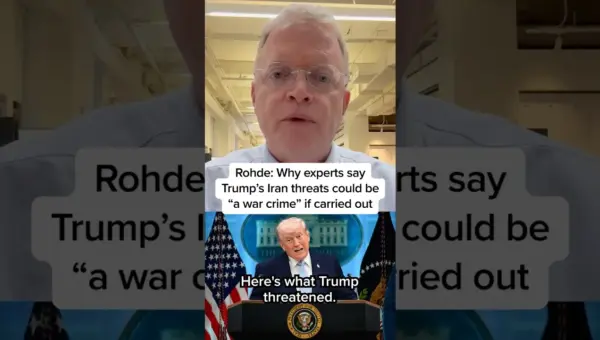
Trump’s Iran Threats Could Be War Crimes, Experts Warn
Legal experts warn that former President Donald Trump's threats to destroy Iranian bridges and power plants could constitute war crimes if carried out. Such actions would violate international laws designed to protect civilians and limit wartime destruction. The potential impact on Iran's civilian population and the U.S.'s global standing are significant concerns.
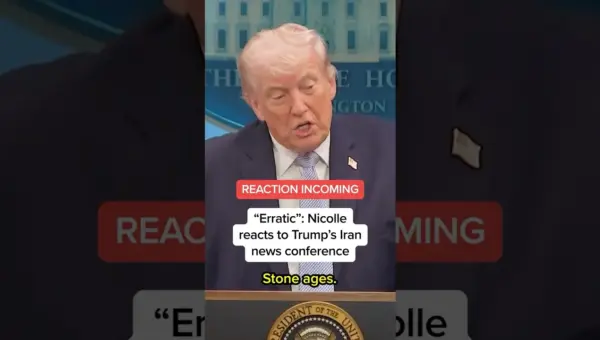
Wallace Slams Trump’s ‘Erratic’ Iran War Conference
Nicolle Wallace has strongly criticized former President Donald Trump's recent press conference on Iran, labeling his remarks as "erratic." Trump reiterated his threats to target Iranian power plants, a statement Wallace found alarming due to its potential to escalate tensions. The analysis highlights concerns about Trump's foreign policy style and its impact on international relations.
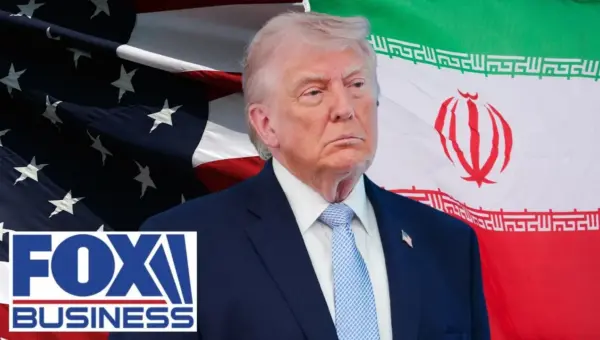
Trump’s Iran Deadline Looms: Is the US President Bluffing?
President Trump has issued a stern deadline to Iran, warning of severe consequences if demands aren't met. Analyst Zineb Riboua believes the President is serious and not bluffing, citing Iran's strategic miscalculations and overestimation of its own capabilities. The Strait of Hormuz remains a key flashpoint with potential global market impacts.