Europe’s Flights Grounded? Fuel Crisis Looms
A looming jet fuel shortage threatens to disrupt European air travel this summer. Geopolitical conflicts are impacting oil supplies, leading to rising costs and potential flight cancellations. Travelers should prepare for higher fares and carefully review travel insurance policies.

Europe’s Flights Grounded? Fuel Crisis Looms
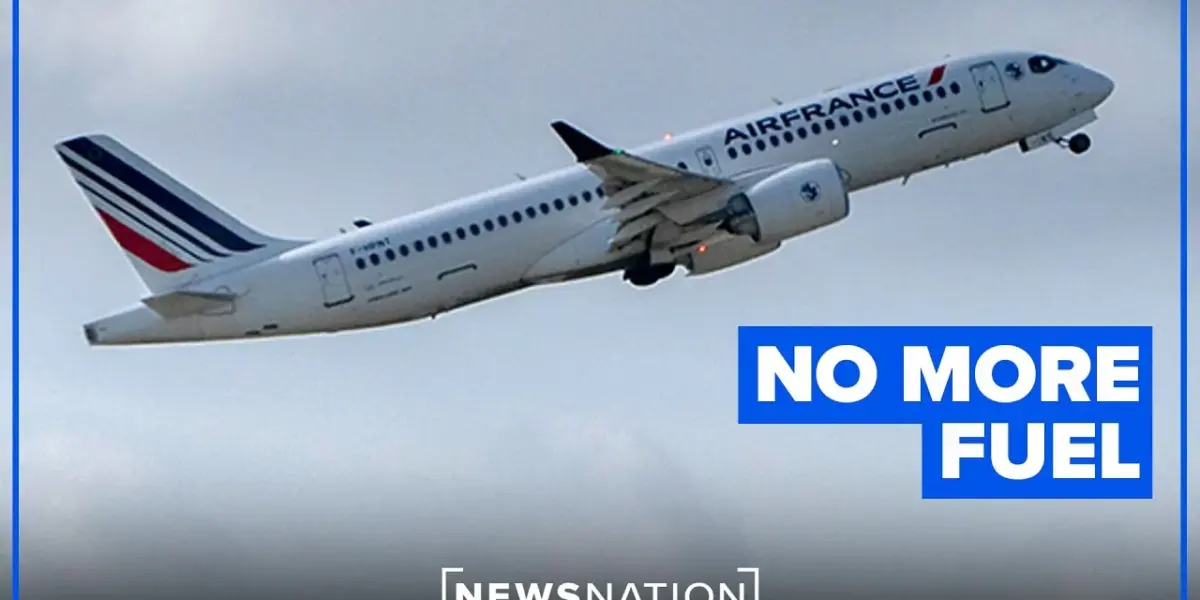
The summer travel season is about to begin, but a looming jet fuel shortage could bring European airlines to a halt. A major international conflict is disrupting oil supplies, leading to higher gas prices worldwide. This crisis could mean trouble for travelers hoping to take to the skies soon.
Energy analysts are issuing serious warnings. If the conflict continues and a key shipping route remains closed, airlines could be forced to cut flights. This comes at the worst possible time, right as summer travel is set to peak.
The Strait of Hormuz: A Critical Chokepoint
The Strait of Hormuz is a vital waterway. About 20% of the world’s oil supply passes through it.
For European airlines, the situation is particularly dire. They rely heavily on the Middle East for jet fuel, with 75% of their supply coming from the region.
Unfortunately, much of this fuel travels through the Strait of Hormuz. For the past six weeks, European airlines have struggled to get any fuel shipments. This has led to fears that they could run out of jet fuel within weeks, potentially by the end of May.
US Airlines and the Ripple Effect
While US airlines are not currently facing the same direct shortage, experts believe they could be next. The global impact of this oil disruption is huge. It affects everything from cars to airplanes, making it vital for the world’s economy and transportation systems.
This situation is already affecting airfares for travelers at home. Prices are going up, and some airlines are adding fuel surcharges. This means booking a flight will likely cost more in the coming weeks.
Spirit Airlines Faces a Stark Choice
The impact is being felt by individual airlines too. Spirit Airlines, an American carrier trying to recover from bankruptcy, might have to close its doors for good. Reports suggest the airline could face millions more in fuel costs than it has in cash.
Analysts point out that ultra-low-cost carriers like Spirit have limited options. They can only raise ticket prices so much to cover rising jet fuel costs. This makes them especially vulnerable during such a crisis.
Travel Insurance: Read the Fine Print
Many travelers hearing this news might consider buying travel insurance. However, experts caution that most policies do not cover cancellations or disruptions caused by war. It is crucial to read the details of any travel insurance plan very carefully.
If you plan to travel in the next few weeks, check your policy to see if war-related issues are covered. Understanding the fine print could save you a lot of trouble and money if your flight plans are disrupted.
Why This Matters
This potential jet fuel shortage highlights how interconnected global events are. A conflict thousands of miles away can directly impact your ability to travel and the cost of your flights. It shows the fragility of global supply chains and the significant role energy security plays in everyday life.
The situation also raises questions about airline business models, especially for low-cost carriers. They operate on thin margins and are highly sensitive to fuel price fluctuations. This crisis could force a rethink of how these airlines manage costs and plan for unexpected disruptions.
Implications, Trends, and Future Outlook
The current crisis could lead to more frequent flight cancellations and route reductions in Europe. This might make air travel more expensive and less reliable for a period. It could also push travelers to consider alternative transport options where possible.
Looking ahead, airlines may seek to diversify their fuel sources or secure longer-term contracts to mitigate future risks. There could also be increased pressure on governments to ensure the stability of global energy markets and shipping lanes.
Historical Context
Disruptions to oil supplies are not new. Throughout history, geopolitical events have often impacted oil prices and availability. Events like the oil crises of the 1970s showed how sensitive the global economy is to oil supply shocks.
These past events led to changes in energy policy, increased focus on fuel efficiency, and the search for alternative energy sources. The current jet fuel crisis is another reminder of these ongoing challenges.
The Path Forward
As the summer travel season begins, travelers should stay informed about potential flight disruptions. Airlines will likely provide updates on their websites regarding schedule changes or cancellations.
The situation remains fluid, and airlines are working to secure fuel supplies. Travelers should monitor news and airline communications closely as the situation develops.
Source: European airlines running out of jet fuel (YouTube)

Related Articles


Middle East Ceasefire Holds Amid Tensions; US Faces Weather Extremes
A fragile ceasefire between Israel and Lebanon has taken effect after intense fighting, while the U.S. grapples with extreme weather, from Midwest floods to East Coast heatwaves. Meanwhile, former Virginia Lieutenant Governor Justin Fairfax is dead in an apparent murder-suicide, and Spirit Airlines faces potential liquidation.

Europe Faces Jet Fuel Shortage Risk This Summer
Europe faces a potential jet fuel shortage this summer, with experts warning of as little as six weeks of reserves if the Strait of Hormuz remains blocked. The crisis could lead to flight cancellations, reduced services, and significantly higher ticket prices across the continent. Airlines are closely monitoring the situation, which echoes past oil crises and threatens to disrupt peak travel season.

Summer Holidays at Risk: Jet Fuel Shortages Loom
Potential jet fuel shortages could disrupt summer holidays, leading to higher flight prices and cancellations. Lingering supply chain issues and global conflicts mean a return to normal fuel availability may take months. Meanwhile, the UK's housing target faces a significant shortfall, with the government citing conflict as a contributing factor.