Lebanon Celebrates Ceasefire, But Future Remains Uncertain
Crowds filled the streets of Lebanon in celebration following the announcement of a ceasefire. After days of intense fighting, the agreement brings a wave of relief, though residents express cautious optimism for lasting peace. International efforts are now focused on ensuring the ceasefire holds and addressing the conflict's root causes.

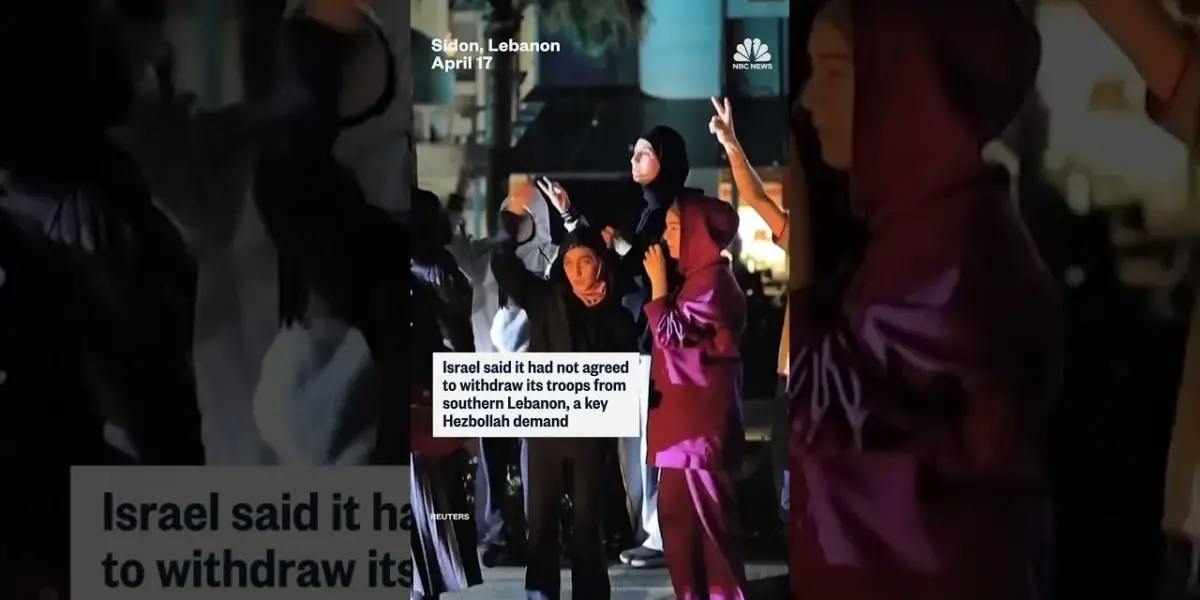
Lebanon Erupts in Celebration After Ceasefire Announcement
Crowds poured into the streets of Beirut and other Lebanese cities late Friday night, celebrating a newly announced ceasefire. The announcement, which came after days of intense fighting, brought a welcome wave of relief to a nation weary of conflict. Families and friends gathered in public squares, waving flags and honking car horns in a joyous display of hope for lasting peace.
The ceasefire, brokered by international mediators, aims to halt hostilities that have gripped the region. Details of the agreement remain scarce, but initial reports suggest a commitment from all sides to de-escalate tensions. This development offers a crucial pause in the violence, allowing for much-needed humanitarian aid to reach affected areas.
Background: A Region Under Strain
The recent escalation of conflict follows a period of heightened tensions that have destabilized the region for months. The fighting has resulted in significant casualties and widespread destruction, exacerbating an already dire humanitarian situation. Many residents have been displaced from their homes, seeking refuge from the ongoing violence.
Lebanon, already grappling with severe economic challenges, has been particularly vulnerable to the spillover effects of regional instability. The conflict has disrupted daily life, impacting livelihoods and straining essential services. The prospect of a sustained ceasefire offers a glimmer of hope for recovery and stability.
Voices from the Ground: Hope and Caution
Witnesses described scenes of jubilation mixed with a palpable sense of caution. “We are so happy this is over, but we have seen this before,” said one Beirut resident, who preferred not to be named. “We pray this time it will last.” Many echoed this sentiment, expressing a deep desire for peace while acknowledging the fragility of such agreements.
Another individual, a shop owner in southern Lebanon, shared their experience. “The shelling was constant. We couldn’t leave our homes,” they explained.
“Now, to see people out in the streets, smiling, it feels like a dream. But we need guarantees this will not happen again.” These personal accounts highlight the profound impact of the conflict on ordinary citizens.
International Reaction and Next Steps
The international community has largely welcomed the ceasefire announcement, urging all parties to adhere to its terms. Diplomatic efforts are underway to ensure the long-term sustainability of the peace. Various international organizations are preparing to provide essential aid to those most affected by the recent hostilities.
Analysts suggest that the success of this ceasefire will depend on sustained diplomatic engagement and addressing the root causes of the conflict. The coming weeks will be critical in determining whether this fragile peace can hold and lead to a more stable future for the region.
Looking Ahead: The Road to Lasting Peace
While the immediate celebrations in Lebanon are understandable, the path ahead remains challenging. The focus will now shift to rebuilding shattered communities and addressing the underlying issues that fueled the conflict. International monitoring of the ceasefire will be crucial in preventing any resurgence of violence.
The coming days will reveal the true commitment of all parties to this new agreement. The world will be watching closely to see if this ceasefire marks a genuine turning point towards lasting peace and stability in Lebanon and the wider region.
Source: Crowds gather in Lebanon after ceasefire announcement (YouTube)

Related Articles
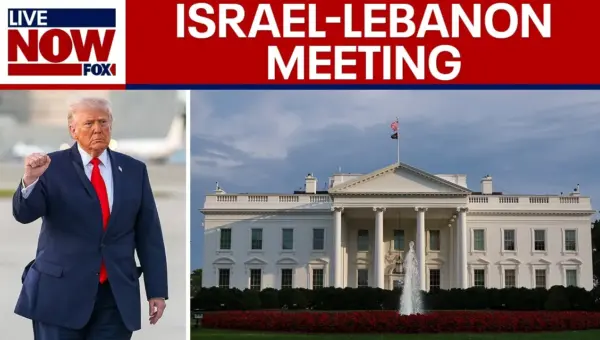
Trump Brokers Israel-Lebanon Ceasefire, Eyes White House Summit
President Trump has announced a 10-day ceasefire between Lebanon and Israel, inviting their leaders to the White House for potential peace talks. The truce faces challenges from Hezbollah's demands and Israel's continued occupation of some areas. Diplomatic efforts with Iran also continue, focusing on nuclear non-proliferation.

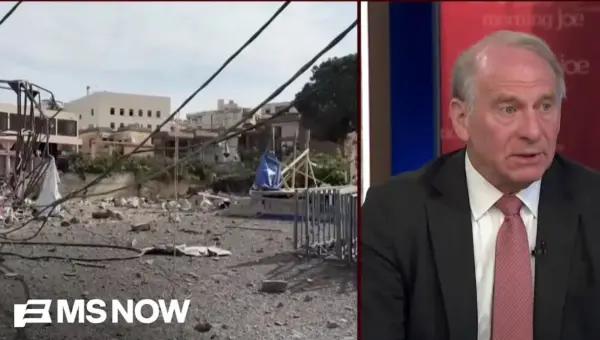
US Eyes Iran Deal Amidst Shifting Diplomacy and Key Variables
The White House is expressing optimism about reaching a deal with Iran to end the war, with mediators working behind the scenes. Key developments include a potential ceasefire agreement between Israel and Lebanon, though Hezbollah's exclusion is noted. Economic pressure through a blockade is seen as a significant factor, but major variables like President Trump and regional leaders introduce uncertainty.


Middle East Ceasefire Holds Amidst Global Weather, Economic Concerns
A fragile ten-day ceasefire between Israel and Lebanon has been announced, offering a glimmer of hope in the Middle East. Meanwhile, the U.S. grapples with widespread extreme weather, from heatwaves on the East Coast to severe storms and flooding in the Midwest. Economic concerns are rising as consumer prices jump and Europe faces a potential energy crisis, while political developments and a personal tragedy in Virginia also capture national attention.