Trump’s Policies Face Scrutiny Amid Global Turmoil
Recent events highlight significant challenges and criticisms surrounding Donald Trump's foreign policy and domestic economic views. From clashes with international figures to domestic economic concerns, a closer look reveals a complex picture. The transcript details a series of events and statements that raise questions about the effectiveness and logic of his administration's actions.

Trump’s Policies Face Scrutiny Amid Global Turmoil
Recent events highlight significant challenges and criticisms surrounding Donald Trump’s foreign policy and domestic economic views. From clashes with international figures to domestic economic concerns, a closer look reveals a complex picture. The transcript details a series of events and statements that raise questions about the effectiveness and logic of his administration’s actions.
Papal Disputes and Domestic Criticisms
Donald Trump has recently engaged in public disputes with Pope Leo the 14th, mocking the Catholic Church and creating AI images of himself as Jesus. This conflict extends to financial decisions, with reports of millions of dollars being redirected from Catholic charities and dioceses. The Pope’s speech in Cameroon directly addressed these actions, framing them as a deliberate choice by Trump and his supporters to provoke conflict.
Meanwhile, on the domestic front, Trump’s response to questions about the Epstein files and survivors has drawn criticism. He suggested that victims refused to testify under oath, a statement that downplays their experiences. He also defended his wife, Melania, against accusations of past connections to Epstein, dismissing any such claims as “fake news.” This deflection raises concerns about accountability and transparency regarding sensitive issues.
Economic Outlook and International Relations
Trump’s administration is also facing scrutiny over its handling of the economy and international negotiations, particularly with Iran. Despite claims of a booming economy and a strong stock market, reports indicate rising gas prices and potential global shortages of food and jet fuel. This disconnect between official statements and observable economic realities is a point of concern for many.
Negotiations with Iran regarding a ceasefire and nuclear weapons have been ongoing, with Trump expressing optimism about progress. However, international observers, including European and Middle Eastern nations, suggest that any significant deal could take at least six months. This timeline casts doubt on Trump’s assertions of rapid breakthroughs and highlights the slow, complex nature of such diplomatic efforts.
Contrasting Views on Global Conflicts
The transcript also touches on the ongoing conflict with Iran and its impact on global stability and the economy. Trump’s administration has implemented blockades in the Persian Gulf, yet simultaneously removed sanctions on Iranian oil. This appears contradictory, as it allows Iran to sell oil and gain financial breathing room, potentially undermining the effectiveness of the blockade itself.
Within the US government, there are differing views on foreign policy. While some Republicans, like Congress member Troy Nehls, express concern about the economic impact of the war in Ukraine, they appear less worried about the war in Iran.
Nehls stated he has never voted for aid to Ukraine but believes the actions against Iran are degrading their military and making the region safer. This stance prioritizes specific regional security interests, even at the cost of economic strain on American taxpayers.
Congressional Scrutiny and Fitness for Office
Beyond foreign policy, there are growing calls for greater congressional oversight regarding Donald Trump’s fitness for office. Democratic lawmakers are pushing for legislation to establish a commission to explore the 25th Amendment. This movement reflects concerns about his cognitive and physical ability to serve, with some suggesting he poses a national security threat.
The testimony of former UN Ambassador Mike Walls also came under fire. When questioned about war crimes and the potential violation of international law by striking civilian infrastructure, Walls offered historical examples of bombing campaigns. Democrats argue this response avoids directly addressing the legality of Trump’s threats against Iran and highlights a pattern of deflecting difficult questions.
Why This Matters
The events and statements detailed in this transcript are significant because they highlight potential inconsistencies and controversial decisions within the Trump administration’s foreign and domestic policies. The disputes with international figures, the handling of economic issues, and questions about leadership fitness all have far-reaching implications for national security and global stability.
The disconnect between Trump’s pronouncements and the views of international bodies, along with internal political divisions, suggests a challenging period ahead. The focus on specific regional interests, like that of Israel, over broader economic concerns for Americans, also raises questions about national priorities.
Implications and Future Outlook
The ongoing conflicts and diplomatic stalemates suggest that global tensions may persist. The potential for food and fuel shortages, coupled with economic uncertainty, could lead to increased public anxiety and instability worldwide. The administration’s approach to these complex issues will likely continue to be a subject of intense debate and scrutiny.
The discussions surrounding the 25th Amendment and congressional oversight indicate a deepening political divide. The ability of Congress to effectively check executive power and ensure accountability will be crucial in navigating future challenges. The outcome of these debates could shape the future of American governance and its role on the world stage.
Historical Context
Donald Trump’s presidency was marked by a distinct approach to foreign policy, often characterized by challenging long-standing alliances and engaging in direct, sometimes confrontational, diplomacy. His “America First” stance often prioritized perceived national interests above multilateral cooperation. This approach has historically led to both strong support from his base and significant criticism from opponents and international partners.
The current situation echoes some of the challenges faced during his previous term, particularly concerning economic management and international relations. His administration’s handling of the COVID-19 pandemic, for example, was criticized for downplaying the severity of the crisis and offering overly optimistic timelines for recovery. This pattern of rhetoric versus reality appears to be recurring in the current context.
Conclusion
As of April 16, 2026, the situation remains dynamic. The ongoing negotiations with Iran, economic pressures, and political debates about leadership continue to unfold. The effectiveness of Trump’s strategies in addressing these complex challenges will be a key factor in determining their long-term impact.
Source: LIVE: Trump in FREE FALL as TERM FALLS APART!!!! 4/16/2026 (YouTube)

Related Articles


Trump’s Jesus Image Sparks Catholic Outrage, May Hurt Votes
Donald Trump's recent depiction of himself as Jesus has sparked outrage among Catholic voters and religious critics. The image, condemned as blasphemous, raises concerns about the mixing of religion and politics and its potential impact on Trump's base. Pope Francis has reaffirmed the church's message of peace, urging against the misuse of gospel teachings for political gain.
Iowa Dems See Opening as Trump’s Popularity Dips
Iowa State Senator Zack Walz sees a potential political shift in his state, driven by Donald Trump's declining approval and voter frustration over economic issues. Walz believes specific policies have alienated Iowans, creating an opportunity for Democrats. The Republican Party's significant planned spending to hold the Senate seat suggests they acknowledge the growing competitiveness.
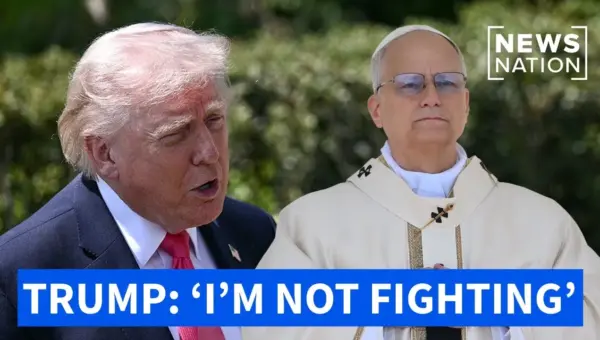
Trump Clarifies Stance: Pope’s Views on Iran Nuclear Threat Clash
Former President Donald Trump has stated he is "not fighting" with the Pope but clearly disagrees with the religious leader's views on Iran's nuclear program. Trump believes Iran must not obtain nuclear weapons, citing global security risks. He also highlighted Iran's human rights record and ongoing peace efforts in the Middle East.