Hegseth Invokes Fictional Scripture, Blurring Faith and Film
Pete Hegseth recently quoted a passage resembling biblical scripture, but it was actually from the movie Pulp Fiction. The fictional verse, adapted from a movie script, raises questions about authenticity and source verification in public discourse. This incident highlights the blurred lines between faith, film, and factual representation.


Hegseth Invokes Fictional Scripture, Blurring Faith and Film
Pete Hegseth recently quoted a passage that sounded like it came from the Bible, but it actually originated in the movie Pulp Fiction. The words spoken were, “The path of the downed aviator is beset on all sides by the iniquities of the selfish and the tyranny of evil men.
Blessed is he who in the name of camaraderie and duty shepherd the lost through the valley of darkness. For he is truly his brother’s keeper and the finder of lost children.” This dramatic recitation was attributed to a divine source during a speech, leading to questions about its authenticity.
The fabricated verse continues with a powerful, vengeful tone: “And I will strike down upon thee with great vengeance and furious anger those who attempt to capture and destroy my brother. Vengeance and fury and you will know my call sign those who poison when I lay my vengeance my brothers upon. And you will know my name is the Lord when I lay my vengeance upon thee.” This passage, intended to sound like scripture, was presented in a context where one might expect biblical references.
A Familiar Yet False Passage
As noted by John Harward, the Bible verse Pete Hegseth used is indeed fake. It is the fictional passage written for the movie Pulp Fiction, where Samuel L.
Jackson’s character recites an invented version of Ezekiel 25:17. The real Ezekiel 25:17 from the Bible is much shorter and does not contain the dramatic elements Hegseth quoted.
This means that when preparing his speech, Hegseth likely consulted the Pulp Fiction screenplay instead of the Bible for this particular quote. He then adapted the movie script for what was described as his player or prayer. The discrepancy highlights a significant difference between sacred texts and cinematic storytelling, even when borrowing similar themes.
Context and Intentions
Pulp Fiction, released in 1994, is widely regarded as a cinematic masterpiece. The scene featuring the modified Ezekiel 25:17 is one of its most memorable. The film’s director, Quentin Tarantino, is known for blending genres and using pop culture references in unique ways, including fictionalizing biblical passages for dramatic effect.
The original Ezekiel 25:17 in the Bible reads: “And I will execute great vengeance upon them with furious anger; and they shall know my judgment: and they shall know that I am the LORD.” It is a declaration of divine judgment, but it lacks the specific narrative and character-driven language found in the movie version.
Why This Matters
The use of a fictional Bible verse by a public figure, especially one discussing faith or duty, raises important questions about authenticity and intent. When a quote is presented as scripture but originates from a fictional work, it can mislead audiences. This blurs the lines between genuine religious text and cultural commentary, potentially causing confusion about the source and meaning of the message.
For those who hold religious texts in high regard, encountering a misattributed quote can be jarring. It suggests a lack of careful research or a deliberate choice to use dramatic, albeit fictional, language to evoke a certain feeling or make a point. The incident prompts a discussion about how public figures source their material and the importance of accuracy when invoking religious or authoritative texts.
Implications and Future Outlook
This event points to a broader trend where elements of popular culture are increasingly integrated into public discourse, sometimes without clear attribution. At a time when information is readily available, the reliance on fictionalized versions of real-world concepts can be problematic. It suggests a potential disconnect between the speaker’s message and the factual basis of their claims.
The situation also highlights the power of cinema to shape perceptions and even create alternative narratives that gain traction. The Pulp Fiction verse has become so iconic that some may not even recognize its fictional origin. This can lead to the perpetuation of misinformation, even when unintentional.
Moving forward, there is a clear need for greater diligence when public figures communicate. Verifying sources, especially when quoting religious or historical texts, is crucial for maintaining credibility. The expectation is that those in positions of influence will present information accurately, whether it comes from sacred scripture or a Hollywood screenplay.
The question remains whether this was an oversight or a deliberate rhetorical choice. Regardless, the incident is a reminder of the importance of factual accuracy in public communication. The next time a public figure quotes scripture, audiences may be more inclined to fact-check the source.
Source: Pete Hegseth Quotes FAKE Bible Verse #politics #fyp #new (YouTube)

Related Articles


Media War Coverage Under Fire: Patriotism or Propaganda?
Pete Hegseth argues that media coverage of ongoing Middle East conflicts is unfairly negative and unpatriotic. He contrasts this with the press's handling of the Afghanistan withdrawal, suggesting a bias in reporting based on whether U.S. involvement is active or concluded. This raises questions about media responsibility and the line between reporting and propaganda.

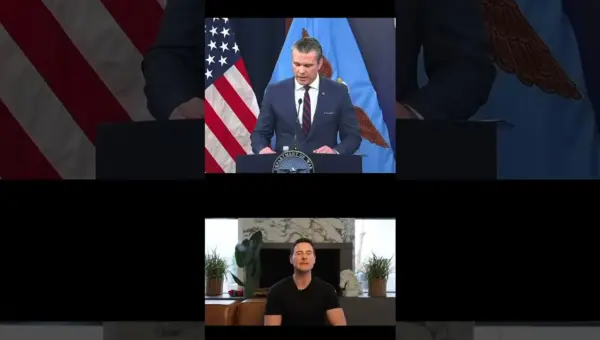
US Navy Tightens Grip on Iran’s Ports
The U.S. Navy has tightened its blockade on Iranian ports for four days, using a fraction of its naval power. Defense Secretary Pete Hegseth warned Iran of potential air strikes on energy infrastructure if provoked. Advanced ISR assets are monitoring Iranian actions closely.

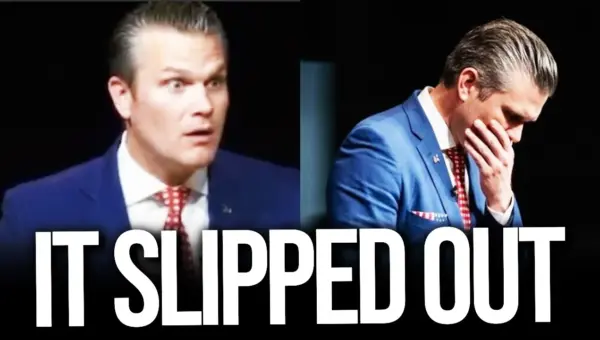
Officials’ Gaffes Expose Administration’s War Rhetoric
Recent public statements by Pete Hegseth and Stephen Miller have drawn criticism for alleged incompetence and inflammatory rhetoric. Hegseth quoted a fake Bible verse from a movie, while Miller used the phrase 'final solution.' These incidents, coupled with aggressive military language, raise concerns about the administration's communication strategy regarding the Iran conflict.