US Brokers 10-Day Ceasefire Between Israel and Lebanon
The US has brokered a 10-day ceasefire between Israel and Lebanon, a move met with cautious relief in Beirut. While the truce offers a much-needed pause in fighting, questions linger about its longevity and the potential for direct talks between the two nations, a historic prospect not seen in decades.

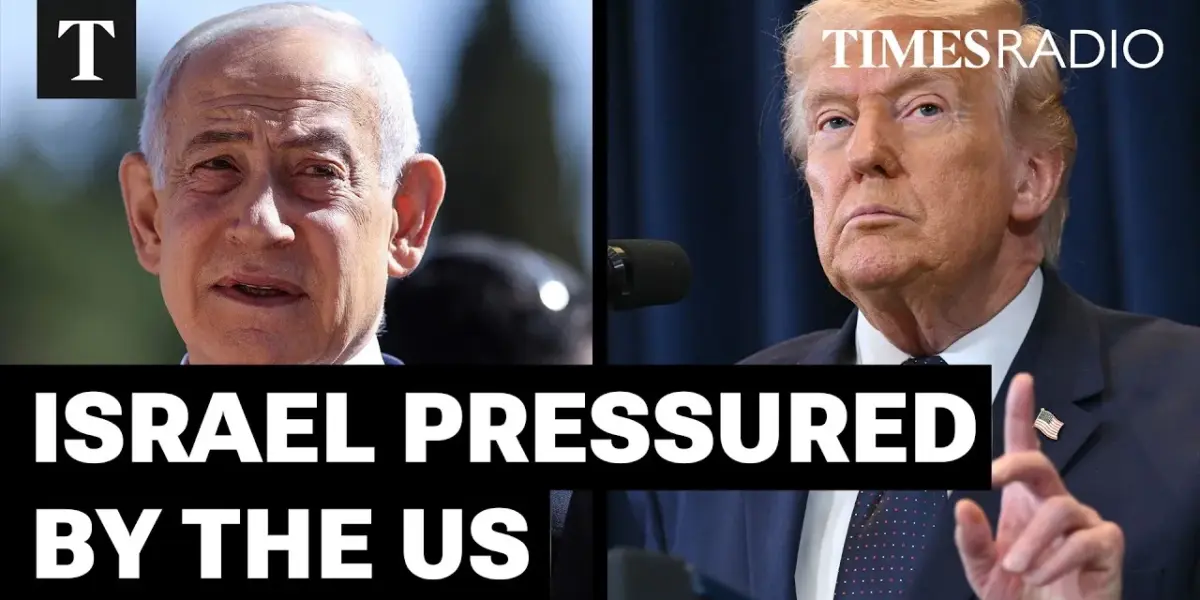
US Secures Fragile Ceasefire Between Israel and Lebanon
The United States has brokered a 10-day ceasefire between Israel and Lebanon, set to begin at 10:00 AM UK time. This agreement, allegedly accepted by both sides, comes after more than six weeks of conflict that has resulted in over 2,000 deaths in Lebanon. The US also hopes to arrange direct talks between the leaders of both nations, potentially at the White House, a historic step not seen in decades.
Lebanon Reacts with Cautious Relief
Journalist Nada Homsi, reporting from Beirut, described the public’s reaction as a mix of relief and caution. While people are hopeful for a break in hostilities, Israel’s history of not always upholding ceasefires creates uncertainty. Many in Lebanon are eager for the ceasefire to hold for the full 10 days, allowing residents to assess damage to their homes and lives.
Homsi noted that the US administration appeared to push for this ceasefire, with Israeli officials showing less enthusiasm. Lebanese officials confirmed they were not directly consulted but gave a conditional approval, stressing that the ceasefire must prevent Israel from continuing military actions within Lebanon. There are concerns that Israeli troops may remain in southern Lebanon, suggesting the truce might be temporary.
Hezbollah’s Role and Internal Tensions
A key point of agreement between Israel and Lebanon is the shared view that Hezbollah cannot maintain its current level of power within Lebanon. However, the path to achieving this is complex and deeply divisive. The fundamental issue revolves around Hezbollah’s weapons and the Lebanese state’s struggle to assert a monopoly on arms.
Hezbollah is also a part of the Lebanese government, making disarmament a sensitive internal matter. Many Lebanese believe disarmament should not be imposed by external forces like Israel, especially while under attack. The destruction of villages along the border and the displacement of a quarter of the population have fueled resentment, making any perceived surrender to Israeli demands politically dangerous for the Lebanese government.
The Path to Direct Talks and Normalization
The temporary ceasefire offers Lebanon a chance to engage in direct negotiations with Israel, a significant diplomatic development. A major point of contention will be whether Israel accepts that Hezbollah’s disarmament is an internal Lebanese issue. Israel has argued that the Lebanese army is not strong enough to disarm Hezbollah, a claim Lebanon disputes.
Past disarmament efforts show that Hezbollah did give up weapons south of the Litani River when the Lebanese state initiated the process. However, they refused to disarm north of the river because Israel had not withdrawn from certain border areas and continued daily attacks. This highlights the deep distrust and the conditions that influence such sensitive negotiations.
Hopes and Hurdles for Lasting Peace
The prospect of direct talks between Lebanese and Israeli leaders at the White House is seen as a major diplomatic opportunity. Such a meeting would be historic, marking the first direct engagement in decades.
However, Lebanon faces a delicate balancing act. While many desire peace and stability, there is significant public resistance to normalizing relations with Israel, especially as the US reportedly seeks to integrate Lebanon into the Abraham Accords.
The Lebanese government is in a challenging position. Israel has been an adversary since 1948 and does not formally recognize Lebanon.
The success of this 10-day ceasefire and the subsequent negotiations will depend on careful diplomacy and addressing the core issues of troop withdrawal, cessation of hostilities, and the return of detainees. The focus remains on whether these fragile steps can lead to a more lasting peace.
Looking Ahead
The coming days will be crucial as the 10-day ceasefire takes effect. All eyes will be on whether both Israel and Lebanon adhere to its terms and how the Lebanese government navigates the complex internal and external pressures regarding Hezbollah’s disarmament. The potential for direct talks at the White House offers a glimmer of hope, but the deep-seated issues and historical animosity present formidable challenges to achieving lasting stability in the region.
Source: Israel ‘Forced’ Into A 10-Day Ceasefire With Lebanon By The US | Nada Homsi (YouTube)

Related Articles

Israel-Lebanon Ceasefire: A Win for Iran and Hezbollah?
A ceasefire between Lebanon and Israel is set to take effect tonight, following direct talks between their leaders. This development is being viewed by some as a strategic win for Iran and Hezbollah, who may emerge from the conflict with their military capabilities intact. The agreement's success and long-term implications remain uncertain.


Trump’s Ceasefire Claims Mask Growing War Crimes
Dozens of nations have jointly condemned Israel's alleged war crimes in Lebanon, yet Donald Trump's announcement of a 10-day ceasefire has dominated headlines. This analysis questions the sincerity and effectiveness of Trump's peace efforts, highlighting a history of broken promises and ongoing violence, while also noting international condemnation of actions against UN peacekeepers.


Trump Brokers 10-Day Israel-Lebanon Ceasefire
President Trump announced a 10-day ceasefire between Israel and Lebanon, set to begin Tuesday at 5 p.m. Eastern time. The agreement follows diplomatic meetings at the State Department and direct calls with leaders from both nations. While Hezbollah was excluded from talks, the ceasefire is seen as a welcome development amid devastation in southern Lebanon.