Trump Official Faces Scrutiny Over War Crime Allegations
Democrats in the Senate questioned Ambassador Mike Waltz about alleged war crimes during the Trump administration, focusing on statements regarding Iran and historical international law. Waltz defended the administration's actions, citing historical precedents and diplomatic outcomes.

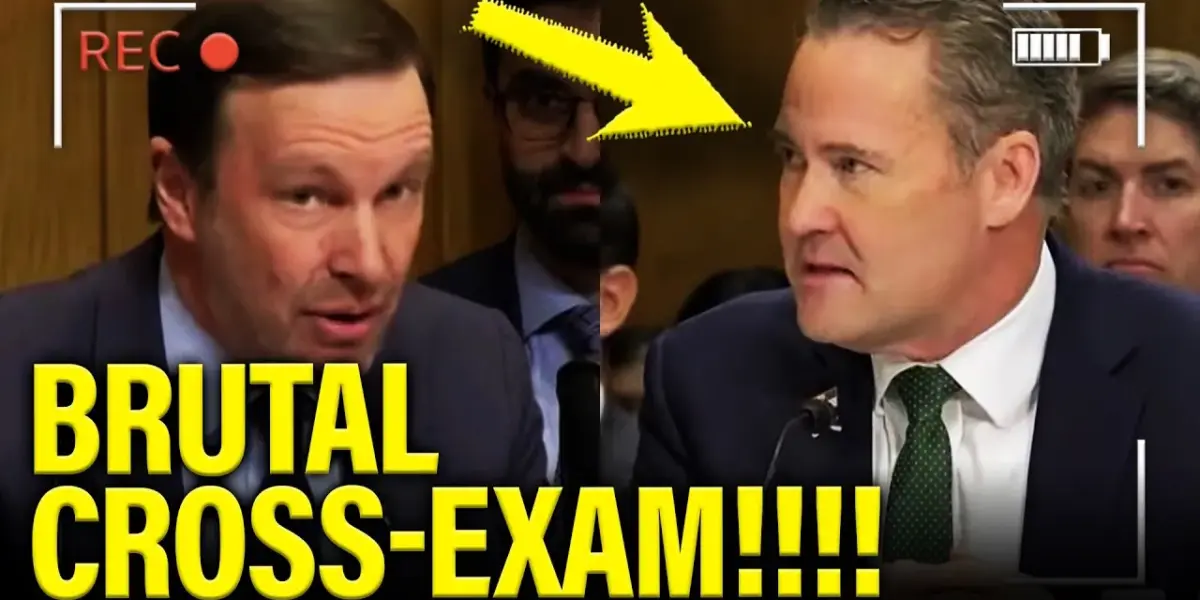
Trump Official Faces Scrutiny Over War Crime Allegations
In a recent Senate hearing, Democrats questioned a top Trump administration official, Ambassador to the United Nations Mike Waltz, about alleged war crimes. The hearing, initially focused on a different topic, became a platform for senators to press Waltz on specific actions and statements made during the Trump presidency regarding Iran.
Senator Van Holland directly asked Waltz if he agreed that consequences should exist for war crimes. He then posed a hypothetical: would it be a violation of international law to bomb civilian infrastructure in Iran simply because Iran refused to open the Strait of Hormuz? Waltz’s response was to bring up historical examples, like bombing bridges and power plants during World War II and in Vietnam and Serbia.
Waltz Defends Past Actions, Cites Historical Precedents
Waltz argued that such actions could be justified if civilian infrastructure had dual military and civilian uses. He also pointed to Iran’s own history of allegedly co-mingling military and civilian assets. He stated that President Trump’s approach was about using “every bit of leverage” to ensure the free flow of international shipping.
The ambassador also defended Trump’s strong rhetoric towards Iran, calling it “tough talk” that ultimately led to diplomacy and a ceasefire. He highlighted that following these statements, there was high-level engagement between the US and Iran, and a return to a ceasefire, suggesting that the president’s approach yielded positive diplomatic results.
Questions Raised on Putin and War Criminal Label
The discussion also shifted to statements Waltz made previously as a member of the House of Representatives. Senator Van Holland recalled Waltz calling Vladimir Putin an “absolute war criminal” and questioning why he wouldn’t apply the same label or expect the same condemnation from President Trump.
Waltz distinguished between his past role as a congressman and his current position as an ambassador. He stated that his current role requires him to represent President Trump and the United States, implying a need for a different approach than when he was an elected official focused on oversight. He affirmed his support for President Trump’s initiatives.
Debate Over Threats to ‘End Iran’s Civilization’
Senator Murphy questioned Ambassador Waltz about President Trump’s statements threatening to “end Iran’s civilization” if the country did not comply with US demands, specifically targeting civilian infrastructure. Murphy characterized these statements as a potential promise to commit war crimes.
Waltz again pointed to Iran’s alleged practice of hiding weapons in civilian areas and using civilian infrastructure for military purposes. He reiterated that the administration’s actions and rhetoric, while strong, resulted in Iran returning to the negotiating table and agreeing to a ceasefire. He emphasized the administration’s focus on Iran’s behavior, including its nuclear program and support for terrorism.
Congressional Authority and War Powers
Senator Coons raised concerns about the lack of a formal declaration of war or clear authorization from Congress for military actions. He noted that in past conflicts, Congress had held numerous hearings and voted on authorizations for the use of military force.
Waltz stated that he could not speak for the president’s engagement with Congress but suggested there were many options short of full-scale ground combat. He highlighted broad international condemnation of Iran’s actions against civilian shipping and noted that the administration was taking decisive action to prevent Iran from obtaining nuclear weapons.
Senator Coons expressed concern that Congress had not been briefed on an imminent threat that would justify the current actions or preclude negotiations. He stressed the importance of congressional authorization to ensure service members have the support of the American people.
The Iran Nuclear Deal and Diplomatic Breakdown
Senator Kaine questioned the decision to abandon the Iran nuclear deal negotiated under the Obama administration. He argued that the deal was effective and that tearing it up in 2018 left Iran with no diplomatic path to follow.
Waltz countered that Iran was not complying with the deal before the US withdrew and that the International Atomic Energy Agency (IAEA) had found Iran out of compliance. He pointed to evidence of Iran cheating on the deal and hiding military sites, which he claimed was exposed by allies and the IAEA.
Kaine argued that Iran only began enriching uranium to higher levels after the US withdrew from the deal, implying that the US action created the problem. He stated that when diplomacy becomes impossible, war becomes inevitable.
‘America First’ vs. ‘America Alone’
Senator Kaine also raised the broader question of whether the Trump administration’s foreign policy was truly “America First” or “America Alone.” He pointed to the US withdrawal from international organizations and treaties, as well as the president’s rhetoric towards allies, as evidence of a more isolationist approach.
Kaine noted that the current conflict with Iran has sharpened this question, as the administration has not sought congressional authorization or consulted allies in advance. He highlighted the economic consequences for constituents, such as rising gas prices, and questioned whether the administration cared about allies or was pursuing an “America Alone” strategy.
Why This Matters
This hearing highlights critical questions about executive power, international law, and diplomatic strategy. The cross-examination of Ambassador Waltz brought to light significant disagreements between the administration’s actions and the views of some members of Congress regarding the use of military force, the interpretation of international law, and the effectiveness of diplomatic engagement.
The debate over Iran’s nuclear program, the Strait of Hormuz, and the previous nuclear deal highlights the complex challenges in US foreign policy. The senators’ questions aimed to hold the administration accountable for its decisions and their potential consequences, particularly concerning the risk to American lives and global stability.
Implications and Future Outlook
The exchange suggests a continued tension between the executive and legislative branches over foreign policy and the use of military force. The administration’s approach, emphasizing strong rhetoric and decisive action, was defended as effective in bringing adversaries to the negotiating table. However, critics argue that this approach risks escalating conflicts and alienating allies.
The future outlook depends on how these tensions are managed. Whether future administrations will seek broader congressional buy-in for military actions and prioritize diplomatic solutions over confrontational tactics remains a key question. The ongoing situation with Iran and the broader geopolitical landscape involving adversaries like Russia and China will continue to shape these debates.
Ultimately, the hearing served as a public forum to scrutinize the justifications for military actions and the underlying foreign policy principles guiding them. The differing perspectives presented by the senators and the ambassador reflect ongoing debates about America’s role in the world and the most effective ways to ensure national security and global peace.
Source: 🚨TOP Trump Official FOLDS under CROSS EXAM for HIS WAR CRIMES!!! (YouTube)

Related Articles
Israel-Lebanon Ceasefire: A Win for Iran and Hezbollah?
A ceasefire between Lebanon and Israel is set to take effect tonight, following direct talks between their leaders. This development is being viewed by some as a strategic win for Iran and Hezbollah, who may emerge from the conflict with their military capabilities intact. The agreement's success and long-term implications remain uncertain.


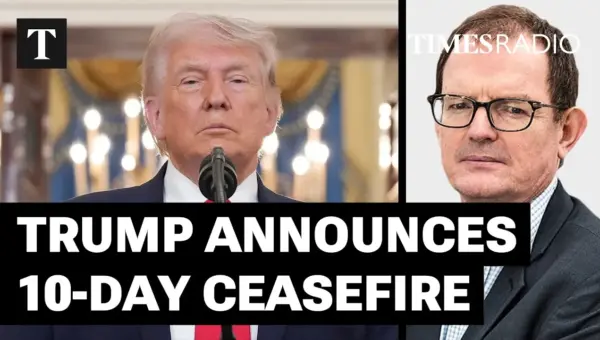
Trump’s Ceasefire Claims Mask Growing War Crimes
Dozens of nations have jointly condemned Israel's alleged war crimes in Lebanon, yet Donald Trump's announcement of a 10-day ceasefire has dominated headlines. This analysis questions the sincerity and effectiveness of Trump's peace efforts, highlighting a history of broken promises and ongoing violence, while also noting international condemnation of actions against UN peacekeepers.
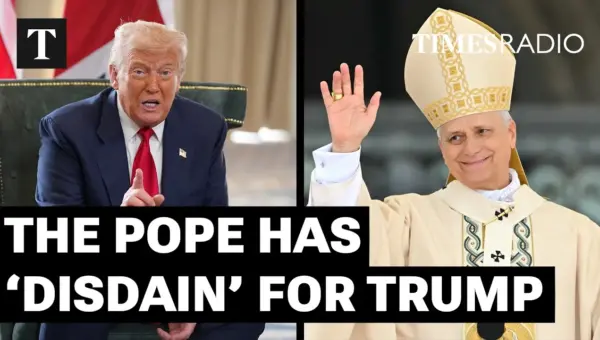
Pope’s Stance on Trump Hinders Peace, Says Adviser
Pastor Mark Burns, a spiritual adviser to Donald Trump, claims Pope Francis's criticisms of "tyrants" are personal attacks against Trump, hindering peace efforts. Burns argues the Pope should focus on global crises instead of his "disdain" for the former president. He defends Trump's strong stance on Iran as necessary for protecting innocent lives.