Hungary’s Orban Faces New Challenger in EU Ukraine Stance
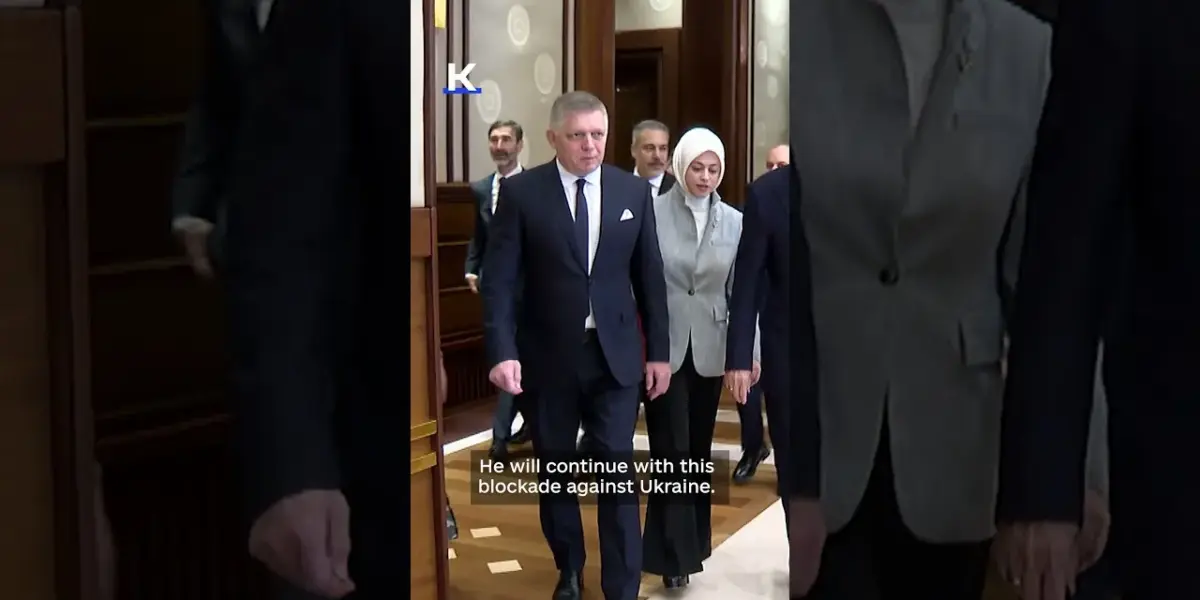
Hungary's Prime Minister Viktor Orban has consistently blocked EU sanctions and aid for Ukraine. Opposition leader Robert Fico has vowed to continue this stance, potentially isolating Hungary further within the bloc. This obstruction has significant financial and strategic implications for Ukraine and the EU's collective foreign policy.

Hungary’s Orban Faces New Challenger in EU Ukraine Stance
Hungary’s long-standing opposition to European Union support for Ukraine may soon see a familiar face in a new role. Prime Minister Viktor Orban has consistently acted as a roadblock to EU sanctions against Russia and financial aid for Kyiv.
This stance has increasingly isolated Hungary within the bloc, often alongside Slovakia. However, recent statements from opposition leader Robert Fico suggest this opposition will continue, potentially even if Orban loses the next election.
Fico has publicly stated his intention to carry on the opposition to Ukraine within the European Union if he replaces Orban. This is not mere speculation; Fico made these remarks on record recently.
His commitment signals a potential continuation of Hungary’s solitary position on this critical issue. It highlights a significant challenge for Ukraine and its allies seeking unified support from the EU.
Current Blocking Tactics Detailed
The impact of this opposition is already tangible within the EU’s decision-making processes. For instance, Hungary is currently blocking the EU’s 13th package of sanctions against Russia.
Orban is also holding up a vital 90 billion euro support loan intended for Ukraine. These actions directly hinder crucial financial and military assistance to Kyiv.
Both Hungary and Slovakia have previously attempted to remove certain Russian oligarchs from the EU’s sanctions list. Such moves threaten the integrity of the entire sanctions package.
By seeking to delist individuals, these nations undermine the collective pressure being applied to Moscow. This creates a significant hurdle for the EU’s foreign policy objectives.
Strategic Implications
Hungary’s consistent obstructionism has strategic implications for both the EU and Ukraine. The EU relies on unified action to effectively implement sanctions and provide aid.
When one member state consistently blocks these measures, it weakens the bloc’s overall influence and resolve. This can embolden Russia and undermine the solidarity that is crucial for deterring further aggression.
For Ukraine, the delays and potential blockades directly affect its ability to fund its defense and rebuild its economy. The 90 billion euro loan is a substantial amount of financial support.
Its blockage creates uncertainty and financial strain for Kyiv. It also forces Ukraine to seek alternative funding sources, which may be less reliable or come with different conditions.
Historical Parallels
Hungary’s role as a dissenting voice within the EU is not entirely new. However, the intensity and consistency of its opposition to Ukraine-related measures have grown over time.
This pattern of obstructionism has echoes in previous instances where member states have used their veto power to protect national interests or ideological stances. These situations often lead to lengthy negotiations and compromises, or in some cases, deadlock.
The current situation with Hungary and Slovakia highlights a challenge inherent in the EU’s structure. While designed to foster consensus, the requirement for unanimous consent on certain foreign policy matters can be exploited by individual states. This can lead to a situation where the interests of a single nation can override the collective will of the majority.
Geopolitical Impact
The ongoing obstruction by Hungary, and potentially Slovakia under Fico, has broader geopolitical consequences. It creates divisions within the European Union, which can be exploited by external actors like Russia.
A divided EU is less effective in projecting a united front on the global stage. This can weaken its standing in international affairs and its ability to respond to crises.
This situation can impact the perception of EU unity and resolve among its international partners. Allies may question the bloc’s ability to act decisively when key members are undermining common policy.
This could affect future alliances and security cooperation. The continuation of such blocking tactics by a member state is closely watched by global powers.
The upcoming Hungarian elections will be a key indicator of whether this trend of obstruction will continue. Robert Fico’s stated intentions suggest that even a change in leadership might not alter Hungary’s challenging stance on Ukraine support within the EU.
Source: Central Europe’s shift against Ukraine, explained (YouTube)

Related Articles

Bucha Massacre Anniversary: EU Vows Justice for War Crimes
Four years after the atrocities in Bucha, Ukraine, EU officials marked the anniversary by honoring victims and vowing justice. The European Union is pushing for a special tribunal to hold Russian leadership accountable for the crime of aggression, beyond individual war crimes prosecutions. This move aims to ensure those who ordered the war face justice.


Russia Tightens Digital Grip, Threatens Ukraine’s Info Flow
Russia is increasing its control over online information by blocking websites and social media, potentially impacting Ukraine's ability to reach people in occupied territories. While sabotage communications are expected to remain secure, the broader risk is increased isolation and vulnerability to propaganda for civilians.
Hungary’s Orban Uses Ukraine War Fear in Election Push
Hungarian Prime Minister Viktor Orban is centering his election campaign on the war in Ukraine. Facing electoral pressure, Orban's Fides party is using fear-mongering tactics and an anti-Ukrainian campaign. He portrays himself as Hungary's sole protector against being drawn into the conflict.