Central Europe Pulls Back From Ukraine Support
Several Central European nations, including Hungary and Slovakia, are adopting more critical stances toward supporting Ukraine. This shift is largely driven by populist politicians using the conflict for domestic political gain and to exploit existing societal divisions. The change could impact Ukraine's aid and weaken European solidarity.

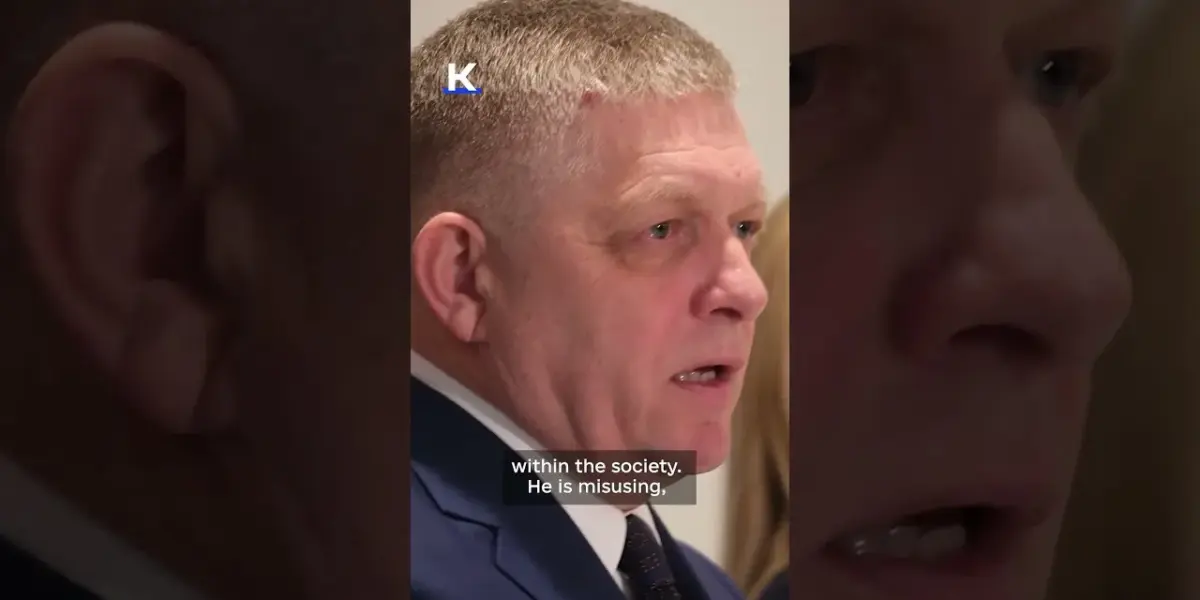
Central Europe Shifts Stance on Ukraine Aid
Once a strong bloc of support for Ukraine, several Central European nations are now showing a more critical approach. This change is particularly noticeable in countries like Hungary, Slovakia, and Poland. Even the Czech Republic has seen political shifts that may affect its foreign policy.
Hungary was notably the sole member of the Visegrad Group to express significant reservations about aiding Ukraine in 2022. Now, Slovakia has adopted a similar stance. Populist parties have also gained ground in the Czech Republic following recent elections.
In Poland, President Andrzej Duda has taken a more cautious position regarding Ukraine compared to his predecessor. This evolving sentiment across the region raises questions about the future of European solidarity with Kyiv.
Populist Politics Drive Policy Changes
Experts suggest that a key factor behind these shifts is the use of the Ukraine conflict as a tool for domestic political division. Politicians are leveraging the tragedy to consolidate their power and appeal to specific voter bases.
Robert Fico, the Prime Minister of Slovakia, is cited as an example of this strategy. His government’s critical attitude toward Ukraine is seen by some as an attempt to exploit existing societal divisions. This approach aims to maintain and deepen these divisions for political gain.
The strategy appears to connect with a segment of the electorate that holds more pro-Russian views. While this sentiment may be difficult for some to understand, it represents a reality that politicians are responding to.
Misusing Crisis for Domestic Goals
The core issue, according to analysts, is the misuse of Ukraine’s existential crisis for domestic political objectives. This is happening at a critical moment when Ukraine’s very survival is threatened by Russian aggression.
At the same time, Russia is actively dismantling the security framework of Europe. In this context, a leader like the Slovak Prime Minister is seen as exploiting the situation for his own internal political purposes.
This behavior is considered problematic because it undermines collective security and solidarity. It diverts attention from the larger threat to European stability posed by Russia’s actions.
Strategic Implications on the Ground
These political shifts can have significant consequences for Ukraine’s ability to receive military and financial aid. A less unified Europe could weaken Ukraine’s position in its defense against Russia.
The Visegrad Group, historically a forum for regional cooperation, may see its influence diminish if member states adopt divergent foreign policies. This could complicate efforts to present a united front against Russian aggression.
The current situation highlights how domestic political calculations can directly impact international relations and security alliances. The focus on internal divisions risks weakening a crucial support network for a nation under attack.
Historical Parallels
Throughout history, geopolitical crises have often been intertwined with domestic political maneuvering. Leaders have frequently used external conflicts or threats to rally support or consolidate power at home.
The current situation in Central Europe echoes instances where national interests and internal political agendas have sometimes overshadowed broader international cooperation. This can occur especially during times of prolonged conflict or uncertainty.
Understanding these historical patterns helps explain why political leaders might prioritize domestic gains over consistent foreign policy, even when facing significant external threats.
Broader Geopolitical Impact
The changing attitudes in Central Europe could embolden Russia. It might interpret these shifts as a sign of weakening Western resolve, potentially encouraging further aggression.
A fractured European front could also impact NATO’s cohesion and its ability to respond effectively to security challenges. The alliance relies on a high degree of unity among its members.
The long-term geopolitical consequences depend on how these internal political dynamics evolve and whether a unified European response can be maintained.
Looking Ahead
The upcoming months will be crucial in determining the extent of these policy changes. The focus will be on whether these Central European nations maintain their evolving stances or return to a more unified support for Ukraine.
Future aid packages and diplomatic efforts will likely reflect these internal political developments. The international community will be watching closely to see how these shifts impact regional stability.
The situation remains fluid, with ongoing political debates shaping the foreign policy decisions of these key European nations.
Source: Central Europe’s shift against Ukraine, explained (YouTube)

Related Articles


China’s Island Fortification Grows in South China Sea
China is rapidly expanding a military base on Antelope Reef in the South China Sea, turning it into a major strategic outpost. This buildup strengthens China's military reach and influence over vital shipping routes, raising concerns for regional stability and international navigation.


Oil Prices May Stay High, But Stocks Could Rise
Global tensions surrounding Iran may be easing as Oman coordinates efforts to keep the Strait of Hormuz open. This, combined with significant cash reserves held by institutional investors, suggests a potential floor for the stock market. While oil prices could remain elevated, this scenario may pave the way for stock market gains.

Trump’s Foreign Policy Lacks Clear Doctrine, Analysts Say
Analysts argue that the U.S. foreign policy under President Trump lacks a consistent doctrine, with actions driven more by personal interests than a strategic plan. This absence of a clear guiding principle creates global uncertainty and challenges the existing world order.