Germany Faces Energy Crisis Amid Climate Policy Debate
Germany's energy crisis is forcing a rethink of climate policies, with discussions highlighting how political framing has hindered progress. A call is emerging to emphasize energy security and practical benefits to gain broader support for initiatives like heat pump adoption.

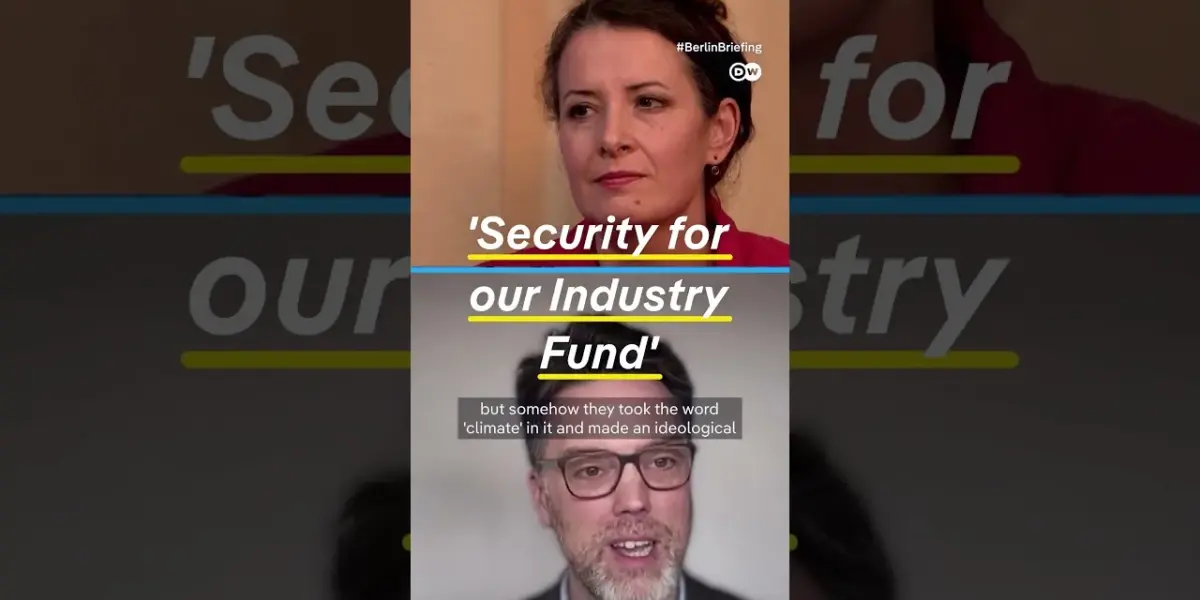
Germany’s Energy Dilemma: Climate Goals vs. Practical Needs
Germany is grappling with a significant energy crisis, forcing a re-evaluation of its climate policies and their political reception. A recent discussion highlighted how framing and political ideology have complicated efforts to reduce the nation’s reliance on fossil fuels, particularly natural gas.
The core of the issue lies in how climate initiatives are presented to the public and political opponents. The Climate and Transformation Fund, established by the previous government including the Green party, was intended to support the industrial sector in reducing its dependence on gas. However, the emphasis on the word “climate” reportedly turned it into an ideological battleground, alienating conservative factions.
Rethinking Energy Security for Industry
One key takeaway from the discussion is the potential benefit of rebranding climate-focused funds. Had the Climate and Transformation Fund been presented as an “industry security fund,” it might have garnered broader support. This approach would have focused on the practical outcome of reducing dependency, a goal that resonates across the political spectrum, rather than solely on environmental concerns.
This strategy could help overcome political gridlock. By emphasizing the tangible benefits of energy independence for Germany’s production industries, policymakers might find more common ground. Such a shift in language could unlock necessary investments and accelerate the transition away from volatile foreign energy sources.
Heat Pumps: A Case of Ideological Opposition
The debate surrounding heat pumps offers a clear example of how political campaigns can hinder progress. The former Economy Minister, a member of the Social Democrats, introduced reforms aimed at increasing the use of electric heat pumps in buildings. The goal was to reduce reliance on fossil fuels and shift towards electricity, a move aligned with both climate objectives and energy security.
Despite the clear benefits, the proposal faced strong ideological opposition. This campaign against heat pumps led to fewer installations than needed. Now, with the current energy crisis, there’s a renewed interest in heat pumps as people recognize their importance for both energy independence and climate protection.
Lessons Learned from the Heat Pump Debate
The current situation underscores a missed opportunity. Had the government not waged a campaign against heat pumps, Germany could have been further along in its energy transition. This would have provided a more stable energy supply during the present crisis.
The experience suggests a need for more pragmatic communication. Focusing on shared goals like energy security and economic stability might be more effective than solely emphasizing climate change. This approach could bridge political divides and speed up the adoption of crucial technologies.
Bridging Climate and Security Arguments
The discussion suggests that the Green party, and potentially others, should consider framing their initiatives in terms of both climate action and national security. The need for electrification, for instance, serves dual purposes: it is essential for combating climate change and for enhancing Germany’s own energy sovereignty.
By using language that resonates with a broader audience, including conservatives, policymakers can build stronger coalitions. Highlighting how renewable energy and energy efficiency contribute to global security and reduce dependence on external powers can be a powerful unifying message.
Looking Ahead: A Call for Pragmatic Policy
Germany’s energy future depends on its ability to navigate these complex political and environmental challenges. The coming months will likely see continued debate on how best to secure the nation’s energy supply while meeting its climate commitments.
The focus will be on whether political factions can find common ground by emphasizing shared benefits like energy independence and economic resilience. The success of Germany’s energy transition may hinge on adopting more inclusive and pragmatic communication strategies for its climate policies.
Source: Energy crisis: Germany's dependency vs. climate debate | Berlin Briefing Podcast (YouTube)

Related Articles


US Policies Are ‘Ballast’ Amid Global Uncertainty
American policies are acting as a crucial stabilizing force, or 'ballast,' amidst heightened global geopolitical uncertainty. Efforts to prevent Iran from acquiring nuclear weapons are highlighted as vital for future economic and energy security, especially concerning the Strait of Hormuz.


Oil Surges Past $115 as Iran Conflict Hits Energy Hubs
Oil prices have surged past $115 per barrel as direct attacks on critical energy infrastructure in the Middle East escalate. European gas prices have nearly tripled, impacting electricity costs and global inflation. This spreading conflict threatens economic growth as central banks face pressure to raise interest rates.
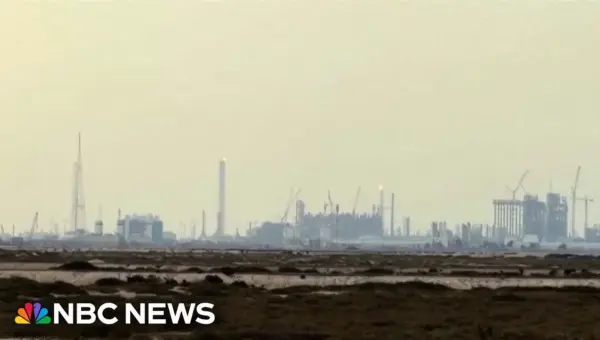
Oil Prices Spike After Attacks on Energy Sites
Oil prices surged this week following a wave of U.S. airstrikes in Iran and attacks on energy sites in Qatar. Vice President Vance called the price increases a 'temporary blip,' while intelligence briefings revealed disagreements over the immediacy of the threat from Iran. Military actions targeted missile facilities along the Strait of Hormuz.