Trump’s Claims Undermine Trust Amid Global Tensions
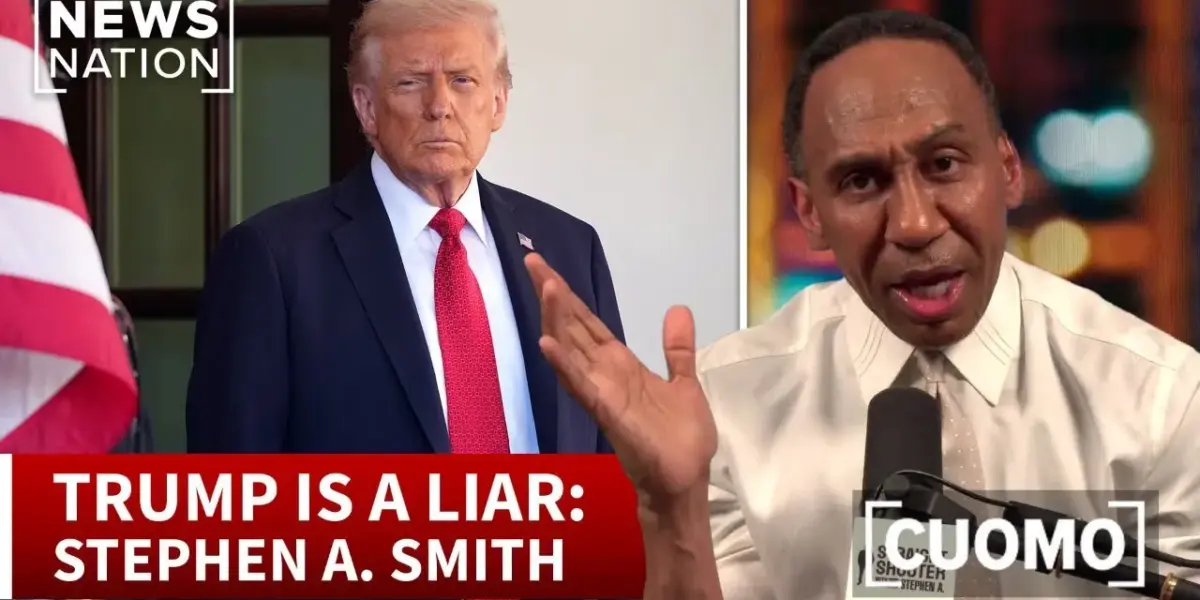
Stephen A. Smith has labeled President Trump a "pathological liar" amid global tensions, questioning the President's self-portrayal and repeated claims. This comes as Trump's rhetoric faces increasing scrutiny, potentially serving as a distraction from international issues like Iran and the Israel-Hezbollah conflict.

Trump’s Claims Undermine Trust Amid Global Tensions
The political discourse surrounding President Trump has taken a sharp turn, with prominent figures like Stephen A. Smith labeling him a “pathological liar.” This accusation comes amid a backdrop of international challenges, including tensions with Iran and the ongoing conflict between Israel and Hezbollah. The core issue revolves around President Trump’s public statements and his perceived self-image, which critics argue are detached from reality.
Self-Perception vs. Public Perception
The controversy ignited when President Trump posted an image depicting himself as a doctor healing others. This imagery, which he seemingly believes reflects his own actions, has been met with widespread disbelief. Stephen A. Smith, speaking on Chris Cuomo’s program, expressed astonishment not just at the absurdity of the claim, but at the belief that people would accept it. Smith stated, “He thinks people are going to believe him. And then he can just blame people like me for pointing out what’s obvious.” This highlights a key concern: the President’s ability to sway public opinion through repeated, unsubstantiated claims.
Cuomo added that the President’s self-portrayal, with a hand on a forehead as if healing someone, reveals how he sees himself. Millions of people, Cuomo notes, accept this belief. The concern is that this disconnect from reality is becoming more apparent. While in the past, such claims might have been dismissed as minor issues, recent events have brought them under greater scrutiny. The release of the Epstein files, for instance, has led to more vocal criticism from individuals and groups who previously remained silent.
Shifting Public Trust and Political Strategy
Stephen A. Smith observed a gradual erosion of belief in President Trump’s statements. He described a progression: first, a strong belief, then a “who cares” attitude, and now, a more critical examination. This shift is significant because it suggests a weakening of the President’s ability to control the narrative. The comfortable dismissal of past claims is no longer the default response for many.
The timing of these controversial statements is also noteworthy. Analysts suggest that President Trump might be attempting to distract from pressing international issues. These include the complex situation with Iran and the escalating conflict between Israel and Hezbollah. By focusing attention on his personal claims, the President could be trying to divert public and media focus away from these global challenges. This strategy aims to shift the conversation, even if the claims themselves are questionable.
Appeasing the Base and Managing Expectations
Ultimately, the actions are seen as an effort to appease his political base. Smith believes the President is trying to give his supporters the impression that he is more capable or effective than he truly is. This comes at a time when promised actions have not been completed as quickly as initially suggested. The imagery and rhetoric serve as a way for the President to reassure his supporters, saying, “Hold on, it’s me. I got you.” This message aims to maintain loyalty and confidence, especially when tangible results may be lacking.
Global Impact
The consistent questioning of President Trump’s truthfulness has broader implications. When a world leader’s statements are widely perceived as false, it can weaken diplomatic efforts and international trust. Allies and adversaries alike may question the reliability of communications, making negotiations and conflict resolution more difficult. This erosion of credibility can have a ripple effect, impacting trade, security alliances, and global stability. The focus on domestic messaging, even if intended to rally a base, can inadvertently create uncertainty on the international stage, particularly during times of heightened geopolitical risk.
Historical Context
Throughout history, leaders have used rhetoric and imagery to shape public perception. However, the current era, with instant global communication and a highly polarized media landscape, amplifies the impact of such claims. The speed at which information, and misinformation, travels means that a leader’s words can have immediate and far-reaching consequences. The current situation echoes past instances where leaders have faced accusations of dishonesty, but the scale and pervasiveness of social media add new dimensions to how these narratives are constructed and challenged.
Economic Leverage
While the transcript doesn’t detail specific economic actions, the mention of global tensions like those involving Iran and Israel often have significant economic underpinnings. Sanctions, trade dependencies, and control over energy routes are common tools in international relations. If President Trump is seeking to distract from these issues, it suggests an awareness of their importance and potential impact on his administration’s standing. A leader’s perceived strength or weakness in handling economic matters, like trade deals or energy security, can directly influence domestic support.
Future Scenarios
One scenario is that the President’s strategy of using bold, often contested, claims to energize his base continues to be effective, at least in the short term. This could allow him to maintain support while navigating complex international challenges. Another possibility is that the growing skepticism will continue to erode his credibility, making it harder to rally support both domestically and internationally. This could lead to increased criticism and potentially weaken his ability to enact policies or secure agreements. A third scenario involves a potential pivot, where the President might adjust his communication style if the current approach proves counterproductive in key areas, though this seems less likely given past patterns.
Source: Stephen A. Smith: President Trump is a pathological liar | CUOMO (YouTube)

Related Articles
US Naval Blockade Forces Iran to Negotiate
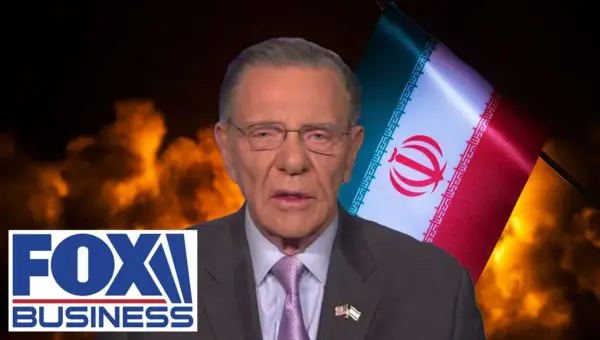
The U.S. is using a naval blockade to force Iran to negotiate, targeting oil tankers to disrupt Tehran's revenue. This strategy aims to secure freedom of navigation through the Strait of Hormuz and prevent Iran from developing nuclear weapons. Investors should watch regional stability and oil prices.
Trump Ultimatum: No Deal Without Nuclear Ban
President Trump has issued an ultimatum in Iran negotiations, stating no deal will be reached if Iran pursues nuclear weapons. Meanwhile, domestic policy debates continue over DHS funding, with a reconciliation process being considered for various legislative items. Positive economic news includes a significant rise in average tax refunds, boosting consumer spending.
Judge Tosses Trump’s $10B Lawsuit Against WSJ
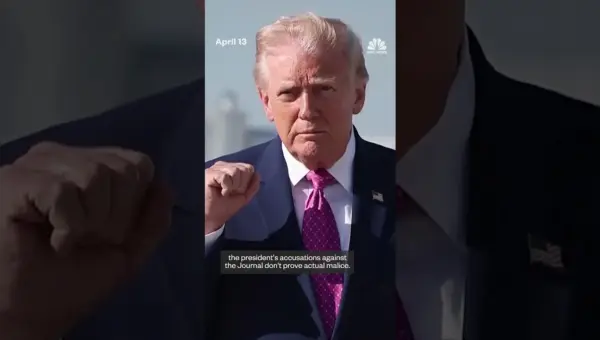
A federal judge has dismissed former President Donald Trump's $10 billion lawsuit against The Wall Street Journal. The judge ruled that Trump's team failed to prove 'actual malice' by the newspaper. Trump's legal team stated they will continue to fight against what they call 'fake news'.