Germany Tackles Digital Abuse with New Criminal Law
Germany is introducing a new law to criminalize digital sexual abuse, including the creation and spread of deepfake pornography and non-consensual explicit images. The legislation aims to protect millions, particularly women, who are disproportionately affected by online sexual violence. This move addresses the growing challenges posed by new technologies in the digital realm.

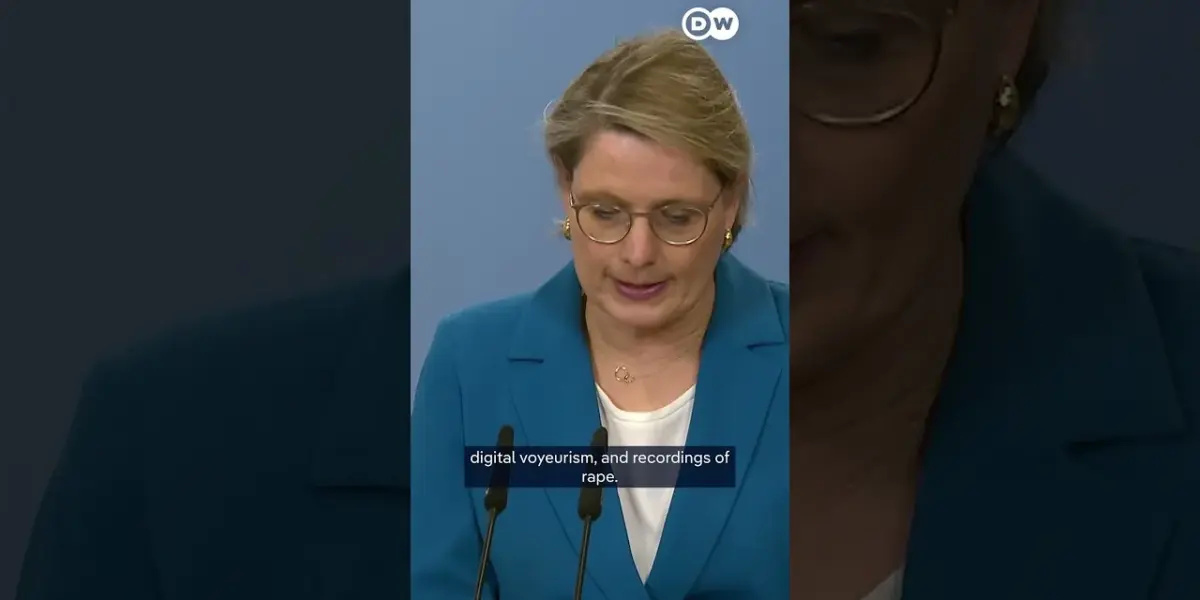
Germany Moves to Criminalize Digital Sexual Abuse
Germany is taking a significant step to combat the growing problem of digital sexual abuse. Lawmakers have drafted a new law that will create specific criminal offenses for various forms of online sexual violence. This move comes in response to a rise in incidents like the creation and spread of deepfake pornography and non-consensual sharing of explicit images.
The proposed legislation aims to protect millions of people, with a particular focus on women, who are disproportionately targeted by such offenses. Reports indicate that in over six out of ten cases of digital abuse, women are the primary victims. This new law seeks to provide stronger legal recourse for victims and deter offenders.
Defining New Crimes for the Digital Age
The core of the new law introduces a specific criminal charge for image-based sexual violence. This includes offenses such as creating and distributing pornographic deepfakes, a type of manipulated media that uses artificial intelligence to make it appear someone said or did something they did not. It also covers digital voyeurism, which involves secretly filming or photographing someone in a private situation, and the sharing of non-consensual sexual recordings, sometimes referred to as revenge porn.
Under the proposed law, anyone who creates or spreads these types of images and videos without consent will face criminal charges. This action will be considered a violation of personal rights. The law is designed to address the harm caused by the non-consensual dissemination of intimate content, recognizing the severe emotional and reputational damage it can inflict.
Examples of Prosecutable Offenses
The legislation provides clear examples of what will be considered a crime. For instance, creating AI-generated pornographic images or videos and then distributing them via messaging apps will be punishable.
This applies regardless of whether the material is sent to a single person, a group, or is made public online. The intent is to cover all forms of unauthorized distribution that violate an individual’s privacy and dignity.
This means that even sharing a manipulated image of someone in a sexual context, without their permission, could lead to legal consequences. The law recognizes that the harm is done not just by the creation of the content but by its subsequent spread, which can amplify the abuse and reach a wider audience. Authorities aim to hold individuals accountable for these digital actions.
Broader Context and Impact
Digital sexual abuse is described as a mass phenomenon affecting millions in Germany. The existing legal framework has struggled to keep pace with the rapid advancements in technology, such as AI-powered image manipulation. This new law is an attempt to update legal protections for the digital age, ensuring that victims have avenues for justice.
The German government’s initiative reflects a growing global concern about online harms. Many countries are grappling with how to regulate digital spaces and protect citizens from new forms of abuse. This law could serve as a model or influence similar legislative efforts in other nations seeking to address the challenges of digital sexual violence.
What’s Next for Digital Safety Laws
The drafted law will now go through the parliamentary process for approval. If passed, it will mark a significant step forward in Germany’s efforts to combat online sexual abuse. The focus will then shift to enforcement and raising public awareness about the new regulations and the severe consequences of engaging in these harmful digital activities.
The implementation of this law will be crucial in assessing its effectiveness in deterring offenders and providing support to victims. Future discussions may also address the responsibilities of online platforms in preventing the spread of such content. Germany’s action signals a strong commitment to making the digital world a safer place for everyone.
Source: Germany drafts law on digital sexual abuse | DW News (YouTube)

Related Articles


Selfie Age Checks Face Backlash Over Privacy, Bias
Governments are exploring selfie-based age verification to protect minors online, but the technology faces criticism. Concerns about AI accuracy, especially for ethnic minorities, and the significant privacy risks of uploading personal data are leading to backlash. Critics argue these measures don't address the root causes of harmful online content.


Deepfake Creators Reveal Shocking Motivations: ‘God-like Buzz’
A new study reveals that men creating deepfake nudes often feel a 'god-like buzz' of control and may not realize the harm they cause, dismissing their actions as 'just a joke.' Researchers draw a stark parallel between this virtual violation and sexual assault, urging increased awareness and action against this abuse.


AI Scams Explode: Man Loses $1.6M, Teen Forced to Scam
A 76-year-old man lost $1.6 million to an AI investment scam after being lured by a fake online persona. The case highlights the growing threat of AI-powered fraud, with even some scammers being victims of human trafficking forced into illegal activities.