Kash Patel’s Contradiction: Lawsuit vs. Denial
Kash Patel denied a specific incident, calling it a lie. However, his own defamation lawsuit appears to acknowledge a technical problem, contradicting his public denial. This discrepancy raises questions about credibility and transparency.


Kash Patel’s Contradiction: Lawsuit vs. Denial
Kash Patel, a figure associated with the Trump administration, recently found himself in a heated exchange when asked a straightforward question about his actions. When pressed about whether he had spoken to anyone regarding his thoughts on a particular matter, Patel’s response was sharp and dismissive, calling the questioner a liar and labeling the premise an “absolute lie.” He insisted that the event in question “never happened” and stated his intention to serve in the administration as long as he was wanted.
However, a closer look at recent legal filings reveals a stark contradiction to Patel’s public statements. In a defamation lawsuit filed by Patel against The Atlantic, a specific detail emerges. Paragraph 23 of this lawsuit reportedly states that on April 10, 2026, “Director Patel had a routine technical problem logging into a government system, which was then quickly fixed.” This detail directly conflicts with Patel’s claim that the incident never occurred.
The Legal Document Says One Thing, The Denial Says Another
The situation presents a confusing picture. Patel vehemently denies being locked out of systems, stating anyone who claims otherwise is lying.
Yet, the very lawsuit he initiated appears to acknowledge a technical issue, albeit describing it as routine. This discrepancy has led to accusations that Patel is misrepresenting the facts, either in his public denials or in the details provided within his legal documents.
The exchange escalated when the questioner pointed out this contradiction, referencing the lawsuit directly. Patel’s response was to interrupt, accusing the questioner of being rude and unprofessional.
He demanded respect and insisted on being allowed to answer questions without interruption. This defensive posture suggests a strong reaction to being challenged on the factual basis of his claims.
Accusations of Evasion and Rudeness
The person challenging Patel argued that his interruptions and accusations of rudeness were not the primary issue. Instead, they suggested that Patel’s administration is perceived as being less safe and filled with individuals facing various allegations. When members of such an administration cannot answer simple questions directly, the argument goes, the actions of the questioner might be seen as necessary rather than simply rude.
This perspective frames the confrontation not just as a disagreement over facts, but as a broader commentary on transparency and accountability within certain political circles. The inability or unwillingness to provide clear answers, according to this viewpoint, forces more direct and potentially uncomfortable questioning to get to the truth.
Why This Matters
The contradiction between Kash Patel’s public statements and the details within his own legal filing is significant. It raises questions about credibility and the willingness to be transparent. When public figures deny events that are later acknowledged in their own legal documents, it can erode public trust and create confusion about what actually happened.
This situation highlights the challenges in verifying information, especially when legal proceedings are involved. It also touches upon the dynamics of political discourse, where accusations of lying and rudeness can often overshadow substantive disagreements about facts and policies. The public deserves clear and consistent information from those in positions of authority.
Implications and Future Outlook
The ongoing debate around these statements could impact public perception of Kash Patel and the administration he is associated with. If the legal filing is accurate, his public denials appear misleading. This could lead to further scrutiny from the media and the public, demanding more accountability.
Moving forward, similar situations will likely continue to test the boundaries of political communication. The public’s increasing access to information, including legal documents, means that contradictions are more likely to be exposed. Figures in public life will face greater pressure to ensure their public statements align with their private actions and legal testimonies.
Historical Context
Disputes over truth and accuracy in politics are not new. Throughout history, political figures have faced accusations of dishonesty, evasion, and misrepresentation. The rise of social media and the 24-hour news cycle have amplified these conflicts, making them more visible and immediate.
The specific context here involves a figure closely tied to a former president, a period marked by intense political division and frequent challenges to established norms. Understanding this background helps explain the charged nature of such exchanges and the heightened public interest in perceived inconsistencies.
The situation with Kash Patel’s conflicting statements is a reminder of the importance of factual accuracy in public life. As legal and public discourse continue to intertwine, consistency and transparency will remain crucial for maintaining credibility. The next steps in his defamation lawsuit will likely bring more clarity, or further complications, to this narrative.
Source: Kash Patel Snaps… Then Gets Caught Lying #politics #fyp #new (YouTube)

Related Articles

Trump’s Cabinet: A ‘Wimp’ Problem or a Mirror?
A report suggests Donald Trump feels his cabinet members lack 'manliness.' This focus on outward toughness may overshadow actual competence and effective governance. The discussion highlights evolving expectations for leadership beyond traditional notions of strength.
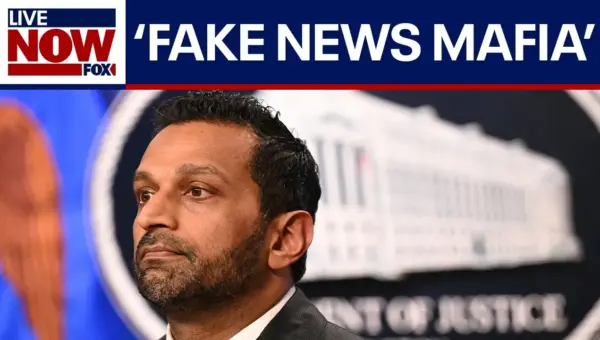
FBI Director Denies Allegations, Defends Record in Heated Exchange
FBI Director Kash Patel forcefully denied allegations of unexplained absences and potential intoxication, calling them "fake news." He highlighted his record of accomplishments, including reduced crime rates and increased seizures of illicit drugs and fugitives. Patel announced a $250 million defamation lawsuit against his accusers.


Influencer Exposes Congressman’s Abuse of Power
Influencer Ariel Foder, known as Mrs. Frazzled, exposed Congressman Eric Swalwell's alleged misconduct after years of rumors. Her actions, alongside other influencers, highlight a culture of abuse in Washington and the power of trusted online voices to drive accountability when traditional media and political parties fail.