US Warns Iran: Deal or Face Military Action
The U.S. military is on high alert, warning Iran of potential action if diplomatic talks fail. Tensions are escalating in the Strait of Hormuz, with economic sanctions also being prepared as leverage. Mediators are working to secure a second round of negotiations, but the outcome remains uncertain.

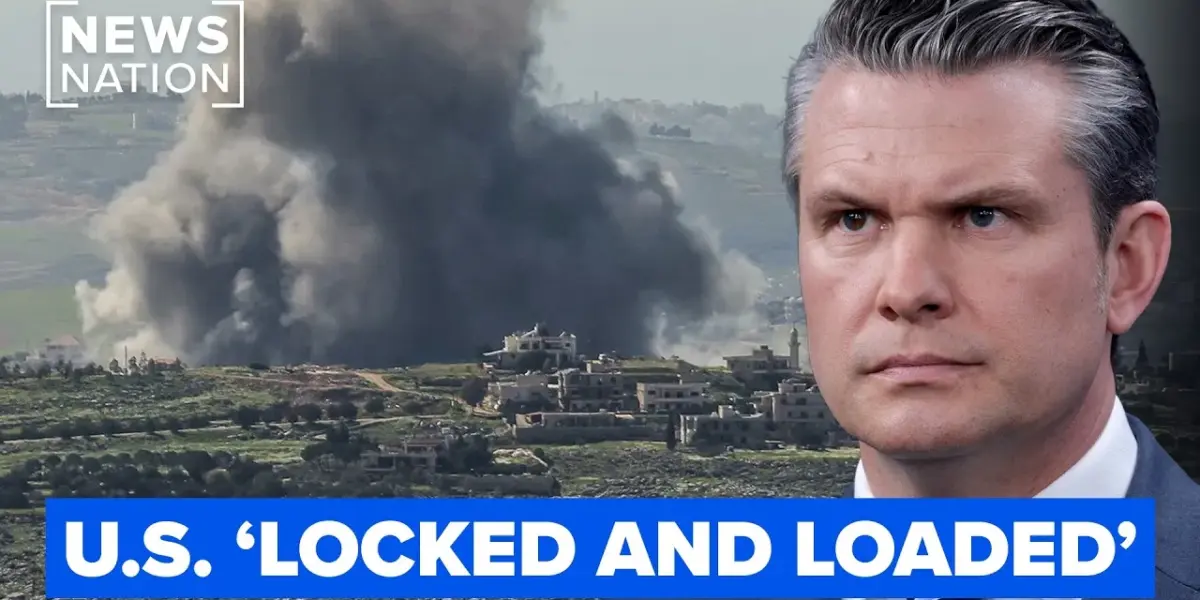
US Warns Iran: Deal or Face Military Action
The United States has issued a stark warning to Iran, signaling readiness for military action if diplomatic efforts to reach a deal fail. Secretary of War Pete Hegseth stated that the U.S. military is prepared to act at a moment’s notice. This comes as tensions rise in the Strait of Hormuz, with the U.S. enforcing a blockade on ships going to and from Iranian ports.
Iran’s military has responded by threatening to block shipping in the Gulf and Red Seas. The situation is already impacting global markets, with average gas prices hovering around $4 a gallon. This highlights the immediate economic consequences of potential conflict in the region.
Peace Talks on the Horizon?
The U.S. is pushing for a second round of negotiations with Iran, with Vice President JD Vance previously leading these efforts. While a cease-fire currently remains in place, Secretary Hegseth emphasized that the U.S. military is ready to resume operations if Iran refuses to negotiate. He urged Iran to choose a prosperous future, describing it as a ‘golden bridge’ for the people of Iran.
Mediators in the Middle East are actively working to arrange these talks, and the White House is making plans for further discussions. However, no final date has been set, and details remain unconfirmed.
Pakistani officials are also involved, attempting to bring Iran back to the negotiating table. Any future talks are likely to occur in Pakistan’s capital, but nothing is set in stone yet.
Economic Pressure Mounts
If a diplomatic solution is not reached soon, the U.S. is prepared to increase economic sanctions. Treasury Secretary Scott Bessent stated that countries buying Iranian oil, whose money is held by the U.S., will face secondary sanctions. This measure is described as a stern warning, and the U.S. intends for Iran to understand the financial consequences will be severe.
The economic strain on Iran is already visible due to the blockade of its ports. U.S. Central Command reported that since the blockade began, ten vessels have turned around, and zero ships have attempted to break through. This demonstrates the effectiveness of the U.S. strategy in applying pressure.
Historical Context: A Pattern of Tensions
The current standoff between the U.S. and Iran is part of a long history of complex relations. Following the 1979 Iranian Revolution, diplomatic ties were severed, leading to decades of mistrust and occasional confrontation. The U.S. has historically sought to curb Iran’s nuclear program and its influence in the Middle East, often through sanctions and military deterrence.
Past negotiations have been fraught with difficulty, marked by periods of intense diplomacy followed by breakdowns. The current situation echoes previous moments where economic pressure and military readiness were used as tools to compel Iran to the negotiating table. The Strait of Hormuz, a vital shipping lane, has frequently been a focal point of these tensions, given its strategic importance for global oil transport.
Why This Matters
The potential for military conflict in the Persian Gulf has far-reaching implications. A conflict could disrupt global oil supplies, leading to significant price hikes and economic instability worldwide. The Strait of Hormuz is critical, with about 30% of the world’s seaborne oil passing through it daily.
Any military engagement could have devastating humanitarian consequences and further destabilize an already volatile region. The U.S. military’s preparedness highlights the seriousness with which Washington views the current situation and its determination to prevent Iran from blocking vital shipping routes.
Implications and Future Outlook
The U.S. strategy appears to be a dual approach: offering a diplomatic path while maintaining a credible threat of force and economic sanctions. The success of this strategy hinges on Iran’s willingness to negotiate and the international community’s unified stance. If talks fail, the U.S. has signaled it will escalate pressure through expanded sanctions and potentially military means.
The coming weeks will be crucial as mediators attempt to finalize the date and location for the next round of talks. The outcome will not only shape U.S.-Iran relations but also significantly impact regional security and the global economy. The world is watching closely to see if diplomacy can prevail over conflict.
The next round of U.S.-Iran negotiations, if finalized, is expected to take place in Pakistan’s capital.
Source: Hegseth warns US is 'locked and loaded' if Iran deal isn't reached (YouTube)

Related Articles
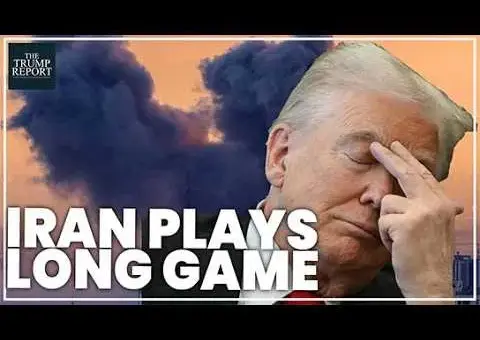
Iran’s War Strategy Outlasts US Patience
Iran's strategy of prolonging conflict to outlast US patience is a key factor in current Middle East tensions. While President Trump seeks an end, Iran aims to inflict economic pain. This analysis explores the military warnings, political fallout, and economic vulnerabilities shaping the standoff.


Iran’s AI Trolls Trump With Viral Videos
Iran is using AI-generated videos, often with a playful Lego animation style, to mock Donald Trump and his family. These viral clips aim to portray Trump as weak and out of touch, turning his own social media tactics against him in a new form of digital warfare.

Senate Rejects Halting Iran Military Action
The U.S. Senate voted 52-47 against a resolution to halt further military action against Iran. This decision allows President Trump to continue current military operations. The vote comes as tensions with Iran remain high.