Iran’s War Strategy Outlasts US Patience
Iran's strategy of prolonging conflict to outlast US patience is a key factor in current Middle East tensions. While President Trump seeks an end, Iran aims to inflict economic pain. This analysis explores the military warnings, political fallout, and economic vulnerabilities shaping the standoff.

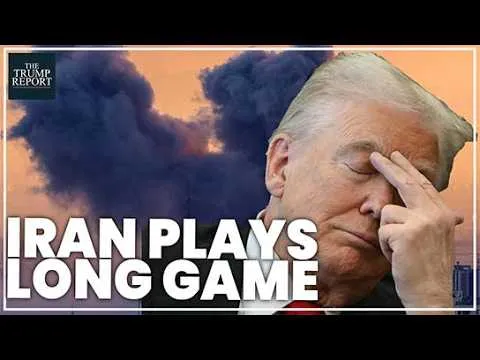
Iran’s War Strategy Outlasts US Patience
The United States has been involved in conflicts for a long time. We’ve seen this play out in places like Iraq and Afghanistan. Eventually, we get tired of these long wars and pull our troops out.
This is a key point that Iran understands very well. They believe if they can keep a conflict going long enough, the US will eventually lose interest and leave.
This idea was discussed on The Trump Report with Maddie Hail and former US Marine Hal Kemp. Kemp, a national security expert, explained that Iran’s strategy seems to be about outlasting American patience. He believes President Trump also wants to end the current situation with Iran sooner rather than later.
US Defense Secretary’s Warning
US Defense Secretary Pete Hegemon recently held a press conference. He warned Iran that American forces are ready to attack if a deal is not reached.
“We’d rather not have to do it, but we’re ready to go at the command of our president and at the push of a button,” he stated. Kemp found the phrase “choose wisely” interesting, suggesting it was meant to encourage Iran back to the negotiating table.
This tough talk comes as more US forces, including the 11th Marine Expeditionary Unit, are being sent to the Middle East. Kemp noted that while thousands of troops are mentioned, some of these forces might already be accounted for in current plans. The main goal, he believes, is to get Iran back to the negotiating table.
Political Backlash and Leadership Questions
Meanwhile, House Democrats have filed six articles of impeachment against Secretary Hegemon. These charges relate to allegations of an unauthorized Iran strike, civilian deaths, and mishandling classified information. One specific accusation involves the US killing 170 civilians, including children, on the first day of a conflict.
While these impeachment articles are unlikely to pass, they highlight growing political disagreement over the conduct and oversight of the war. Kemp acknowledged that Hegemon’s background and qualifications have been questioned before. He noted that defense secretaries don’t always have military experience, but it can help them connect with troops.
Kemp also addressed the tragic event at the school, calling it a horrible mistake and not an intentional war crime. He stressed the importance of understanding how such errors happen, drawing a parallel to past wartime mistakes.
The Troop Buildup: Escalation or Preparedness?
Reports suggest the US is sending between 6,000 to 10,000 additional naval forces to the Middle East. Some see this as a sign that conflict is on the horizon, while others, like President Trump, signal a desire for the war to end. Kemp suggested that Trump’s approach involves a large upfront show of force to push for a deal.
He also pointed out that these naval forces are primarily needed to maintain a blockade on Iranian ports. This is an asset-intensive operation that seems to be working. Regular troops, like the 11th MEU, are also being added, though Kemp felt they might have been part of earlier plans.
Iran’s Economic Strategy and Vulnerabilities
Even if Iran’s oil exports are blocked, analysts believe they could continue producing for a couple of months using stored oil. This could tighten global supply and raise prices.
However, Iran faces significant economic challenges, including 40% inflation and a falling currency. A major blow has been the successful blocking of China from taking Iranian currency for oil transfers, which represented a large portion of Iran’s oil sales.
Iran’s oil exports mainly come from Kark Island, a vulnerable point. Another port, Jas, south of the Strait of Hormuz, is also a target.
Kemp suggested that if kinetic action resumes, fuel storage facilities at Jas could be hit. Such strikes would quickly burn through stored oil, reduce storage capacity, and send a strong visual message.
A Broader Geopolitical View
Joe Kent, a former director at the National Counterterrorism Center, argued that the US is falling into an escalation trap. He believes the US should focus on realistic goals like reopening the Strait of Hormuz and stabilizing oil markets, rather than regime change. Kent also suggested de-escalating by reducing military presence and lifting sanctions, and restraining Israel to avoid being pulled into conflicts that don’t serve American interests.
Kemp, however, questioned Kent’s broader strategic thinking. He believes the conflict has larger implications involving China and global oil resources.
By cutting off Iranian oil, the US is impacting China’s ability to get cheap, sanctioned oil, which affects its competitive advantage. Kemp suggested this could teach China a lesson about its reliance on distant resources.
The Waiting Game and Potential for Conflict
Iran’s strategy appears to be a waiting game, hoping to outlast American resolve, much like in past negotiations. This approach increases the likelihood that the current ceasefire could end and kinetic action might be used to speed things up. The US has not requested an extension of the two-week ceasefire, suggesting a shift in strategy.
The situation remains tense, with both sides playing strategic moves. While President Trump may want a swift resolution, Iran’s plan to prolong the conflict and inflict economic pain continues. The ultimate outcome depends on whether US patience or Iran’s resilience will falter first.
Why This Matters
The ongoing tensions between the US and Iran have significant global implications. The potential for renewed conflict could disrupt oil markets, affecting economies worldwide.
Understanding Iran’s strategy of endurance and the US’s limited appetite for prolonged wars is crucial for analyzing the situation. It also highlights the complex interplay of military actions, economic sanctions, and diplomatic efforts in international relations.
Future Outlook
The situation remains fluid. The US faces a choice between continued economic pressure, potential military escalation, or renewed diplomatic efforts.
Iran, facing internal economic pressures and external sanctions, is likely to continue its strategy of resistance and delay. The coming weeks will be critical in determining whether a peaceful resolution can be found or if the conflict will intensify.
Source: Trump wants to end this war now – Iran has other plans | Fmr US Marine (YouTube)

Related Articles
China’s Global Reach Faces Sanctions Threat
The U.S. is imposing potential secondary sanctions on Chinese banks dealing with Iran's oil revenue, signaling a tougher stance on international financial flows. This move is part of broader concerns over China's global economic and political influence, including its technological acquisition and alleged influence operations within the U.S.

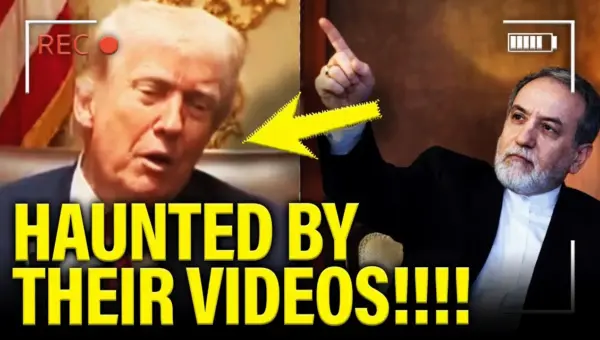
Iran’s AI Trolls Trump With Viral Videos
Iran is using AI-generated videos, often with a playful Lego animation style, to mock Donald Trump and his family. These viral clips aim to portray Trump as weak and out of touch, turning his own social media tactics against him in a new form of digital warfare.

Senate Rejects Halting Iran Military Action
The U.S. Senate voted 52-47 against a resolution to halt further military action against Iran. This decision allows President Trump to continue current military operations. The vote comes as tensions with Iran remain high.