China Gas Price Hike Sparks Panic Buying
China experienced widespread panic buying of gasoline in late March after Sinopec announced a significant price increase. Authorities later halved the hike to $0.50 per gallon, but the event highlighted consumer sensitivity to rising fuel costs driven by global events.

China Gas Price Hike Sparks Panic Buying
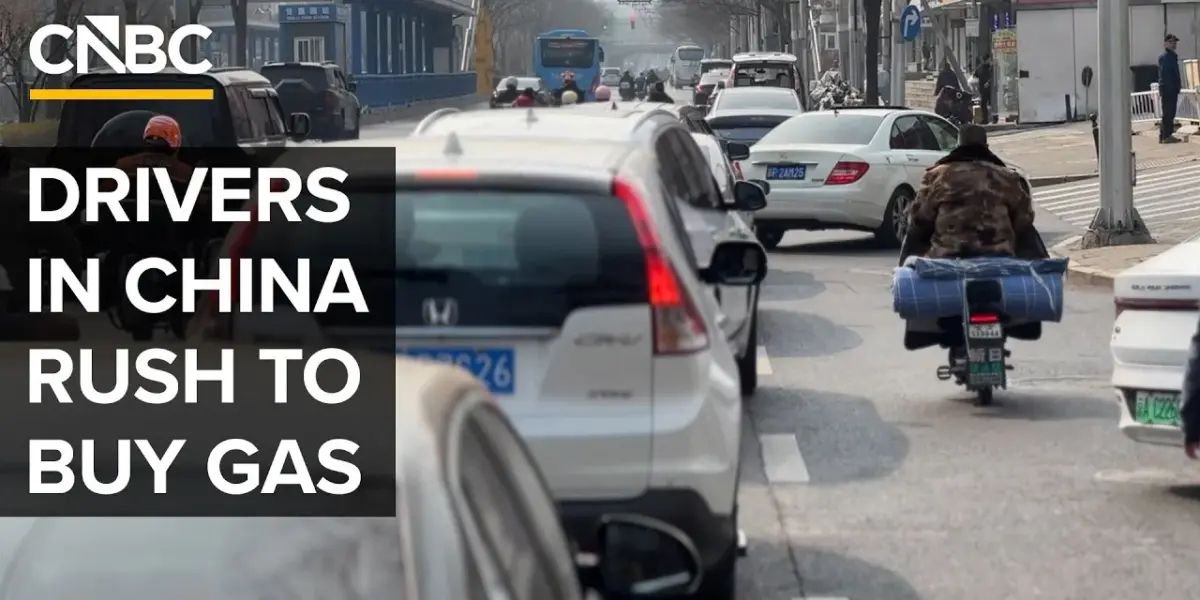
Drivers across China rushed to gas stations in late March, creating long lines and a sense of urgency. This surge in demand followed an announcement from Sinopec, China’s state-owned oil giant. The company signaled a significant increase in gasoline prices set to take effect on March 24th.
The initial notice suggested a price jump of about $1 per gallon. For a full tank, this could mean an extra $15 for many drivers. This prospect of higher fuel costs quickly led to public concern and prompted swift action from authorities.
In response to the widespread worry, officials decided to cut the planned price increase by half. The final hike was set at $0.50 per gallon. However, even this reduced amount represents a considerable extra cost for the average Chinese driver.
One driver estimated the new prices would add $300 to his monthly expenses. “This is going to have a huge impact on my life,” he stated, reflecting the sentiment of many facing increased living costs. The situation highlights how sensitive consumers are to rising energy prices.
China’s government plays a key role in setting fuel prices at the pump. Earlier in the month, officials had already raised the maximum price allowed. This decision was a response to climbing global oil prices, which have been affected by geopolitical tensions.
Market Impact
The U.S.-Israeli conflict in the Middle East has been a major factor pushing up oil prices globally. These international events directly influence the cost of fuel for consumers in China. The government’s adjustments aim to balance market realities with public affordability.
Drivers expressed frustration, with some blaming international conflicts for their current situation. “If Trump didn’t start a war and Israel didn’t start a war, I wouldn’t be sitting here all day waiting for my gas, right?” one driver commented. This sentiment shows how global politics can have a direct effect on everyday citizens.
For investors, this event highlights the volatility in energy markets. Fluctuations in crude oil prices, often driven by geopolitical events, can lead to significant price changes for consumers. This can affect spending patterns and economic activity.
The panic buying itself created a short-term surge in demand for gasoline. While authorities intervened to lessen the price shock, the underlying cause remains global oil supply concerns. Investors watch these developments closely to gauge potential impacts on energy companies and the broader economy.
The government’s decision to halve the price increase shows a commitment to managing public reaction to price changes. However, the need for such adjustments points to ongoing pressure from rising global oil costs. This delicate balance will likely continue to shape energy policy.
Looking ahead, continued instability in oil-producing regions could lead to further price pressures. Consumers may face more adjustments, and the government will need to continue managing these changes. The situation is a clear example of how interconnected global markets are with local economies.
The next official review of gasoline prices in China is scheduled for early April. Market watchers will be observing global oil price trends and geopolitical developments for clues on future price movements.
Source: Drivers In China Rush To Buy Gas Before Prices Increase (YouTube)

Related Articles

Trump Declares Iran Nuclear Threat Eliminated, Cites 90% Missile Loss
President Trump announced significant military successes against Iran, claiming a 90% reduction in their missile capabilities and halting their nuclear ambitions. He also highlighted a dramatic decrease in crime in Memphis following the implementation of a new task force. Discussions are ongoing regarding homeland security funding and voter identification requirements.


Bitcoin Surges as Geopolitical Tensions Ease
Bitcoin saw a significant recovery, trading above $70,700, as geopolitical tensions between the U.S. and Iran eased following positive diplomatic signals. This shift reversed an earlier market downturn that had impacted stocks and gold. Gold experienced a dramatic 10% price drop, contrasting with Bitcoin's resilience, which is increasingly being viewed as a portable store of value.


Iran Ignores Trump’s Threats, Keeps Strait of Hormuz Blocked
Iran has defied President Trump's threats to "obliterate" its energy infrastructure, stating that US energy assets would be targets if the Strait of Hormuz remains blocked. This comes after weekend missile attacks on Israel, which Iran claims were retaliation for strikes on its nuclear facilities. The escalating tensions center on the critical Strait of Hormuz, a vital global oil chokepoint.