Pope’s ‘Flame War’ Ignites Debate: Faith vs. Politics
A recent "flame war" between the Pope and President Trump has sparked debate on religious leaders' political involvement. While some see the Pope's words as a spiritual call, others view his follow-up tweets as direct political attacks. This raises questions about faith, politics, and the boundaries of religious authority.

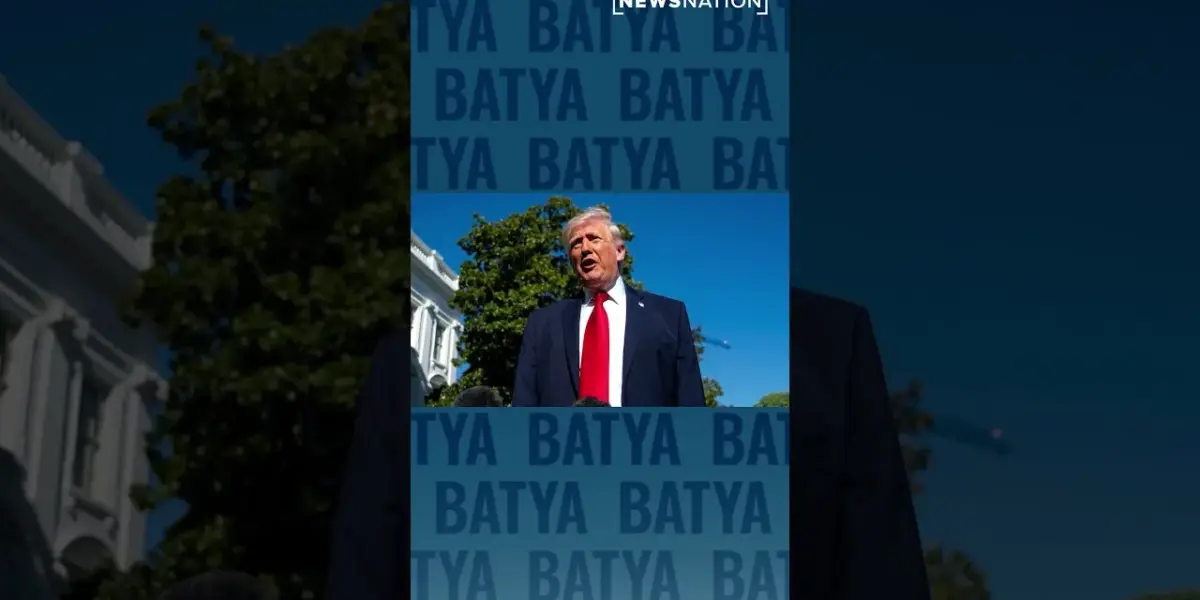
Pope’s ‘Flame War’ Ignites Debate: Faith vs. Politics
A recent exchange, dubbed a “flame war,” between the Pope and the President of the United States has stirred significant discussion about the role of religious leaders in political discourse. The tension began after Pope Leo’s Easter Mass, which many, including President Trump, interpreted as a veiled criticism of his policies. The Pope’s call for peace and for those with weapons to lay them down resonated differently with various listeners.
The President publicly voiced his strong disagreement, stating on Truth Social that the Pope was “weak on crime and terrible for foreign policy.” Trump’s remarks quickly drew criticism from some within the Catholic community. They argued that the Pope’s initial message was general and spiritual, not intended as a political jab at any specific leader.
Examining the Pope’s Follow-Up
However, the perception of the Pope’s message shifted for some by the end of the week. The Pope then issued a series of tweets that appeared to be more directly political and seemed to target President Trump. One tweet stated, “Woe to those who manipulate religion and the very name of God for their own military, economic, and political gain, dragging that which is sacred into darkness and filth.”
This follow-up message was widely seen as a direct political attack on the President. This is particularly noteworthy because President Trump still commands the support of a significant portion, around 60%, of American Catholics. This creates a complex dynamic where a spiritual leader’s words directly challenge a popular political figure among his own followers.
The Blurred Lines of Religious Leadership
The core of the debate centers on whether religious figures should engage in direct political criticism. Some believe the Pope crossed a line by moving from his spiritual role to hurl insults at a politician. They feel this action risks tarnishing the sacred nature of his position and the religious message itself.
This perspective suggests that the Pope’s actions might be seen as dragging the sacred into the “darkness and filth” of political conflict. It raises questions about the appropriate boundaries for religious leaders when addressing contemporary political issues and leaders. The expectation for many is that spiritual leaders should guide their flocks with moral principles, not engage in partisan attacks.
Historical Context of Religious Influence
Throughout history, religious leaders have often played significant roles in political and social movements. Figures like Martin Luther King Jr. used religious principles to advocate for civil rights, demonstrating how faith can inspire profound social change. Similarly, religious figures have historically advised rulers or, at times, openly challenged them on moral grounds.
However, the nature of this engagement has varied greatly. Some religious leaders have acted as moral compasses, offering guidance on ethical issues without directly endorsing or condemning specific politicians or parties. Others have been more directly involved, leading movements or issuing strong pronouncements that have shaped political outcomes.
Divergent Interpretations of the Pope’s Words
The initial Easter message, for instance, was a call to peace. Yet, the context in which it was delivered and the ongoing political climate led to its interpretation as a critique. The Pope’s subsequent tweets solidified this view for many, making the political intent harder to dismiss as mere spiritual guidance.
The question arises: was the Pope’s intention to correct a perceived misuse of religion for political gain, or was it a strategic political move? The distinction is crucial for understanding the implications of his actions and the reactions they have provoked. Different people, even within the same faith, can interpret the same message in vastly different ways.
Why This Matters
This situation highlights a recurring tension in many societies: the relationship between religious authority and political power. When religious leaders engage in political discourse, especially criticism, it can alienate some followers and raise questions about their impartiality.
It also prompts reflection on how political leaders use or are perceived to use religious rhetoric. The Pope’s accusation of manipulating religion for gain directly addresses this concern. The debate is not just about the Pope and Trump, but about the broader implications for faith communities and public life.
Implications and Future Outlook
The Pope’s direct engagement with a political figure like Trump could set a precedent. It might encourage other religious leaders to speak more forcefully on political matters, potentially leading to increased politicization within religious institutions.
Conversely, it could also lead to a backlash, with more people seeking a clearer separation between religious guidance and political campaigning. The long-term effect on the Catholic Church’s influence and public perception remains to be seen.
The upcoming actions and statements from both the Pope and President Trump will be closely watched. The way these religious and political figures navigate this sensitive intersection will continue to shape public opinion and discourse.
Source: The pope’s ‘flame war’ with Trump: Batya (YouTube)

Related Articles
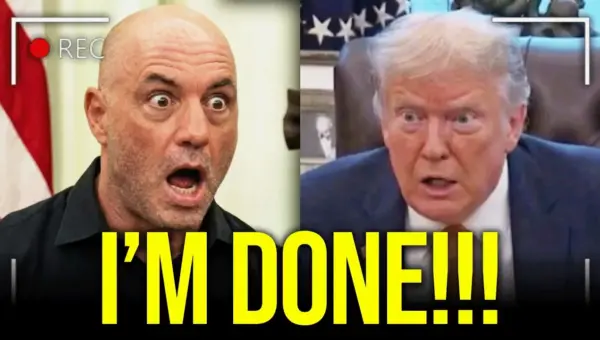
Rogan’s White House Visit Sparks Debate on Trump’s Political Standing
Joe Rogan's appearance at a White House event signing an executive order with Donald Trump sparks debate. Despite Rogan's past criticisms of Trump's administration, his presence suggests a complex political maneuver. The analysis explores Trump's declining poll numbers, his perceived cognitive state, and the broader implications for the Republican party.
Pope Condemns Trump’s War, Draft Fears Rise
The Pope has publicly condemned Trump's potential war and the idea of a military draft, urging for peace. Meanwhile, Republicans face voter anger over the conflict, with many avoiding town halls. Concerns are rising about the war's origins, strategy, and the potential return of conscription, highlighting the importance of the upcoming elections.
GOP’s Trump Loyalty Now Fuels Their Own Election Woes
Republicans' decision to back Donald Trump on a controversial war has backfired, hurting their own election chances. Their fear of Trump leads them to sacrifice their independence and electoral prospects. This strategy risks alienating voters who are experiencing real economic pain and moral concerns.