Gen Z Shifts From Degrees to Trades, Boosting Skilled Labor
Generation Z is increasingly turning away from four-year college degrees towards skilled trades and entrepreneurship. Mike Rowe's $10 million scholarship fund highlights this shift, supporting vocational training. This trend offers a path to financial independence with less debt.


Gen Z Eyes Skilled Trades Over College Degrees
A growing number of young people, particularly those in Generation Z, are looking past the traditional four-year college degree. They are increasingly drawn to skilled trades and entrepreneurial paths. This shift signals a significant change in how the next generation views career success and financial well-being.
The traditional push for a college education is losing its appeal for many. This is partly due to the significant student loan debt associated with degrees.
Many young adults want to avoid this financial burden. They are seeking careers that offer quicker financial independence and job satisfaction.
Investing in the Future of Work
Mike Rowe, host of the TV show “Dirty Jobs,” is doubling down on his support for trade careers. He is increasing his scholarship fund to $10 million.
This investment highlights a strong belief in the value and future of skilled labor. This initiative aims to provide financial support for individuals pursuing vocational training.
Rowe’s foundation is investing hundreds of millions of dollars into trade education programs. This effort directly supports a generation that is choosing practical skills over traditional academic routes. It’s a clear signal of confidence in the skilled trades sector.
Why Trades Appeal to Gen Z
Many young people today express a desire to do something different from the typical corporate jobs their parents pursued. They are interested in hands-on work or starting their own businesses. This entrepreneurial spirit is a key driver behind the move towards trades and self-employment.
These individuals are not looking to take on massive debt for a degree they may not fully utilize. They see opportunities in trades that allow for a good income without the financial strain of student loans. This practical approach to career planning is a hallmark of Gen Z’s financial outlook.
Challenging the College-Centric System
The current system heavily favors college education, often making it seem like the only path to success. Parents and schools are often geared towards pushing students towards four-year universities. Government funding and school programs create strong pipelines directing students toward college.
However, there is a growing movement to level the playing field. Advocates are working to ensure that vocational training and trade schools receive similar attention and resources. They believe high school students should have equal advantages when considering all post-graduation options.
The Value of Trade Education and Networks
Some educational institutions are starting to bring tradespeople into schools to talk about their careers. These firsthand accounts are crucial for showing students the reality and rewards of skilled professions. Understanding what these jobs truly entail is key to making informed decisions.
While prestigious universities offer valuable networks, the same can be built through trade associations and entrepreneurial communities. The ability to connect with mentors and potential investors is vital for starting new ventures. This network access is a key benefit often associated with college but is achievable through other avenues.
Long-Term Benefits of Skilled Trades
Choosing a trade you enjoy can lead to significant success and fulfillment. Unlike the one-in-a-million success stories of venture capital-backed startups, skilled trades offer a more accessible path to prosperity for the average person. This route avoids the crippling debt that can plague college graduates.
Trade careers can offer flexible schedules and the ability to work on one’s own terms. With potential tax breaks from supportive government policies, individuals in trades can build thriving businesses. These earnings can often surpass those of individuals in lower-level management positions with limited career growth.
High Demand for Skilled Workers
The demand for plumbers and electricians, for example, is extremely high. Many are booked solid with jobs, sometimes turning away customers. This high demand means consistent work and good income for those in these professions.
The success of these tradespeople is evident in their busy schedules. They are not struggling to find work; they are thriving because their skills are essential and highly sought after.
Tech Companies Embrace On-the-Job Training
Major tech companies are increasingly recognizing the value of hiring individuals without traditional degrees. They are actively seeking to train people directly for roles in areas like data centers and software engineering.
Companies such as Amazon Web Services and Microsoft are offering apprenticeship and fellowship programs. These initiatives provide opportunities for non-traditional candidates to gain valuable skills. This approach helps individuals avoid significant student debt while entering high-demand tech fields.
Learning Through Experience
Valuable learning can happen outside of formal education. Some individuals with non-traditional backgrounds have found success by being taught on the job. This demonstrates that intelligence and capability can be nurtured through practical experience.
One anecdote highlights a history major who was hired by a hedge fund and taught the necessary financial skills. This experience shows the power of employers investing in smart, adaptable individuals, even without a specific degree.
Early Financial Literacy for Teens
New brokerage accounts are allowing teenagers to trade stocks with parental approval. This development aims to introduce young people to investing early on. The goal is to foster financial literacy and responsible money management skills from a young age.
By giving teenagers a small amount of money to invest, they can learn through trial and error. Experiencing potential losses, even small ones, can be a powerful teacher. This hands-on approach helps them understand the risks and rewards of investing.
Building Financial Conversations
These teen investment accounts can open important dialogues between parents and children about money. When young people are involved in investing, they are more likely to ask questions and seek guidance. This creates opportunities for ongoing financial education at home.
When children understand the basics of investing and learn from their mistakes, they are better prepared for future financial success. These conversations can become regular family discussions, building a foundation for financial well-being.
Learning from Investment Choices
Even when initial investment choices don’t pan out, like buying stock in Papa John’s, the learning experience is valuable. Parents can guide their children on how to approach future investments with more informed decisions.
The ability for teens to manage their own investment accounts, with oversight, allows them to take ownership of their financial journey. Learning to invest, even through early mistakes, is a critical step towards financial independence.
Inspiring Stories of Early Investors
The CEO of Red Lobster, who started investing in high school, is an example of early financial engagement. Unable to invest in real estate directly, he turned to stocks. This early exposure to investing set him on a path toward significant financial success.
Starting investment accounts at a young age can make individuals more comfortable and knowledgeable about financial markets. This familiarity can lead to greater confidence and better decision-making throughout their lives.
The Future of Financial Engagement
As more young people embrace trades and entrepreneurship, and as financial education becomes more accessible, the landscape of career and investment is shifting. The focus is moving towards practical skills, early financial literacy, and hands-on experience.
The trend of Gen Z prioritizing trades and early investing suggests a future where practical skills and financial know-how are valued as highly as traditional academic achievements. This evolution promises a more diverse and potentially more financially stable generation.
Source: MAJOR SHIFT: Gen Z ditching office jobs and degrees for trades (YouTube)

Related Articles


Lowe’s Bets on Kids, Gen Z for Future Sales Growth
Lowe's is revamping its kids club and working with influencers to attract younger shoppers amid a slowdown in homebuying. The company hopes to build long-term loyalty with children and Gen Z as the median age for first-time homebuyers hits a record high of 40.


Gen Z Poll Reveals Stark Divide on Israel-Palestine Conflict
A new NBC News poll reveals a significant generational split on the Israel-Palestine conflict, with three-quarters of Gen Z sympathizing more with Palestinians. Overall, adults are evenly divided, but partisan and age differences are pronounced. The poll also highlights ongoing public concerns about inflation and the handling of the war in Iran.

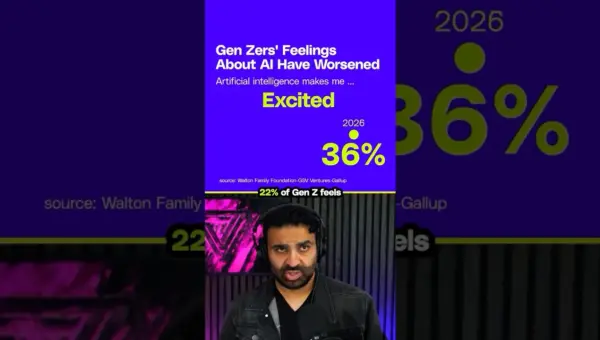
Gen Z’s AI Enthusiasm Dips Sharply
New data shows Gen Z's excitement for AI has sharply declined, with anxiety and anger on the rise. This contrasts with AI experts' high optimism about the technology's impact on jobs. Bridging this perception gap is crucial for AI's future.