Iran’s ‘Mosquito Fleet’ Still Threatens Global Shipping
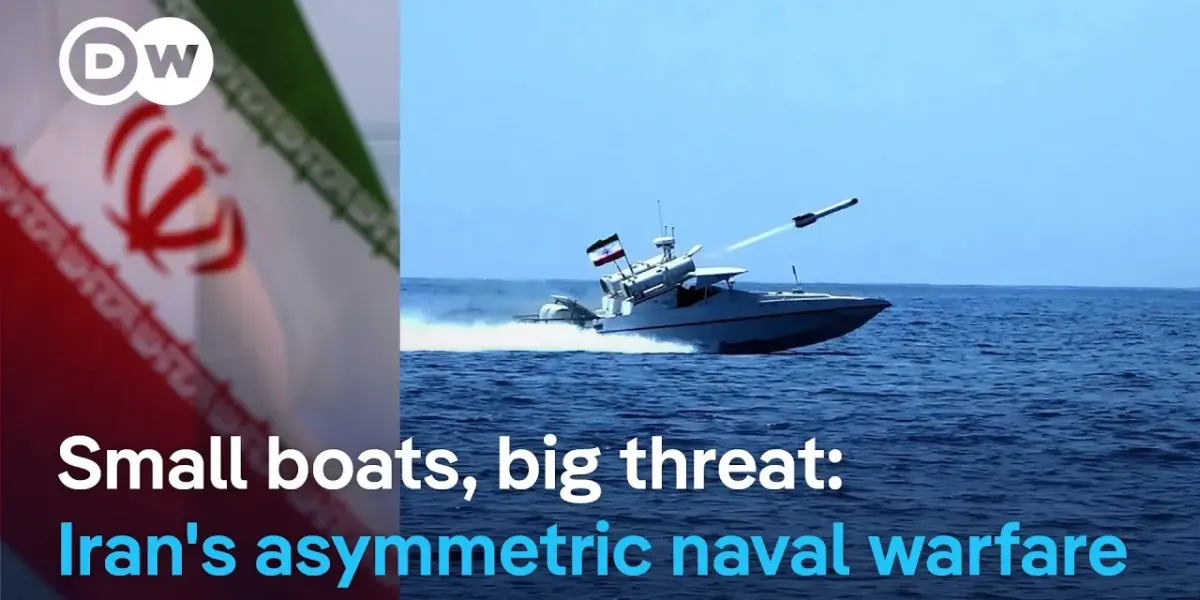
Iran's Islamic Revolutionary Guard Corps (IRGC) continues to threaten global shipping in the Strait of Hormuz with its 'mosquito fleet' of fast boats and drone vessels. Despite US claims of crippling Iran's navy, these asymmetric tactics, including the potential use of advanced mines, pose a persistent danger to maritime traffic and global energy supplies.

Iran’s Naval Power in Strait of Hormuz Questioned After US Strikes
Despite claims that the United States has crippled Iran’s naval and air defenses, Iranian forces continue to pose a significant threat to global shipping, particularly in the vital Strait of Hormuz. Security experts report that several ships were targeted by Iranian forces on a recent Saturday, highlighting the persistent danger even after international pressure.
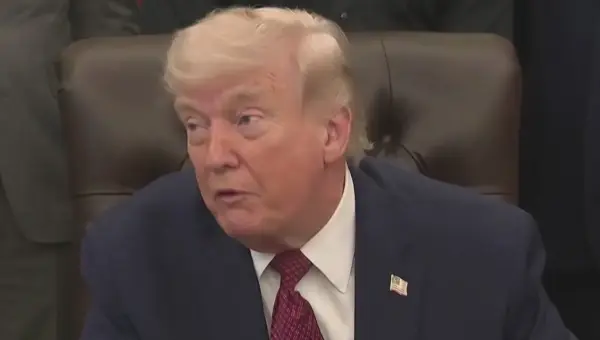
While former President Donald Trump asserted that Iran “has no navy. They have no air force. They have no leaders.
They have no nothing,” this assessment overlooks the capabilities of Iran’s Islamic Revolutionary Guard Corps (IRGC). The IRGC operates a distinct naval force, often referred to as the “mosquito fleet,” which remains a primary concern for safe passage through the strait.
The ‘Mosquito Fleet’: Iran’s Asymmetric Naval Strategy
The backbone of the IRGC’s naval power lies in its small, fast boats. These vessels, despite often being lightly armed with machine guns, can intimidate and harass commercial shipping.
Some are equipped with more serious weaponry, including rocket launchers and anti-ship missiles with ranges exceeding 30 kilometers. A select few can even launch torpedoes.
This fleet also includes a large number of unmanned drone explosive boats. These bear a striking resemblance to the unmanned vessels successfully used by Ukraine in the Black Sea. The International Maritime Agency has documented at least 20 vessels attacked during recent conflicts, with strong indications that the IRGC’s naval forces were responsible for most of these strikes.
Targeting Commercial Vessels
Attacks have targeted Iraqi tankers loading at terminals in the Persian Gulf, as well as ships near the Emirati coast and even close to Omani waters. These assaults have been carried out using rocket launchers and drone boats. The IRGC’s strategy often involves individual attacks or coordinated “swarm tactics,” earning them the “mosquito fleet” moniker.
The IRGC’s naval forces are seen as the key to Iran’s ability to use the Strait of Hormuz as leverage. Even with ongoing naval blockades and operations by the US Navy, Tehran aims to reassert control through measured escalations.
The Threat of Naval Mines
Concerns also persist about Iran’s potential use of naval mines. While many of Iran’s larger mine-laying vessels may have been destroyed, the IRGC can employ smaller boats to deploy mines. Any small vessel can drop between two to four mines into the water, posing a significant risk.
Iran possesses various types of mines. Traditional floating mines, moved by water currents, can be equipped with GPS locators.
This allows the IRGC to track their location and detonate them remotely when ships are in desired areas, such as anchorages in Fujairah or Khor Fakkan. They can also deactivate these mines remotely.
Advanced Mine Warfare Capabilities
Beyond floating mines, Iran also utilizes bottom mines. These lie on the seabed and can be activated by pressure changes, magnetic fields from passing ships, or acoustic signals from propellers. Some of these bottom mines can be remotely controlled and lie dormant until activated by the IRGC.
These advanced capabilities are particularly relevant for defensive purposes around Iranian islands in shallower waters. The IRGC can strategically deploy and activate these mines to deter or attack approaching vessels.
Challenges in Neutralizing Iran’s Naval Assets
Despite efforts by the US and Israel to dismantle Iran’s naval capabilities, challenges remain. While many IRGC speedboats have been destroyed, a significant number are hidden within extensive tunnel complexes. It is unclear how many of these complexes have been targeted or disabled.
The IRGC’s ability to conceal and deploy these assets from hidden locations makes complete neutralization difficult. If a second phase of conflict were to erupt, these tunnel complexes and the forces within them would likely become high-priority targets.
Ensuring Safe Passage
Ensuring safe passage through the Strait of Hormuz and safeguarding global energy supplies requires continued vigilance and strategic action. The persistent threat posed by Iran’s asymmetric naval forces necessitates ongoing international cooperation and robust maritime security measures.
The IRGC’s continued ability to disrupt shipping, even with limited conventional naval power, highlights the complex geopolitical challenges in the region. Future actions will likely focus on countering these unconventional threats and maintaining freedom of navigation.
Source: Inside Iran's naval playbook: How Tehran still wields power in the Strait of Hormuz | DW News (YouTube)

Related Articles


Sailors Trapped on ‘Floating Prisons’ Amid Hormuz Strait Crisis
Thousands of sailors are trapped on ships in the Persian Gulf, facing fear and boredom as the Strait of Hormuz remains a critical flashpoint. Geopolitical tensions have turned vessels into 'floating prisons,' with crews unable to disembark amid ongoing conflict. International efforts are underway to reopen the vital shipping route, but the situation remains volatile.

Strait of Hormuz Tensions Flare: A Tightrope Walk to Peace
Tensions are high in the Strait of Hormuz as Iran reportedly fires on ships after claiming the waterway was open. The U.S. military is preparing to board Iranian-linked vessels amid a naval blockade. A fragile cease-fire deadline approaches, with President Trump warning of renewed conflict if no deal is reached.

Iran’s Strait of Hormuz Gambit: Power Play or Desperate Move?
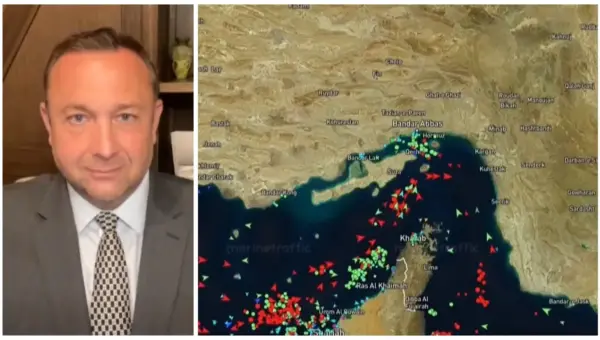
Iran's fluctuating stance on the Strait of Hormuz suggests a strategic bid for negotiation leverage rather than internal conflict. Analysts believe Iran is using its ability to disrupt shipping as a bargaining chip, while the US considers options like port blockades and targeted strikes. The coming days are critical as a deadline looms, potentially determining the path towards diplomacy or renewed military action.