US Naval Blockade Tightens Grip on Iran Amid Ceasefire Hopes
The White House has implemented a strict naval blockade against Iran following failed peace talks. Concurrently, President Trump announced a ceasefire between Israel and Lebanon, while also championing domestic energy projects and economic policies.


US Tightens Noose on Iran with Naval Blockade
The White House has announced a significant naval blockade targeting Iran, a move that signals a sharp escalation in tensions. This action comes after peace talks in Pakistan failed to yield any agreement, indicating a shift towards a more forceful approach. The blockade applies to all ships, regardless of their nationality, attempting to enter or leave Iranian ports.
US forces have already begun enforcing the blockade, turning back multiple vessels and escorting them away. Secretary of War Pete Hegseth issued a stern warning to Iran’s new regime, emphasizing the vast military superiority of the United States. He made it clear that any confrontation would not be a fair fight, highlighting the administration’s resolve.
President Signals End to Iran Conflict, Praises Economy
Despite the aggressive posture, President Trump expressed optimism about the conflict with Iran, suggesting it is progressing well and could conclude soon. Speaking in Las Vegas, he stated the war was going “swimmingly” and predicted its end. The President also touted the US economy, claiming it was the best in the nation’s history during his first term and is now performing even better.
The economic optimism was echoed by citizens like Nicole Williams, a Las Vegas bartender. She expressed gratitude for the “great big beautiful bill” which eliminated taxes on tips, allowing her to save more money. Her experience highlights how legislative changes, even those related to foreign policy diversions, can directly impact the lives of everyday Americans.
First Lady Champions Foster Care Reform
First Lady Melania Trump has been actively advocating for improvements in the foster care system. She recently visited Capitol Hill to push for reforms aimed at better supporting children who are aging out of foster care. Her efforts underscore a commitment to safeguarding the well-being of vulnerable youth, which she believes is crucial for the nation’s integrity.
Operation Economic Fury Targets Iranian Funding
The administration has launched “Operation Economic Fury” against Iran, a multi-pronged strategy to cripple its financial capabilities. A key element of this operation involves targeting Iran’s support for terrorist organizations. The recent military strike that killed three drug traffickers operating a vessel in the Eastern Pacific is part of this broader effort.
Treasury Secretary Scott Bessent indicated that Iran’s decision to bomb neighboring Gulf countries has made them more receptive to scrutinizing Iranian officials’ assets held in their banks. This cooperation is expected to help cut off financial lifelines for the Iranian regime, further isolating it economically.
New Energy Infrastructure Projects Unveiled
In parallel with foreign policy actions, the White House is also focusing on domestic energy development. President Trump has approved several pipeline permits to increase oil transport capacity between the United States and Canada. This move is intended to boost energy independence and economic ties.
Cabinet members recently broke ground on a project to bring natural gas from Pennsylvania to New York. This initiative is expected to lower energy costs for millions of New Yorkers by utilizing American energy resources. The project was specifically driven by President Trump’s commitment to expanding domestic energy production.
Ceasefire Secured Between Israel and Lebanon
In a diplomatic success, President Trump announced that the leaders of Israel and Lebanon have agreed to a ceasefire. He shared this news on Truth Social, noting it as the tenth conflict he has resolved during his presidency. This achievement highlights a focus on de-escalation and conflict resolution alongside the more assertive actions taken against Iran.
Why This Matters
The White House’s actions this week present a complex picture of the administration’s priorities. The aggressive naval blockade against Iran signals a willingness to use significant economic and military pressure to achieve foreign policy goals. This approach, while potentially effective in isolating Iran, carries inherent risks of further conflict and regional instability.
Simultaneously, the administration is highlighting domestic economic strengths and legislative wins, such as tax relief for workers and support for energy infrastructure. The focus on initiatives like the foster care reform and the successful negotiation of a ceasefire between Israel and Lebanon suggests a broader strategy that balances assertive measures with diplomatic engagement and social progress.
Looking Ahead
The effectiveness of the naval blockade in altering Iran’s behavior remains to be seen. However, the administration’s clear message of deterrence, coupled with “Operation Economic Fury,” suggests a sustained effort to pressure the Iranian regime. The success of the Israel-Lebanon ceasefire could set a precedent for future diplomatic interventions.
Domestically, the focus on energy independence and economic policies like tax reform will likely continue to be central themes. The administration’s ability to manage international conflicts while fostering economic growth and addressing social issues will be key to its overall legacy. The coming weeks will reveal how these varied initiatives unfold and impact both the global stage and the lives of Americans.
Source: White House Week in Review: Naval Blockade, Ceasefire, Natural Gas Pipeline Extension into New York (YouTube)

Related Articles


Iran Hides Missiles as War Clouds Gather
As a ceasefire nears its end, Iran is reportedly moving its ballistic missiles to hidden locations, signaling potential preparations for renewed conflict. The U.S. military stands ready to resume bombing campaigns if necessary, while diplomatic efforts face uncertainty with Iran's response to peace talks still pending. China's alleged involvement in supplying missile parts adds another layer of complexity to the volatile situation.
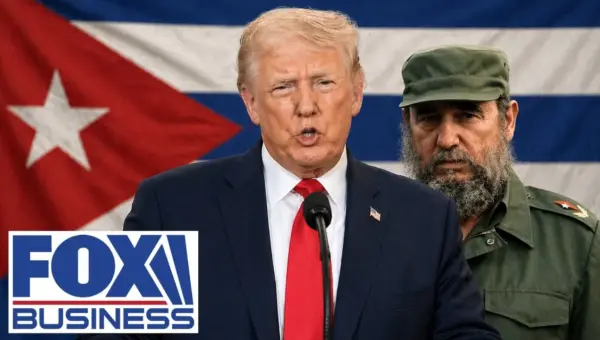
Cuba Faces Ultimatum: US Offers Deal Window
The U.S. State Department has issued an ultimatum to Cuba, signaling a closing window for a potential deal. Meanwhile, Representative Nicole Malliotakis is raising alarms about potentially inflated contracts for New York City homeless shelters, questioning how taxpayer money is being spent.
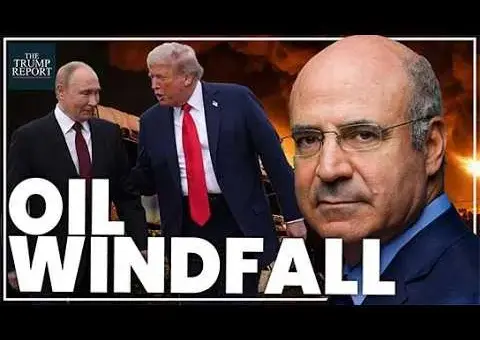
Iran War Fuels Russia’s Economy, Hurts US Goals
The Iran conflict has unexpectedly boosted Russia's economy by increasing oil revenues and creating a complex geopolitical situation. While the U.S. aims to stabilize oil prices, its actions inadvertently benefit Russia, raising questions about international policy effectiveness.