Oil Prices Surge 15% as Iran Threatens Strait of Hormuz Closure
Iran's threat to close the Strait of Hormuz has sent oil prices soaring 15%, igniting fears of global recession and stagflation. The critical energy chokepoint's potential closure could disrupt supply chains for oil, gas, and essential goods, impacting inflation and consumer spending worldwide. Historical data suggests markets recover from geopolitical events, but the immediate economic fallout remains a significant concern for investors.


Global Markets Brace for Impact as Geopolitical Tensions Escalate
Global financial markets are experiencing significant volatility as tensions between the United States and Iran reach a critical juncture. Coordinated strikes by the U.S. And Israel targeting Iran’s nuclear facilities and naval assets in the Persian Gulf have prompted a swift and severe retaliation from Iran. The immediate consequence has been Iran’s threat to close the strategically vital Strait of Hormuz, a move that has sent oil prices soaring and sparked fears of widespread economic disruption.
The Strait of Hormuz: A Critical Global Chokepoint
The Strait of Hormuz, a narrow waterway connecting the Persian Gulf to the open ocean, is a linchpin of global energy supply. Approximately one-fifth of the world’s oil supply and one-third of global natural gas pass through this critical chokepoint daily. Its strategic importance is underscored by the fact that it is surrounded by major oil-producing nations, and Iran wields significant influence over maritime traffic within its waters.
Under the United Nations Convention on the Law of the Sea, the principle of ‘transit passage’ allows commercial vessels to navigate such international straits. However, Iran has not ratified this agreement, leaving open the possibility of it restricting or blocking passage through its territorial waters. The recent threat to close the strait entirely, even if only temporary, has had an immediate and dramatic impact on energy markets.
Oil Prices Skyrocket Amidst Supply Fears
The mere risk of a closure in the Strait of Hormuz caused oil prices to surge by approximately 15% in a single day. Analysts at J.P. Morgan have warned that prolonged closure could push oil prices as high as $130 per barrel.
The United States, being the world’s largest consumer of oil, relies on imports to meet its daily demand of nearly 20 million barrels, producing only 18.6 million barrels domestically. A disruption at Hormuz would force the U.S. To seek alternative, potentially more expensive, suppliers like Canada and Mexico.
The Federal Reserve estimates that every $10 increase in crude oil prices can contribute to a 2% rise in inflation. Beyond direct crude oil supply, the ripple effects extend to increased shipping costs, higher prices for raw materials, and more expensive transportation, impacting virtually every sector of the economy.
Market Scenarios and Potential Economic Fallout
The unfolding situation presents several potential pathways, each with distinct economic implications:
- Path 1: Containment: In this optimistic scenario, de-escalation occurs within days to a week. While some minor retaliations and slight price increases for oil and gas might occur, markets could stabilize relatively quickly with only marginal inflationary pressure.
- Path 2: Escalation: If the conflict persists for weeks or months, with peace talks failing, energy infrastructure and shipping routes could face significant disruptions. Insurance costs for transit through the region would rise, making oil transportation economically unviable even without a full blockade. This could lead to substantial oil price hikes, a return of inflation, and a potential decline in Gross Domestic Product (GDP). The Federal Reserve could find itself in a difficult position, unable to lower interest rates due to persistent inflation, despite economic contraction, leading to stagflation.
- Path 3: Shutdown: The most severe scenario involves Iran successfully blocking the Strait of Hormuz. This would put 15 to 18 million barrels of oil per day at risk, with few viable alternatives. The consequences would extend far beyond oil, impacting the supply chains for groceries, building materials, fertilizers, and countless other goods. A 5% increase in oil prices could translate to a 0.1 percentage point increase in inflation, with effects seen within approximately four weeks. Food prices, already a concern, could rise further, exacerbated by disruptions in fertilizer transport. For a typical household with two drivers, a $10-$20 per barrel increase in oil prices could add $200 to $500 or more annually to expenses.
Investor Outlook and Historical Context
Historically, periods of geopolitical crisis have often seen a strengthening of the U.S. Dollar as investors seek a safe haven. However, the long-term outlook for the dollar may be impacted by increased money printing.
Mortgage rates could see a short-term dip due to a flight to safety pushing Treasury yields down. Yet, sustained inflation stemming from the conflict could prevent the Federal Reserve from cutting interest rates, potentially leading to higher rates for an extended period.
The financial impact of such events disproportionately affects low- and middle-income households, as energy costs constitute a larger portion of their budget. This can create a negative feedback loop, reducing consumer spending and further slowing economic growth.
Despite the immediate market turmoil, historical data offers some perspective for investors. Analysis of geopolitical events since World War II suggests that stock markets have, on average, been approximately 5% higher six months later.
While February and March can be weaker months, the trend has historically resumed an upward trajectory. Every major geopolitical event analyzed has ultimately been followed by a stock market increase, suggesting that panic selling may not be the optimal strategy.
Historical data on U.S. Presidential cycles indicates that midterm years, such as 2026, often experience the largest intra-year pullbacks. However, the year following these midterm lows has never seen the stock market close lower. The average return in the 12 months following a midterm year bottom has been a substantial 31.7%, with 68% of these periods seeing returns of 30% or more.
What Investors Should Know
The current geopolitical situation presents a complex and uncertain environment for markets. The potential closure of the Strait of Hormuz poses a significant risk to global energy supplies and could trigger substantial inflation.
While historical precedent suggests that markets tend to recover from geopolitical shocks over the medium to long term, the immediate impact can be severe. Investors are advised to monitor developments closely, understand the potential economic ramifications, and consider their long-term investment strategies in light of historical market resilience.
Source: BREAKING: Trump Strikes Back Against Iran – Stocks, Gold, and Oil Prices Skyrocket! (YouTube)

Related Articles


Oil Surges Past $115 as Iran Conflict Hits Energy Hubs
Oil prices have surged past $115 per barrel as direct attacks on critical energy infrastructure in the Middle East escalate. European gas prices have nearly tripled, impacting electricity costs and global inflation. This spreading conflict threatens economic growth as central banks face pressure to raise interest rates.


Bitcoin Plunges Amid Geopolitical Fears, Oil Surges
Bitcoin and major stock indices are experiencing sharp declines amid escalating geopolitical tensions and concerns over rising inflation. While the energy sector is surging, cryptocurrencies are showing significant weakness, with analysts warning of potential further downside for Bitcoin. Market participants are closely watching global events and central bank policy for direction.
Oil Prices Spike After Attacks on Energy Sites
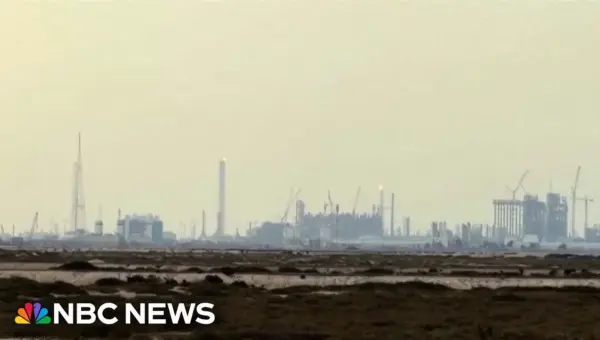
Oil prices surged this week following a wave of U.S. airstrikes in Iran and attacks on energy sites in Qatar. Vice President Vance called the price increases a 'temporary blip,' while intelligence briefings revealed disagreements over the immediacy of the threat from Iran. Military actions targeted missile facilities along the Strait of Hormuz.