Climate Change Rewrites Global Wine Map
Climate change is dramatically reshaping the global wine industry, forcing winemakers to adapt to extreme weather and changing conditions. From drought-stricken vineyards in Chile to emerging wine regions in Germany, the world's wine map is being redrawn by rising temperatures and water scarcity.

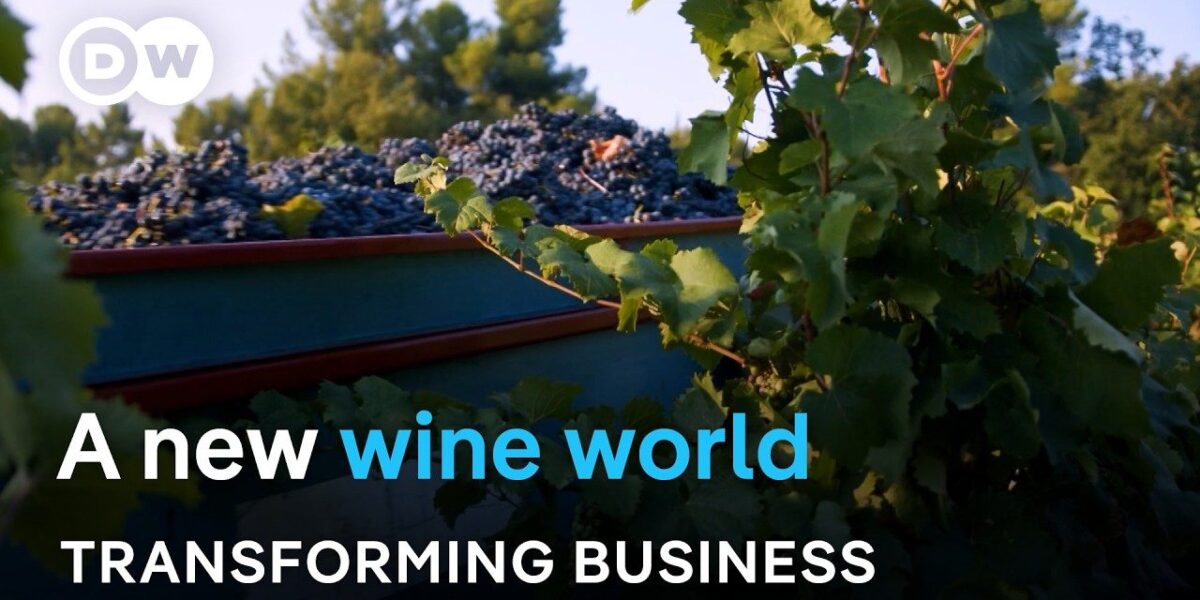
Climate Change Rewrites Global Wine Map
The global wine industry, intrinsically linked to stable climatic conditions, is facing unprecedented disruption as climate change alters traditional winemaking regions and creates new opportunities. From the aridifying vineyards of Chile to the unexpectedly warming climates of Germany, winemakers worldwide are grappling with extreme weather, water scarcity, and rising temperatures, forcing them to innovate or risk obsolescence. This transformation is quietly redrawing the established map of global wine production.
Wine on the Climate Edge
Wine production is exceptionally sensitive to climate. Grapevies require specific temperature ranges, rainfall patterns, and sunlight hours to thrive and produce the quality grapes essential for distinctive wines.
Historically, these ideal conditions have dictated where major wine-producing regions could flourish. However, the escalating impacts of climate change are pushing these parameters to their limits, creating a precarious situation for many established wine countries while opening doors for others.
Chile: A Wine Giant Under Pressure
Chile, a South American powerhouse renowned for its premium wines, is experiencing firsthand the challenges posed by a changing climate. The country’s long, narrow geography stretches across diverse latitudes, but much of its key wine-producing areas, particularly in the central regions, are facing increasingly severe droughts and water scarcity. The Andes mountains, traditionally a source of meltwater for irrigation, are experiencing reduced snowfall, exacerbating the water deficit.
Chile: Adapting to Survive
In response to these existential threats, Chilean winemakers are implementing a range of adaptive strategies. The traditional reliance on abundant water resources is no longer sustainable.
Consequently, many are investing in advanced irrigation technologies, such as drip irrigation, to minimize water waste. There’s also a growing focus on drought-resistant grape varietals and rootstocks that can better withstand arid conditions.
Beyond technological solutions, a significant shift is occurring towards more sustainable and climate-resilient viticultural practices. This includes embracing agroecology, a farming approach that mimics natural ecosystems to enhance biodiversity and soil health, making vineyards more robust against environmental stresses. Some producers are exploring mist and fog capture systems in coastal areas, a traditional method that is gaining renewed importance as a water source.
The challenges are forcing a re-evaluation of where grapes can be grown most effectively. Some vineyards are moving to higher altitudes or further south, seeking cooler microclimates.
This geographical shift is not only about adapting to heat and drought but also about preserving the unique terroir and flavor profiles that have made Chilean wines famous. The industry is learning to operate on the edge, balancing the risks of extreme weather with the urgent need for adaptation to ensure its future.
Germany: Adapting to Win
While regions like Chile face the challenge of too little water, other areas are experiencing the opposite effect, creating new opportunities. Germany, traditionally known for its cool-climate white wines, particularly Riesling, is witnessing a significant warming trend. This elevated temperature is proving beneficial for grape maturation, allowing for fuller ripeness and the production of wines with higher alcohol content and different flavor profiles.
The warming climate is enabling German winemakers to experiment with red grape varietals that previously struggled to ripen consistently. Varieties like Pinot Noir (Spätburgunder) are now producing more complex and age-worthy wines. The possibility of cultivating new, warmer-climate grape varietals is being explored, potentially expanding Germany’s wine portfolio and international competitiveness.
This climatic shift presents a unique opportunity for German viticulture. Winemakers are able to harvest grapes earlier, reducing the risk of autumn rains damaging the crop.
The warmer conditions are also leading to changes in vineyard management, with a greater emphasis on canopy management to provide shade and prevent grapes from becoming overripe. Germany is not just adapting; it is, in many ways, winning as its climate becomes more conducive to a broader range of quality wine production.
Science Between Risk and Opportunity
The transformation of the global wine map is increasingly driven by scientific research and technological innovation. Viticulturists and enologists are leveraging climate modeling to predict future weather patterns and identify suitable new regions for grape cultivation. This involves studying soil types, microclimates, and water availability with greater precision than ever before.
Cutting-edge climate science is providing winemakers with tools to mitigate risks. This includes developing early warning systems for frost, heatwaves, and disease outbreaks.
Research into new grape varietals, through both traditional breeding and advanced techniques, aims to create vines that are more resilient to drought, heat, and disease. Precision viticulture, utilizing sensors, drones, and data analytics, allows for highly targeted vineyard management, optimizing water use, nutrient application, and pest control.
For some, the challenge of climate change presents an opportunity to innovate and redefine winemaking. For others, it is a struggle for survival.
The interplay between risk and opportunity is defining the strategies employed by winemakers globally. The future of wine production will likely depend on the industry’s ability to embrace these scientific advancements and adapt its practices to a rapidly changing environment.
The Redrawn Global Wine Map
The global wine map is undergoing a profound and ongoing revision. Traditional bastions of winemaking are being challenged by shifting climatic conditions, while unexpected regions are emerging as viable contenders. The story of Chilean vineyards battling drought and German wineries benefiting from warmer temperatures exemplifies the diverse impacts of climate change on this ancient industry.
As extreme weather events become more frequent and intense, and water resources become scarcer in some areas while increasing in others, the wine industry must continue to adapt. The integration of ancestral knowledge, such as agroecology, with modern climate science and technology will be crucial for navigating these changes. The resilience and innovation demonstrated by winemakers today will shape the future of wine for generations to come.
Looking ahead, the focus will remain on sustainable practices, the development of climate-resilient grape varietals, and the intelligent use of resources. The wine industry’s ability to embrace change and leverage scientific insights will determine which regions thrive and which face significant challenges in the coming decades. The world’s wine map is not just being redrawn; it is being reimagined.
Source: How climate change is reshaping the world's wine map | Transforming Business (YouTube)

Related Articles

Russia Reels as Floods Submerge Cities, Expose Systemic Failures
Devastating floods have submerged cities and towns across Russia, exposing systemic failures in infrastructure maintenance and disaster preparedness. Dam failures, ongoing neglect, and alleged corruption have worsened the crisis, particularly in Dagestan. The situation raises questions about resource allocation as the nation continues its military operations in Ukraine.

Germany’s Climate Goals Falter Amidst Policy Mixed Signals
Germany's reputation as a climate leader is under threat as a new report reveals stalled progress in reducing greenhouse gas emissions. Despite ambitious goals, mixed policy signals and proposed rollbacks on green initiatives are raising concerns about the nation's commitment to its climate targets. Experts warn that a lack of clear strategy could jeopardize Germany's ability to meet crucial emission reduction deadlines.


North Sea Drilling Debate: Jobs vs. Climate
A debate rages over new North Sea oil and gas fields, pitting economic benefits and jobs against urgent climate action. Labour MP Henry Tuffnel argues for domestic production citing jobs and security, while climate expert Tom Burke calls for a faster shift to renewables. Energy Secretary Ed Milliband faces mounting pressure to decide the fate of the Rosebank and Jack fields.