Iran Attack Sparks Fears of Rising Gas Prices for Consumers
Consumers may soon face higher gas prices following Israel's attack on Iran. Analysts predict a potential increase of 30 to 60 cents per gallon due to fears of broader regional disruption, particularly concerning the vital Strait of Hormuz shipping lane.


Global Oil Markets Brace for Impact Following Iran Strikes
Consumers may soon feel the pinch at the pump as analysts predict a significant rise in gas prices following the recent Israeli attack on Iran. Oil prices are expected to climb when markets reopen Sunday evening, with potential increases of $15 to $20 per barrel depending on the escalation of the conflict in the Middle East. This could translate to a jump of 30 to 60 cents per gallon at the gas station, adding to already anticipated seasonal price hikes.
The Strait of Hormuz: A Critical Chokepoint for Global Oil
While Iran’s direct contribution to global oil production is relatively small, accounting for only about 3% to 4%, the primary concern lies in the potential for broader regional disruption. The critical chokepoint of the Strait of Hormuz is at the heart of these anxieties.
This narrow waterway, situated along Iran’s southern coast, is responsible for the transit of approximately one-fifth of the world’s oil supply daily. Any disruption to this vital shipping lane could have severe repercussions on global energy markets and, consequently, on consumer prices worldwide.
“Analysts tell me oil prices are likely to rise when markets reopen Sunday evening. Depending on how the conflict escalates, they say crude could jump as much as 15 to $20 a barrel. Typically, every $1 move in oil translates to about 2 to 3 cents per gallon.
So an increase like that could mean gas prices rising anywhere from 30 to 60 cents a gallon. And that’s on top of normal seasonal increases.”
Understanding the Economic Ripple Effect
The potential for a 30 to 60 cent per gallon increase in gasoline prices, on top of typical seasonal fluctuations, presents a significant economic challenge for households. This rise could impact everything from daily commutes to the cost of goods and services, as transportation costs are a fundamental component of supply chains. The volatility in oil prices directly influences inflation, and sustained high energy costs can dampen consumer spending and slow economic growth.
Geopolitical Tensions and Energy Security
The situation highlights the delicate balance of global energy security and its inherent vulnerability to geopolitical instability. The Middle East remains a crucial region for oil production and transit, and any conflict or threat of conflict there can quickly send shockwaves through international markets. The reliance on specific shipping routes like the Strait of Hormuz highlights the need for diversified energy sources and robust international cooperation to ensure stable supply chains.
What to Watch Next
As markets assess the unfolding events, all eyes will be on the de-escalation or intensification of the conflict. Any further military actions, diplomatic responses, or changes in the operational status of the Strait of Hormuz will be critical factors influencing oil prices and, by extension, gasoline costs for consumers. The global community will be closely monitoring developments for signs of stability or further instability in the region.
Source: Gas prices likely to rise after attack in Iran (YouTube)

Related Articles

Iran’s Military Hit Hard, Analysts Debate Threat Level
Devastating strikes have crippled Iran's missile production and stockpiles, but a debate continues over the country's immediate threat level. Israel is intensifying targeted operations against Iranian leaders, while economic warfare targeting oil exports, like at Kharg Island, is being considered.


Fed Holds Rates Steady Amid Global Uncertainty, Inflation Fears
The Federal Reserve announced today it is holding interest rates steady for the second consecutive meeting. This decision comes amid rising global uncertainty, particularly due to the war in the Middle East and its impact on oil prices. The Fed also raised its inflation forecast, indicating expectations of higher consumer prices.

US Air Power Strikes Iranian Missile Sites
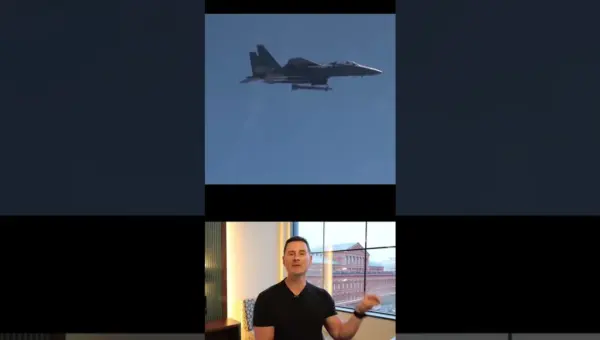
U.S. F-15E Strike Eagles deployed 5,000-pound GBU-72 bombs on hardened Iranian missile sites near the Strait of Hormuz. CENTCOM confirmed anti-ship threats were neutralized, securing vital oil shipping lanes. The strikes precede the arrival of 2,500 U.S. Marines, indicating preparatory battlefield actions.