Trump Claims Khamenei Dead, Promises More Bombing
Former President Donald Trump has claimed on Truth Social that Iran's Supreme Leader Ayatollah Khamenei is dead, citing sophisticated U.S. intelligence and Israeli cooperation. Trump also threatened continued bombing and offered immunity to Iranian security forces, sparking concerns of regional escalation.

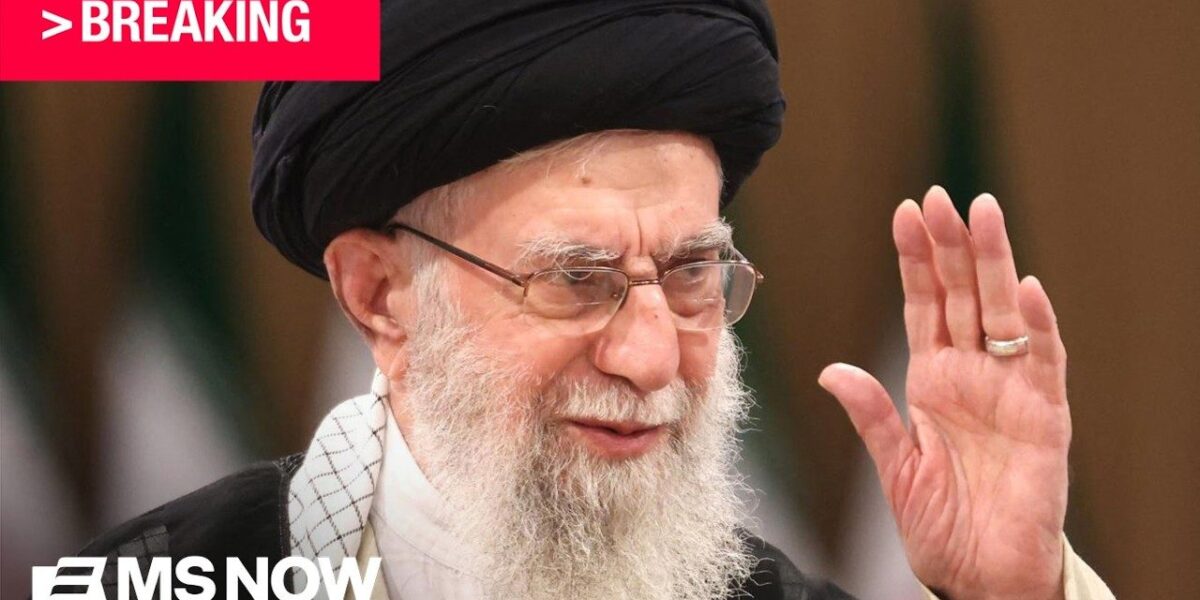
Trump Claims Iran’s Supreme Leader Dead, Details US Role
In a dramatic announcement made via his Truth Social platform, former President Donald Trump has declared that Iran’s Supreme Leader, Ayatollah Ali Khamenei, is dead. Trump posted a lengthy statement on Friday, asserting that Khamenei, whom he described as “one of the most evil people in history,” had been killed. The former president claimed the death was a result of sophisticated U.S. Intelligence and tracking systems, operating in close cooperation with Israel.
Trump’s statement detailed a successful operation that targeted Khamenei and other leaders, suggesting they were unable to evade U.S. And Israeli intelligence. “He was unable to avoid our intelligence and highly sophisticated tracking systems. And working closely with Israel, there was not a thing he or the other leaders that have been killed along with him could do,” Trump wrote.
US Offers Immunity to Iranian Forces, Threatens Continued Bombing
Beyond the reported death of Khamenei, Trump’s statement also extended a significant offer to Iranian security forces. He claimed that many within Iran’s Islamic Revolutionary Guard Corps (IRGC), military, and other security and police units no longer wished to fight and were seeking immunity from the United States.
“As I said last night, now they can have immunity. Later, they only get death,” Trump stated, urging these forces to “peacefully merge with the Iranian patriots and work together as a unit to bring back the country to the greatness it deserves.”
Trump indicated that a “heavy and pinpoint bombing” campaign would continue “uninterrupted throughout the week for as long as necessary to achieve our objective of peace throughout the Middle East and indeed the world.” This declaration suggests a sustained military operation aimed at achieving broader geopolitical goals, despite the potential for significant destruction and loss of life.
“Khomeini, one of the most evil people in history, is not only justice for the people of Iran, but for all great Americans and those people from many countries throughout the world that have been killed or mutilated by Khamenei and his gang of bloodthirsty thugs.” – Donald Trump
Analysis Questions Intelligence Disclosures and Iranian Response
The announcement has been met with skepticism and concern from various analysts. Questions have been raised about the unprecedented level of detail Trump shared regarding U.S. Intelligence capabilities and tracking methods. “Well, first of all, yes, way too much information,” commented one analyst, referencing the specific mention of tracking systems and intelligence that allegedly led to the strike.
There is also doubt regarding the swiftness and nature of the potential Iranian response. While Trump suggested that Iranian forces might seek immunity and align with a popular uprising, analysts expressed reservations.
“And to suggest that a regime and especially the IRGC, which is a rabid military force, would suddenly change their coats and change their colors after 47 years of declaring the United States the great Satan seems to be a stretch for me,” stated one observer. The complex, layered structure of Iran’s security apparatus, including the IRGC, Quds Force, and intelligence services, is seen as a significant obstacle to such a rapid internal shift.
Escalation Fears and Uncertain Future
The implications of Trump’s declaration and the potential continuation of bombing are raising fears of a significant escalation in regional tensions. Analysts are concerned that the actions could perpetuate an “escalatory spiral of violence” between Iran, the United States, and Israel. The history of retaliatory actions, such as the U.S. Strike on Qasem Soleimani during the first Trump administration, is a clear reminder of the potential for tit-for-tat violence.
There is a strong possibility that elements within the Iranian regime, or those sympathetic to it, will seek retaliation for the death of the Supreme Leader. “I don’t see any scenario whereby there’s not going to be some elements of the Iranian regime, whether they remain in place or filter back into society, who are not going to want to retaliate for the death of the supreme leader,” a commentator noted.
The situation within Iran is predicted to become “very, very turbulent, very unstable, very uncertain for quite some time.” The prospect of a prolonged bombing campaign is also expected to result in significant destruction and casualties, impacting innocent Iranian civilians and potentially further destabilizing the region. The geopolitical landscape in the Middle East remains highly volatile, with the long-term consequences of these events yet to unfold.
What’s Next?
The coming days will be critical in determining the veracity of Trump’s claims and the actual impact on Iran’s leadership and security forces. International reactions, official statements from Tehran, and any observable shifts within Iran’s internal power structures will be closely monitored. The extent to which the announced bombing campaign continues and its effectiveness in achieving stated objectives will also be a key focus, alongside the potential for retaliatory actions and further regional instability.
Source: BREAKING: Trump says Iran’s Supreme Leader Khamenei is dead (YouTube)

Related Articles
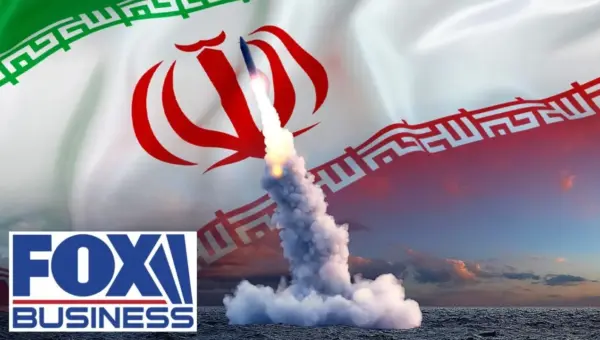
Iran’s Military Hit Hard, Analysts Debate Threat Level
Devastating strikes have crippled Iran's missile production and stockpiles, but a debate continues over the country's immediate threat level. Israel is intensifying targeted operations against Iranian leaders, while economic warfare targeting oil exports, like at Kharg Island, is being considered.


North Korea Eyes Iran Attack: A Nuclear Deterrent Boost
An attack on Iran may be reinforcing North Korea's belief that nuclear weapons are essential for its survival. The perceived failure of allies to fully support Iran, combined with South Korea's preemptive strike capabilities, strengthens Pyongyang's resolve to maintain its arsenal. This highlights the challenges in future denuclearization efforts.
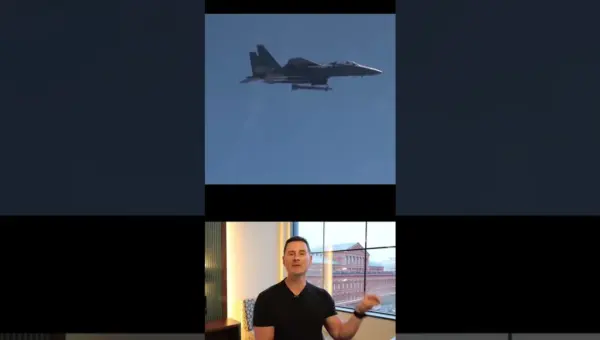
US Air Power Strikes Iranian Missile Sites
U.S. F-15E Strike Eagles deployed 5,000-pound GBU-72 bombs on hardened Iranian missile sites near the Strait of Hormuz. CENTCOM confirmed anti-ship threats were neutralized, securing vital oil shipping lanes. The strikes precede the arrival of 2,500 U.S. Marines, indicating preparatory battlefield actions.