Enniskillen Bombing: Uncovering the IRA Mastermind’s Identity
A deep dive into the 1987 Enniskillen bombing, exploring overlooked evidence, potential IRA motives including revenge for the Loughgall ambush, and the elusive search for alleged mastermind Charles C. Grada. The article also examines the averted tragedy of a second bomb in Tullyhomman and the complexities of cross-border policing during The Troubles.

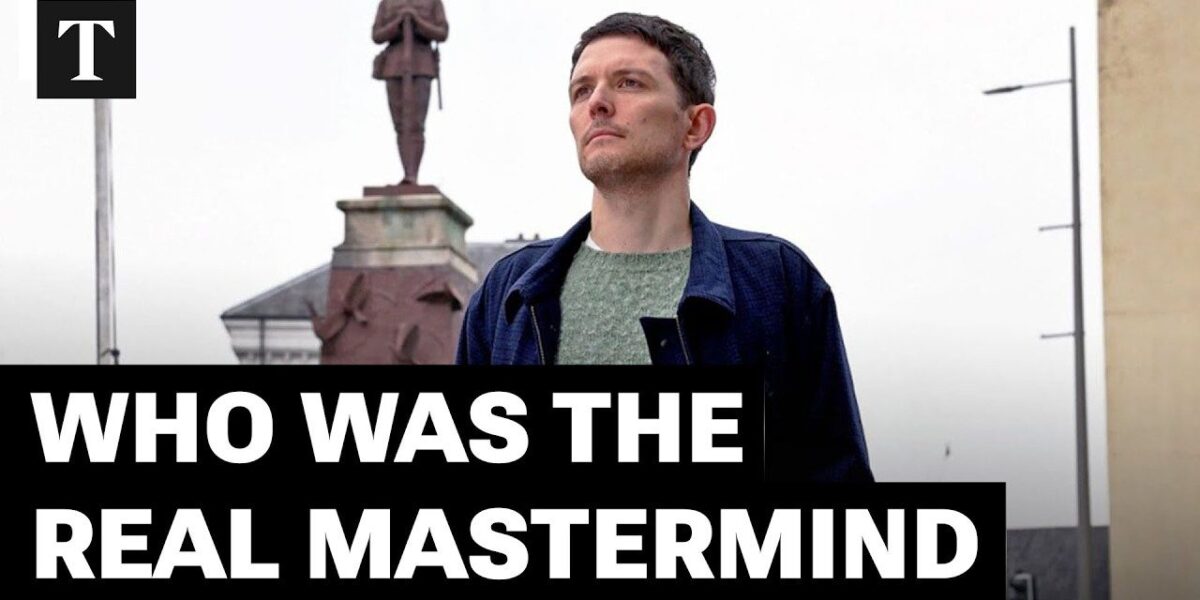
Enniskillen Bombing: Uncovering the IRA Mastermind’s Identity
On Remembrance Sunday, November 8, 1987, the Provisional IRA detonated a bomb at the town’s Catholic reading rooms, killing 12 people and injuring 63. The attack, which occurred during a ceremony commemorating the war dead, has haunted the community and remains a painful scar on Northern Ireland’s history.
This article digs into the investigation of the Enniskillen bombing, exploring the potential motives, overlooked evidence, and the enduring search for those responsible, including the alleged mastermind, Charles C. Grada.
The Enniskillen Atrocity: A Day of Devastation
The bombing at Enniskillen, County Fermanagh, was an act of unthinkable violence that targeted a deeply symbolic event. Remembrance Sunday ceremonies, intended to honor those who lost their lives in conflict, became the scene of a brutal attack by the IRA. The device, planted in the town’s Catholic reading rooms, exploded during a Poppy Day parade, devastating the building and the crowd gathered to pay their respects.
Award-winning journalist Peter Taylor, who covered The Troubles for over five decades, described the attack as “unthinkable.” He recounted his arrival in Enniskillen the evening of the bombing, witnessing the shock and disbelief of the community. “These things shouldn’t happen.
That’s why. But they happen for political reasons going back a long way,” Taylor reflected on the motivations behind such violence.
A Double Outrage Averted: The Tullyhomman Bomb
Remarkably, the Enniskillen bombing was not the only IRA attack planned for that fateful Sunday. In the nearby village of Tullyhomman, also in County Fermanagh, the IRA had planted a significantly larger bomb, estimated to be five times the size of the Enniskillen device.
This bomb was intended to detonate later in the day during a parade of young people from the Boys’ Brigade. Fortunately, the Tullyhomman bomb failed to explode, a fact largely overshadowed by the tragedy in Enniskillen.
The location of Tullyhomman is significant, straddling the border between Northern Ireland and the Republic of Ireland. The bomb was concealed in a beer keg and plastic container, with a 136-meter command wire stretching across the border into the Republic. Had the Tullyhomman bomb detonated, the scale of the disaster would have been catastrophic, potentially dwarfing the Enniskillen attack.
The “Long War” Strategy and IRA “Spectaculars”
The Enniskillen and Tullyhomman plots were part of the IRA’s broad “long war” strategy, aimed at indefinitely continuing their armed campaign against British rule in Northern Ireland. A key element of this strategy was the orchestration of “spectaculars” – bombings and killings designed to garner significant media attention and remind the public of the IRA’s presence and resolve. This tactic was also evident in the 1984 Brighton hotel bombing, an audacious attempt to assassinate Prime Minister Margaret Thatcher, which killed five people.
The IRA statement following the Brighton bombing chillingly declared: “Today we were unlucky. But remember, we only have to be lucky once. You will have to be lucky always.” This sentiment underscored the IRA’s persistent and often ruthless approach to achieving its political objectives.
The Significance of the Borderlands
The geography of County Fermanagh, a largely rural area bordering four counties of the Republic of Ireland, played a key role in the IRA’s operational planning. In the late 1980s, security forces were often focused on urban centers, leaving border regions less heavily policed. The winding border offered IRA units a sanctuary, allowing them to launch attacks from the relative safety of the Republic and quickly retreat.
Journalist Mario McIlwaine, in exploring the borderlands for the podcast series “The Poppy Day Bomb,” described the unique experience of crossing the border, a line that snakes through fields and bogs, often without fanfare. He recalled vivid childhood memories of military checkpoints and the pervasive sense of militarization along these routes, highlighting how the border itself was a complex and often exploited feature of the conflict.
Searching for Clues: Overlooked Evidence and Witness Accounts
Despite the passage of time, the investigation into the Enniskillen bombing has faced challenges, including the lack of a public inquiry or a conclusive fact-finding investigation. However, by trawling through available records, including a draft police report from the now-defunct Historical Inquiries Team (HIT), potential leads have emerged.
One intriguing account comes from an eyewitness, referred to as Witness E, who was in the reading rooms the night before the bombing. He reported encountering a man with a limp, wearing a pinstriped suit and carrying a heavy blue plastic bag.
This detail is significant, as the bomb is believed to have been transported in a similar bag. The report notes that Witness E identified two individuals from a lineup of photographs of suspected local terrorists, a practice later criticized as potentially leading the witness.
Further complicating matters, a later review in 2006 found that Witness E suffered from severe memory loss and could not recall speaking to the police or viewing photographs, rendering his information unreliable. Despite this, the draft report’s inclusion of the specific sighting suggests it was considered a potential lead at the time.
Suspicious Sightings and Inter-Jurisdictional Challenges
Additional accounts, detailed in legal documents submitted in 2015 to reopen the inquest, point to other suspicious sightings on the night of the bombing. One involved a serving RUC (Royal Ulster Constabulary) officer who observed known Republicans from County Monaghan entering the building where the bomb was later found.
He reported seeing individuals, including a woman carrying a brown bag, going into the reading rooms. According to the document, this officer submitted a written report, but it received little significant interest from the police investigation team.
Another account from an off-duty police officer suggested he also observed suspected terrorists entering and exiting the reading rooms and provided a four-page statement to local police, which he claims was never followed up. These accounts raise serious questions about the thoroughness of the initial investigation and the handling of intelligence gathered at the time.
The article highlights the difficulties in policing terror groups during The Troubles, particularly the lack of automatic information sharing between the police forces of Northern Ireland and the Republic of Ireland due to their separate jurisdictions. While some intelligence was eventually passed between the forces, including reports of two suspected IRA men arrested and released in the Republic due to insufficient evidence, the records of these arrests are now reportedly lost.
The Question of Motive: Revenge or Strategy?
The motive behind the Enniskillen bombing remains a subject of intense scrutiny. While the IRA’s “long war” strategy provides a broad context, the specific targeting of a Remembrance Day ceremony and the potential for a double atrocity raise deeper questions.
Journalist Peter Taylor shared insights from an RUC intelligence officer who investigated the bombing. This officer indicated that the IRA had discussed the “acceptable limit of civilian deaths or casualties that could be tolerated,” suggesting that the potential for civilian casualties was not entirely unknown or disregarded, but rather a factor in their calculations. However, the deliberate targeting of innocent civilians, particularly Protestant Unionist civilians, was something that IRA leadership might not have been comfortable with, suggesting a potential disconnect between leadership and local units.
One compelling theory that has emerged is that the Enniskillen bombing may have been fueled by revenge. Just months prior, in August 1987, eight IRA members were killed by the SAS in an ambush at Loughgall, County Armagh. This event, described as the Republican movement’s biggest single loss of life, was highly controversial, with Republicans criticizing the perceived “shoot to kill” policy.
Some former IRA members and sympathizers have suggested that Enniskillen was a retaliatory attack for Loughgall. The loss of comrades and friends in such a brutal manner could have ignited a desire for revenge, potentially overriding strategic considerations. This explanation suggests that the bombing, far from being a calculated “spectacular,” might have been a more emotionally driven act, a response to a significant loss suffered by the organization.
The Elusive Mastermind: Charles C. Grada
Central to the enduring mystery of the Enniskillen bombing is the identity of its alleged mastermind, Charles C. Grada.
Named in Parliament as the individual behind the attack, Grada has always denied involvement. The basis for these claims, likely stemming from security service intelligence, has never been fully explained.
Following the bombing, Grada reportedly moved to the United States in 1989, where attempts to deport him in the 1990s for an offense were unsuccessful. Recent investigations have explored rumors of his return to the Republic of Ireland, specifically his native village of Scotstown in County Monaghan. Despite efforts to locate and speak with him, Grada has remained an elusive figure, and his potential knowledge of the events of November 8, 1987, remains unknown.
The investigation into the Enniskillen bombing highlights the complex web of politics, strategy, and emotion that fueled the conflict in Northern Ireland. The search for the perpetrators, and particularly the alleged mastermind, continues, proof of the enduring quest for truth and justice for the victims and their families.
What Lies Ahead
The ongoing efforts by the Independent Commission for Reconciliation and Information Recovery (ICRIR) to review deaths from The Troubles may offer a renewed avenue for uncovering further details surrounding the Enniskillen bombing. The challenges of inter-jurisdictional cooperation, the nature of intelligence versus evidence, and the potential impact of revenge as a motive will continue to be critical areas of focus. The possibility of new information emerging, or witnesses being willing to speak, could shed further light on the events of that tragic day and the individuals responsible.
Source: The IRA's Enniskillen Bombing: Searching for the Mastermind (YouTube)

Related Articles
Retirement Savings Fall Short for Most
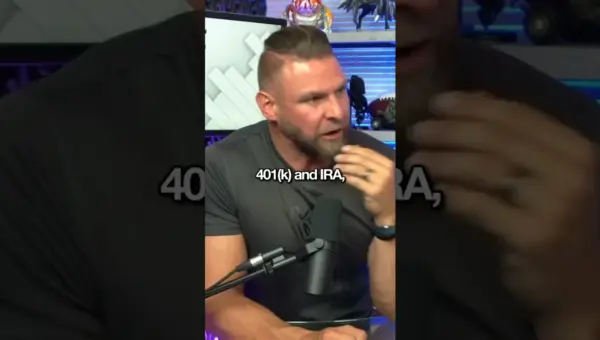
Many believe saving diligently in 401(k)s and IRAs is enough for wealth. However, this "accumulation mindset" often falls short due to limited savings potential and life's unpredictability. Real wealth building requires more than just saving; it needs active income generation and strategic growth.

Rory’s Masters Dream Fulfilled: Hollywood Celebrates
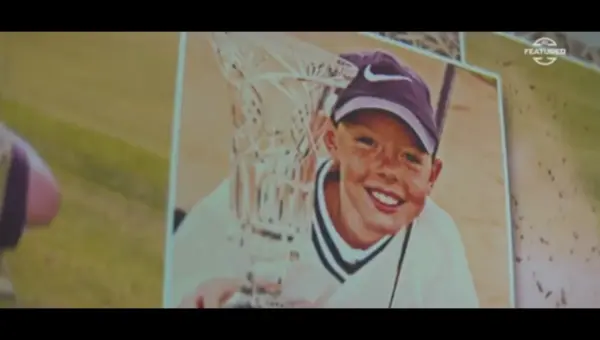
Rory McIlroy has finally captured the Masters, completing his career Grand Slam and bringing immense joy to his hometown of Holywood. The victory capped a long and often difficult journey, overcoming years of pressure and doubt at Augusta National.
UK Crumbles? Independence Movements Gain Unforeseen Traction
The United Kingdom faces a growing challenge from independence movements in Scotland, Wales, and Northern Ireland. With pro-independence parties gaining traction and legal pathways to separation, the centuries-old union is under increasing pressure, a reality largely unknown to many outside the UK.