China’s Auto Subsidies Flood Global Markets, Sparking Price Wars
China's heavy state subsidies for its auto industry have created a massive surplus of vehicles, leading to falling prices domestically and a surge in exports. This glut is now forcing Chinese carmakers to compete fiercely in international markets like Brazil, threatening global price stability and local manufacturers.


China’s State Subsidies Unleash Global Auto Market Disruption
Beijing’s extensive state subsidies for its domestic automotive industry are creating a significant glut of vehicles, forcing Chinese manufacturers to seek sales abroad and triggering a global price war. This surge in subsidized Chinese cars is poised to disrupt international markets, mirroring past concerns over state intervention in industries like steel.
Subsidies Drive Production, Overwhelm Domestic Demand
The Chinese government has heavily subsidized its auto sector as part of a broader strategy to advance the nation’s technological capabilities and economic growth. While these subsidies initially boosted production and made vehicles more affordable for Chinese consumers, the sheer volume of manufactured cars has now outstripped domestic demand. This oversupply has led to rapidly falling car prices within China.
Global Markets Face Price Pressure and Competition
The consequences of this domestic oversupply are now spilling over into international markets. Chinese automakers, armed with government support and excess inventory, are increasingly targeting export destinations such as Brazil.
This influx of competitively priced vehicles threatens to undermine local manufacturers and depress prices worldwide. Policymakers globally are expressing concerns that this situation is analogous to the challenges faced with subsidized Chinese steel imports in the past, which led to trade disputes and market distortions.
“You can’t sell more cars in China right now because of all the heavy state subsidies. But those heavy state subsidies in China are now going to mean that you would also be competing for sales in Brazil because the Chinese have a complete glut of what they’ve produced and car prices are, you know, dropping very rapidly.”
The current scenario highlights a recurring pattern of state intervention in Chinese industries aimed at achieving higher technological levels. While the immediate benefit for global consumers may be access to cheaper automobiles, the long-term implications for international competition and the viability of high-tech automotive manufacturing outside of China are significant.
Impact on High-Tech Manufacturing
For countries and companies that have invested heavily in developing advanced, high-technology automotive sectors, the rise of subsidized Chinese exports presents a formidable challenge. The pressure from lower-priced, mass-produced Chinese vehicles could make it increasingly difficult for domestic, non-subsidized manufacturers to compete, potentially stifling innovation and investment in higher-value segments of the automotive industry.
Looking Ahead: Trade Tensions and Policy Responses
As the global automotive market grapples with the consequences of China’s industrial policy, attention will likely turn to the responses of international governments and trade bodies. The potential for increased trade tensions, investigations into unfair trade practices, and the implementation of protective measures are all possibilities. The long-term impact on the global automotive landscape, the future of domestic manufacturing in various regions, and the effectiveness of China’s state-led industrial strategy will be closely watched.
Source: The consequences of Chinese state subsidies | To the Point (YouTube)

Related Articles
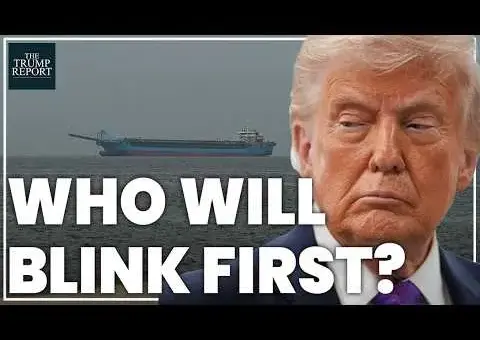
US Blockade Tightens Grip: Iran Faces Painful Economic Squeeze
The Strait of Hormuz is a critical shipping lane now under a complex U.S. naval blockade targeting Iranian oil exports. While the U.S. aims to squeeze Iran economically, Tehran's high pain tolerance and control over escalation present significant challenges. The situation risks global trade disruption and economic shocks.
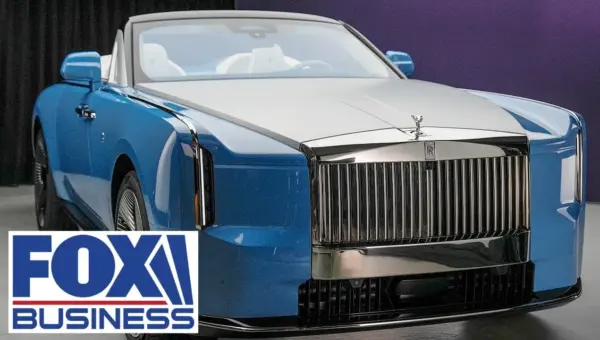
Rolls-Royce Launches Ultra-Rare ‘Nightingale’ Amid Global Headwinds
Rolls-Royce is navigating global challenges by launching its ultra-exclusive 'Project Nightingale' collection, limited to just 100 cars. The company is managing tariff impacts and geopolitical concerns while reporting strong demand, particularly from the U.S. market.


US Oil Sanctions on Iran Spark Global Price Fears
New U.S. sanctions on Iran are drawing sharp criticism from China and sparking fears of higher global oil prices. While intended to pressure Iran, analysts suggest the measures could inadvertently disrupt supply and increase costs worldwide. The situation unfolds amidst ongoing ceasefire talks and broader geopolitical tensions.