Epstein Deposition Chaos: Boowbert Photo Scandal Erupts
The deposition of Hillary Clinton regarding the Jeffrey Epstein scandal was disrupted when Rep. Lauren Boebert shared a photo from the closed-door hearing on social media. This act sparked immediate controversy, with critics accusing Boebert of prioritizing spectacle over substance and potentially compromising the investigation's integrity. The incident highlights broader concerns about the politicization of the Epstein case and the slow release of crucial documents.

Epstein Deposition Chaos: Boowbert Photo Scandal Erupts
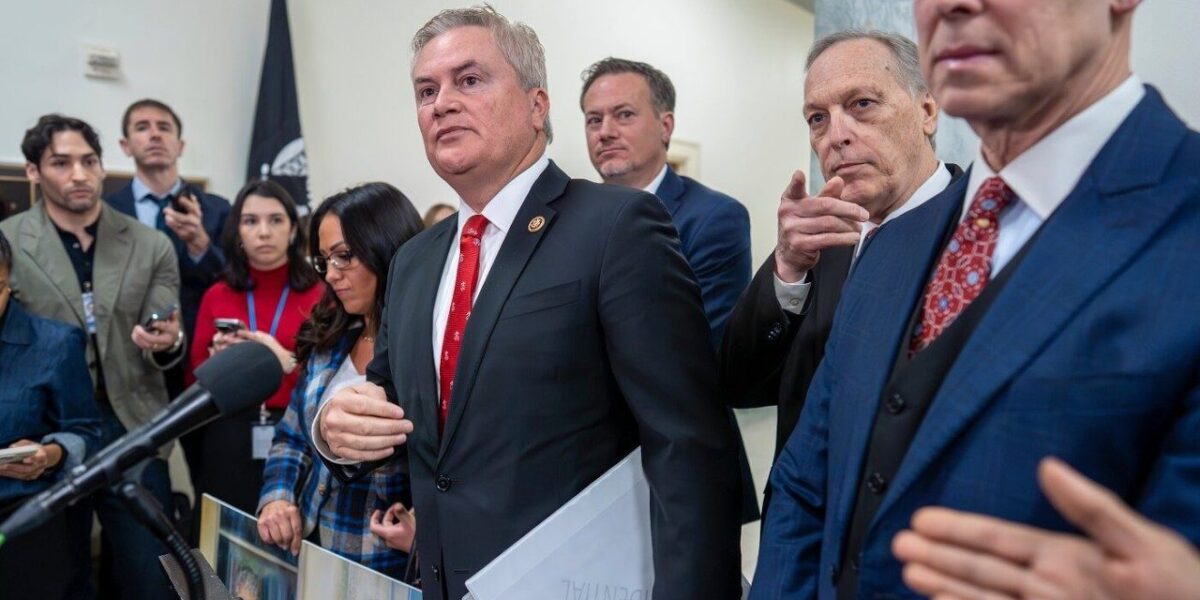
WASHINGTON D.C. – A closed-door deposition involving former First Lady Hillary Clinton, convened as part of the House Oversight Committee’s investigation into the Jeffrey Epstein sex trafficking scandal, was momentarily thrown into disarray Tuesday. The proceedings, intended to dig into Clinton’s knowledge of Epstein’s activities, were paused after a photograph taken during the testimony was illicitly shared on social media, violating chamber rules and sparking immediate controversy.
The Photo Incident and its Fallout
The deposition, which had been months in the making, reportedly proceeded smoothly until the unexpected breach of protocol. According to reports, the hearing was temporarily suspended to investigate the origin of the photograph that had appeared on social media platforms. This incident immediately raised questions about security and potential attempts to disrupt or politicize the sensitive testimony.
The hearing just went off the record for a moment uh because it seemed as some of you may have seen that there was some uh there were some photographs shared on social media which is uh against chamber rules that were read at the top of the meeting. So uh the hearing has been paused briefly while they figure out where the photo came from.
The focus of the controversy quickly landed on Republican Congresswoman Lauren Boebert. The photograph in question was reportedly taken by Boebert and shared with journalist Benny Johnson, who subsequently posted it online. Johnson added commentary, framing it as the “first image of Hillary Clinton testifying under oath about Jeffrey Epstein” and remarking on Clinton’s demeanor.
This act drew sharp criticism, with observers accusing Boebert of prioritizing self-promotion and spectacle over the gravity of the investigation. Critics pointed out the irony of sharing such an image during a testimony concerning the exploitation of women, with some drawing parallels to instances where women are told to “smile more.” The transcript notes a sarcastic comparison between Boebert’s actions and someone treating a deposition like an impromptu celebrity encounter: “Congresswoman, you don’t need to prove to everyone that you were in the room where it happened. You are supposed to be there.
It is your job. So, maybe take a break from treating this closed door testimony about a sex trafficking ring like you ran into John Cena on the street.”
Journalistic Commentary and Controversy
Benny Johnson’s decision to publish the image, complete with his own watermark, amplified the controversy. He tweeted, “Breaking the first image of Hillary Clinton testifying under oath about Jeffrey Epstein to the Republican Oversight Committee.
This is the first time Hillary has had to answer real questions about Epstein. Clinton does not look happy.”
The commentary accompanying the post was met with backlash, with some suggesting it was inappropriate to comment on a woman’s expression during a serious testimony. The source material humorously suggests Johnson’s remark about Clinton not looking happy could stem from various reasons, including being “caught red-handed” or the decades of public scrutiny she has faced regarding her husband’s actions.
Both Boebert and Johnson later appeared to deflect criticism. Boebert tweeted, “Benny did nothing wrong. Proceed with deposition,” a statement the transcript likens to an endorsement of a problematic action.
Johnson himself later tweeted, “I pissed off Hillary Clinton today. I am not suicidal,” a statement interpreted as bravado following the controversy.
Broader Context: Epstein Files and Accountability
Beyond the immediate scandal, the deposition occurs against a backdrop of ongoing efforts to release documents related to the Epstein investigation. The Trump administration was legally obligated to release millions of documents, with only a portion having been made public. Reports suggest that the Department of Justice has withheld documents, including those potentially implicating former President Donald Trump, a point that has drawn attention from figures like James Comey.
The transcript highlights concerns about potential cover-ups and the selective release of information. It also touches on the complex relationship between public figures and Epstein, noting that individuals like Ghislaine Maxwell were present at significant events, such as Chelsea Clinton’s wedding, raising questions about the extent of their social circles’ involvement or awareness.
There is a discussion within the source material about potential biases, with James Comey’s perceived focus on the Clintons being questioned. The transcript posits that Comey might have a personal grievance, perhaps stemming from not being invited to significant events attended by the Clintons.
Questions and Speculation
The deposition reportedly took an unusual turn towards its conclusion, with questions reportedly veering into topics such as UFOs and Pizzagate. This shift in questioning fueled further speculation about the intentions and focus of some committee members, with the source material implying that such questions may have originated from Representative Boebert.
The article suggests that for Republicans, the primary goal was to create a spectacle around Hillary Clinton, their perceived “boogeyman,” rather than to uncover substantive truths about Epstein’s network. The focus on creating viral moments and scoring political points is presented as a diversion from the more critical task of ensuring the full release and examination of the Epstein files, including those that might implicate other powerful individuals.
Concluding Remarks and Future Outlook
The article concludes by questioning the sincerity of Republican politicians who claim to care about the victims, suggesting their actions—using photos, memes, and trolling tactics—are a distraction from genuine accountability. The implication is that the focus on sensationalism, epitomized by the photo incident, serves to divert attention from the slow pace of justice and the potential suppression of crucial evidence by the DOJ.
Looking ahead, the full video of the deposition is expected to be released, potentially shedding more light on the questions asked and the responses given. The ongoing efforts to release the remaining Epstein documents will also be critical in determining whether genuine accountability will be pursued or if the investigation will continue to be overshadowed by political theater and controversy.
Source: CHAOS erupts over latest Epstein UPDATE | Another Day (YouTube)

Related Articles

Melania Trump Champions Foster Care Reform in Congress
First Lady Melania Trump led a congressional roundtable focused on reforming the U.S. foster care system, emphasizing the 'Fostering the Future' initiative. The meeting highlighted bipartisan legislative efforts to modernize the Chaffey program and included powerful testimonies from foster youth sharing their struggles and hopes for better support.


FBI Docs Contradict Melania’s Epstein Introduction Claims
Newly surfaced FBI documents challenge Melania Trump's recent claims about not being introduced to Donald Trump by Jeffrey Epstein. Witness testimony suggests Epstein facilitated the introduction, contradicting Melania's public statements and raising questions about her associations and those of figures like Paulo Zampoli.

Epstein Files: Survivor Disputes DOJ Claims of Full Release
A survivor of Jeffrey Epstein's abuse, Danielle Bensky, disputes the Justice Department's claim that all relevant files have been released. Citing specific missing documents and contradictory official statements, Bensky believes more information is being withheld, potentially to protect powerful individuals. Despite frustrations, she notes progress in how sexual assault cases are generally handled.