Melania Trump Champions Foster Care Reform in Congress
First Lady Melania Trump led a congressional roundtable focused on reforming the U.S. foster care system, emphasizing the 'Fostering the Future' initiative. The meeting highlighted bipartisan legislative efforts to modernize the Chaffey program and included powerful testimonies from foster youth sharing their struggles and hopes for better support.

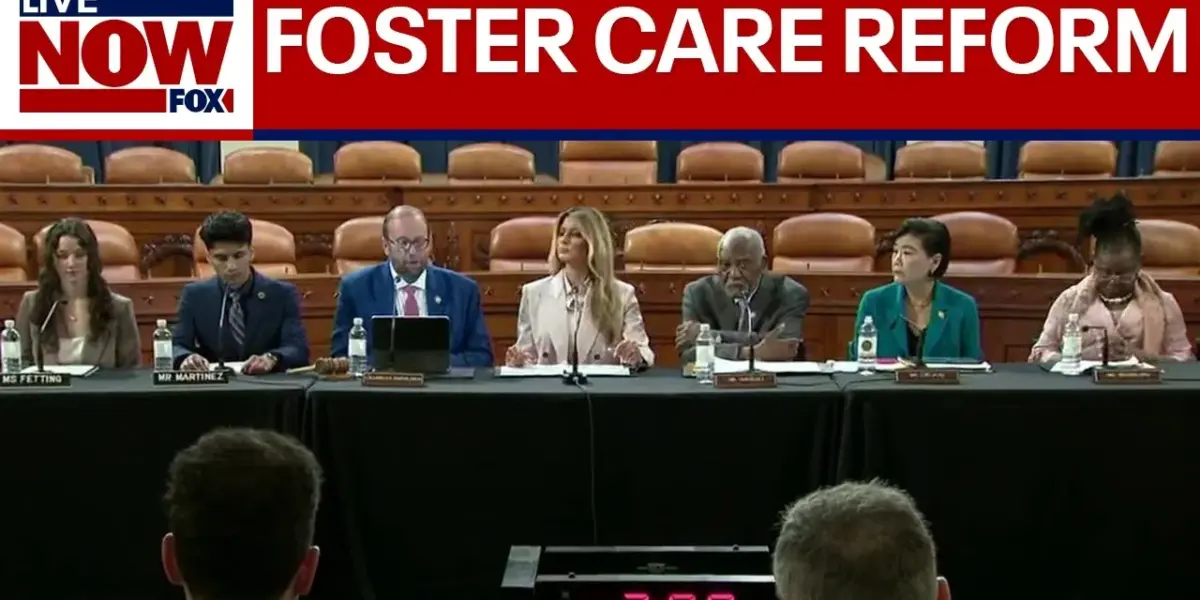
First Lady Hosts Roundtable on Critical Foster Care Reforms
First Lady Melania Trump convened a pivotal roundtable discussion on Capitol Hill, bringing together members of Congress and foster youth to advocate for significant reforms within the U.S. foster care system. The meeting, part of the Trump administration’s ongoing efforts to improve the lives of young people in foster care, highlighted the urgent need for action and legislative change.
‘Fostering the Future’ Initiative Takes Center Stage
Mrs. Trump’s initiative, ‘Fostering the Future,’ has been instrumental in drawing national attention to the challenges faced by foster youth, particularly those transitioning out of the system. The First Lady emphasized her commitment to using her platform to protect children and provide them with opportunities to thrive. Her initiative focuses on ensuring access to higher education, financial independence, and job creation for individuals with foster care backgrounds.
Bipartisan Push for Modernizing the Chaffey Program
Members of Congress present at the roundtable underscored the bipartisan nature of the reform efforts. Chairman Darren LeHood and Ranking Member Danny Davis highlighted six proposed bills aimed at modernizing the Chaffey program. This program is the primary federal support for youth aged 14 to 23 who are aging out of foster care. The proposed legislation addresses critical issues such as better housing coordination, expanded educational opportunities, and enhanced workforce training.
“The First Lady’s Fostering the Future initiative combined with the strong work the chairman Darren Le Hood and ranking member Danny Davis have done has created a very unique opportunity for reform,” stated one committee member. “I am committed to advancing legislation through this committee as quickly as possible.”
Stories of Hope and Resilience from Foster Youth
The roundtable provided a powerful platform for foster youth to share their personal experiences and advocate for change. Jaden Martinez, a freshman at Stephen F. Austin State University, recounted his journey from entering foster care at age six to becoming a recognized advocate. He shared the struggles of aging out of the system, facing homelessness, and working multiple jobs to fund his education. Jaden’s story, like that of Seth, who received a housing voucher that “flipped the script on what he thought was possible,” illustrated the life-changing impact of targeted support.
Jocelyn Fetting, who earned a master’s degree in social work after spending eight and a half years in the foster care system, also spoke. She detailed the difficulties of meeting basic needs like food, housing, and transportation, even with scholarships, and the emotional toll of supporting younger siblings. Jocelyn stressed that success for foster youth should not depend on luck but on accessible opportunities and robust support systems.
Addressing Systemic Gaps and Funding Needs
The discussions revealed significant shortcomings in the current foster care system. Despite the existence of programs like Chaffey, less than a quarter of eligible youth aged 16 to 21 receive services due to lack of awareness and limited funding. The average amount of federal funding for Chaffey has seen minimal increases since its inception in 1999, with some states even returning unused funds.
“The path for youth exiting care is treacherous,” explained Ranking Member Danny Davis. “Many drop out of school, become parents young, struggle with untreated mental health issues and trauma, and experience homelessness.” He urged colleagues to consider the immense impact of increased investment, noting that the funds needed are small compared to other government expenditures but would be life-changing for foster youth.
Legislative Solutions and the Path Forward
The six bipartisan bills introduced aim to tackle these issues head-on. One bill, the Foster Youth Housing Opportunity Act, seeks to improve coordination between child welfare programs and housing initiatives like the Melania Trump Foster Youth to Independence Housing Program. This legislation would allow states to use Chaffey funds for housing support services, removing a key barrier for youth.
First Lady Melania Trump concluded the discussion by reinforcing the moral imperative to act. “As parents and leaders, it is our ethical obligation to ensure American children develop emotionally and physically within a safe environment,” she stated. She expressed confidence that with continued bipartisan support and legislative action, the lives of transition-age foster youth can be profoundly improved, turning words into tangible actions and ensuring opportunity becomes a birthright.
Looking Ahead
The roundtable marked a significant step in the legislative process for foster care reform. The focus now shifts to the swift advancement of these bipartisan bills through Congress. Continued advocacy from foster youth, policymakers, and the First Lady will be crucial in ensuring these vital reforms are enacted and adequately funded, offering a brighter future for thousands of young Americans.
Source: Melania Trump hosts roundtable on foster care reform (YouTube)

Related Articles


FBI Docs Contradict Melania’s Epstein Introduction Claims
Newly surfaced FBI documents challenge Melania Trump's recent claims about not being introduced to Donald Trump by Jeffrey Epstein. Witness testimony suggests Epstein facilitated the introduction, contradicting Melania's public statements and raising questions about her associations and those of figures like Paulo Zampoli.

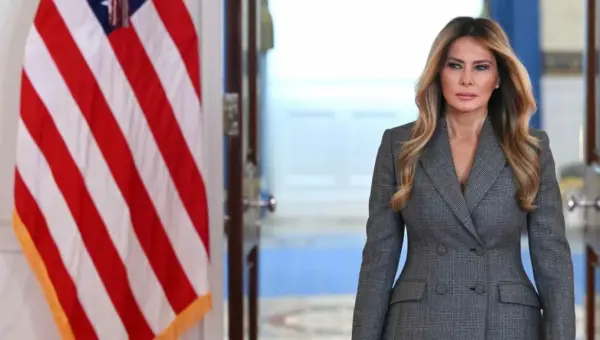
First Lady Champions Foster Youth: Congress Moves to Reform System
First Lady Melania Trump joined the House Ways and Means Committee to discuss critical reforms for youth aging out of foster care. The 'Fostering the Future' initiative and proposed legislation aim to provide better access to education, housing, and job training for vulnerable young adults.

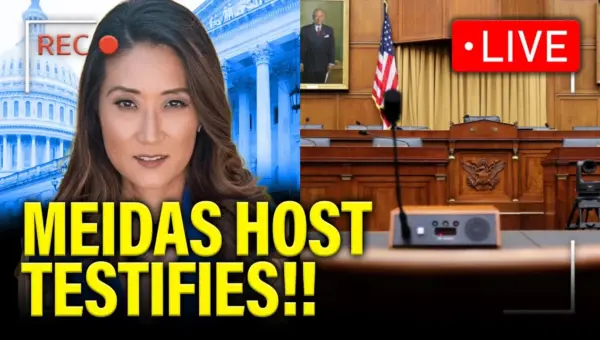
Media Mergers Threaten More Than Jobs; They Threaten Democracy
A congressional hearing examined the proposed Paramount SkyDance and Warner Brothers Discovery merger, highlighting fears that media consolidation threatens not just jobs and creative freedom, but American democracy itself. Witnesses warned of concentrated power, political influence over news, and the erosion of independent journalism.