Smaller Nations Navigate Global Trade Turbulence, EBRD Economist Explains
Smaller economies are proving more resilient to global trade turbulence than initially feared, according to EBRD Chief Economist Beata Javoic. Frontloading exports and a pivot towards internal demand, fueled by infrastructure projects and the AI boom, are key factors. However, reliance on the German economy and increasing competition with China remain significant challenges.

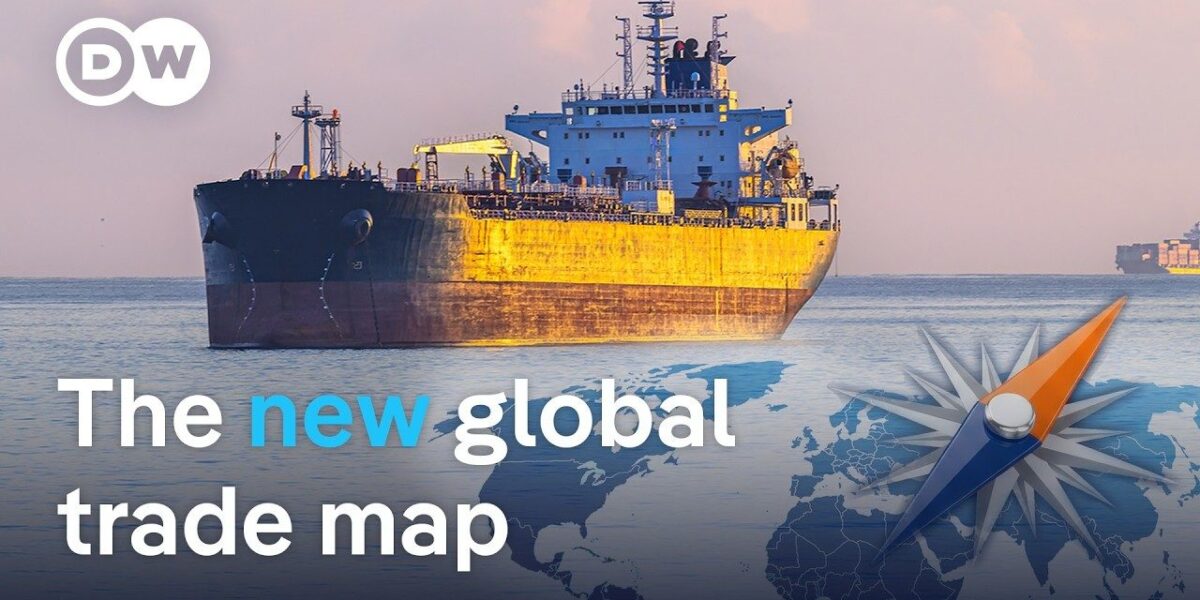
Smaller Economies Show Resilience Amidst Global Trade Turmoil
Despite widespread concerns over global trade disruptions and the impact of tariffs, smaller economies in regions covered by the European Bank for Reconstruction and Development (EBRD) have demonstrated unexpected resilience. A new report from the EBRD, analyzed by Chief Economist Beata Javoic, reveals that these economies performed better than anticipated last year, largely due to strategic trade practices and a shift towards internal demand drivers.
Tariff Impact Less Severe Than Feared, Frontloading Key
The full impact of tariffs, particularly those imposed by the United States, has not yet been fully felt by many economies. Javoic explained that a significant portion of exports were “frontloaded” – shipped before tariff implementation – mitigating the immediate shock.
“We haven’t felt the full impact of the US tariffs yet,” Javoic stated. “A lot of exports managed to enter the US market before tariffs were introduced.” This frontloading strategy, coupled with the fact that the US is not the primary market for many of these nations, has softened the blow.
Indirect Effects and Dependence on German Economy
While direct tariff impacts may be limited for some, indirect effects, particularly through the struggling German economy, remain a concern. Many countries in Eastern Europe, Central Asia, and North Africa rely heavily on Germany as a key export destination.
Weakness in sectors like automotive and machinery in Germany translates to reduced demand for goods and services from these regions. “The how well German economy does spill over into the region, not only into central Europe, but also in broadly defined European neighborhood that includes Western Balkans, southeastern Europe, North Africa,” Javoic noted.
Divergent Real Wage Trends and Public Sentiment
Inflation has eroded purchasing power across the EBRD’s operational regions, but real wages have not kept pace, impacting public sentiment. In Eastern European EU member states, real wages are significantly below pre-COVID trends. Conversely, Central Asia and the Western Balkans show real wages above pre-COVID levels.
While lower real wages can boost export competitiveness, they simultaneously diminish living standards. This divergence presents a complex trade-off for policymakers aiming for both economic growth and social well-being.
Shifting Growth Drivers: Infrastructure and AI Boom
Looking ahead to 2026, forecasts have been adjusted slightly upward for several economies. This optimism is fueled by a projected increase in internal demand. Governments are investing in large infrastructure projects, which are expected to drive investment and economic activity.
“We see governments engaging in large infrastructure projects and that’s going to fuel investment. So in other words, we are going to see internal sources of demand driving growth rather than external environment,” Javoic elaborated.
The global Artificial Intelligence (AI) boom is creating new opportunities. The increased demand for goods related to data centers, computer vision, and data processing benefits countries in Central Europe that produce such items.
“The AI boom has increased demand for goods related to data centers… So they actually tend to benefit from the AI boom through the greater demand for goods they produce,” she added.
Navigating Geopolitical Divides and Diversifying Exports
The growing division between the US and China presents both challenges and opportunities. While fears of Chinese goods flooding other markets due to trade deflection have not materialized in the EBRD regions, the geopolitical landscape is significantly influencing foreign direct investment (FDI).
Countries maintaining multi-vector geopolitical strategies, often perceived as neutral, are becoming more attractive FDI destinations. “Countries in Central Asia and other countries that are pursuing multi-vector geopolitical strategies tend to become more attractive destinations for investors from various parts,” Javoic observed.
The report also highlights a significant challenge: the increasing overlap between the export structures of these smaller economies and China’s sophisticated export base. This makes it increasingly difficult for countries to compete with China, especially for goods beyond raw commodities. “China is a formidable competitor not just for emerging Europe but also for Western Europe,” Javoic warned.
Outlook for 2026 and Beyond
As global trade dynamics continue to evolve, smaller economies are increasingly relying on internal demand, infrastructure investment, and benefiting from niche sectors like AI. While challenges related to global economic slowdowns and geopolitical tensions persist, strategic diversification and a focus on domestic growth drivers offer a path towards sustained economic development. The ability of these nations to adapt to shifting trade patterns and leverage emerging technological trends will be crucial in the coming years.
Source: How smaller countries are avoiding trade pains | DW News (YouTube)

Related Articles
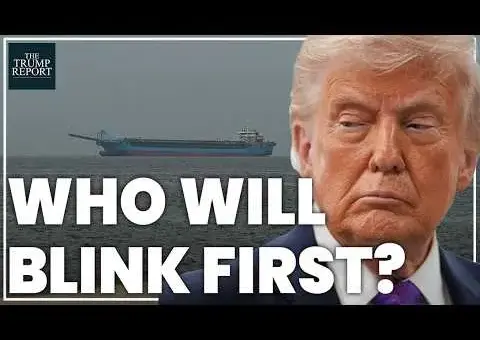
US Blockade Tightens Grip: Iran Faces Painful Economic Squeeze
The Strait of Hormuz is a critical shipping lane now under a complex U.S. naval blockade targeting Iranian oil exports. While the U.S. aims to squeeze Iran economically, Tehran's high pain tolerance and control over escalation present significant challenges. The situation risks global trade disruption and economic shocks.

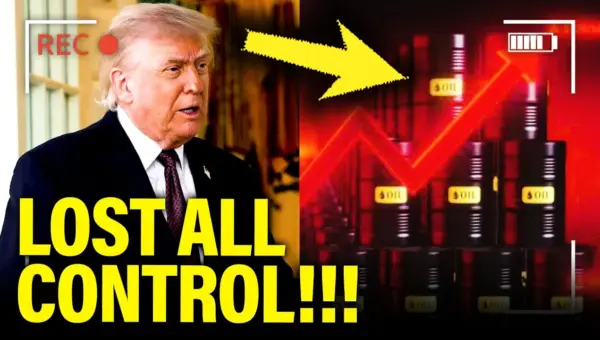
Trump’s Tariffs Ignite Inflation Crisis, Fed Stands Helpless
Inflation has surged to 3.3%, driven by a combination of energy shocks and self-inflicted tariffs. The Federal Reserve's tools are largely ineffective against this supply-driven crisis, leading to a potential for prolonged economic pain and a political opportunity to rethink economic policy.
Critics Slam Trump’s Economic Policies, Citing Inflation and Tariffs
Critics argue that Donald Trump's economic policies, including permanent tax cuts for corporations and the wealthy, have worsened inflation and increased costs for average Americans. Tariffs and a jobless economy over the last 15 months are cited as key issues, with a proposal emerging to suspend the federal fuel tax to provide relief.