Critics Slam Trump’s Economic Policies, Citing Inflation and Tariffs
Critics argue that Donald Trump's economic policies, including permanent tax cuts for corporations and the wealthy, have worsened inflation and increased costs for average Americans. Tariffs and a jobless economy over the last 15 months are cited as key issues, with a proposal emerging to suspend the federal fuel tax to provide relief.

Democrats Criticize Trump’s Economic Record
Critics are arguing that Donald Trump’s economic policies have worsened the situation for everyday Americans, particularly concerning inflation and the cost of living. These criticisms come as the nation faces economic challenges, including rising gas prices and ongoing global instability. The debate centers on the lasting effects of tax cuts and trade policies enacted during his presidency.
Tax Cuts and Their Permanent Impact
A key point of contention is the Tax Cuts and Jobs Act of 2017. While some tax reductions, like those on tips and overtime, were designed to expire, the significant 40 percent corporate tax cut, which lowered the corporate rate from 35% to 21%, was made permanent. Furthermore, tax cuts benefiting the top 1% of earners were also made permanent. These measures, alongside substantial cuts to healthcare programs intended to help fund the tax bill, have drawn sharp criticism for favoring corporations and the wealthy.
Economic Woes Blamed on Trump’s Policies
Commentators point to a jobless economy over the last 15 months and the largest one-month jump in gas prices in recent memory as direct consequences of Trump’s economic strategy. Inflation, which had been steadily decreasing throughout 2024, began to reverse and spike around this time last year. This reversal is specifically attributed to Trump’s tariffs. The promise to cure inflation and bring down prices on day one of his presidency has not been met, with critics arguing his actions have made the situation worse.
“He was elected to cure inflation. He said on day one he would bring down prices. He hasn’t. He’s only made the situation worse.”
Tariffs Drive Up Costs for Families
Trump’s tariff policies are cited as a major reason for increased costs for American families. Even before recent international conflicts, the average family was reportedly paying an additional $1,800 per year due to these tariffs. When combined with the surge in gas prices and the subsequent ripple effect on inflation, any tax savings that middle and working-class Americans received have been largely erased. This stands in contrast to the significant tax benefits enjoyed by the top 1%, who received record-breaking tax cuts.
Political Strategy and Voter Discontent
With legislative elections approaching, Republican lawmakers are reportedly struggling to advance a new agenda. Instead, they are focusing on reminding voters about the tax cuts passed during Trump’s term, using the April 15th tax deadline to highlight perceived benefits. U.S. Representative Jim Jordan has stated that many Americans are seeing bigger refunds and tax cuts, a message President Trump intends to carry on the campaign trail. However, there is growing evidence that some of Trump’s own voters feel they were misled, having been promised economic improvements that have not materialized for them.
Addressing High Gas Prices: A Proposed Solution
In response to the persistent issue of high gas prices, a proposal has been put forward to suspend the federal fuel tax when prices exceed $4 per gallon. The federal fuel tax, currently 18.4 cents per gallon, has not been adjusted for inflation since 1993. The idea is to use funds from subsidies currently given to oil and gas companies, totaling $30 billion annually thanks to Trump’s economic policies, to backfill the National Highway Trust Fund. This suspension would offer some relief, though it wouldn’t bring prices back to the levels seen before recent price hikes. The aim is to help constituents in working-class districts who are disproportionately affected by rising costs.
Looking Ahead
As the election cycle heats up, the effectiveness and fairness of Trump’s past economic policies will likely remain a central theme. Voters will be weighing the long-term impacts of tax cuts, tariffs, and inflation against campaign promises. The proposed suspension of the federal fuel tax, if enacted, could offer a tangible, short-term solution for consumers struggling with fuel costs, while the broader debate over economic fairness and policy direction continues.
Source: Dem rips Trump’s economic strategy: ‘He’s only made the situation worse’ (YouTube)

Related Articles


Trump’s Allies Rebel: Conservatives Slam President’s Policies
Prominent conservative figures and lawmakers are openly criticizing President Trump's policies in 2026, signaling a growing divide within the movement. From Candace Owens questioning the Iran conflict to Senator Rand Paul challenging trade policy, a wave of dissent is challenging the president's agenda.

Trump Threatens Fed Chair Powell, Faces Nomination Blockade
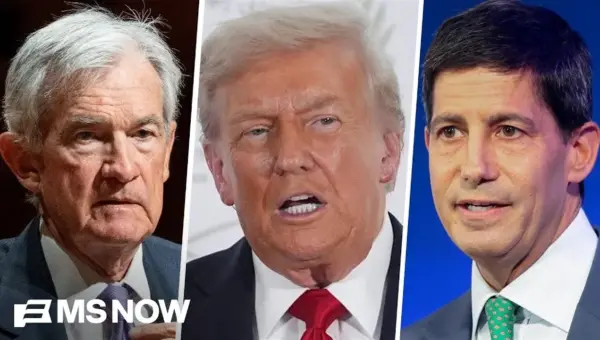
President Trump is threatening to fire Fed Chair Jerome Powell over a renovation probe, creating a political stalemate. Senator Tom Tillis is blocking Trump's nominee, Kevin Warsh, until the investigation concludes. Warsh himself faces scrutiny over his vast personal wealth, estimated between $135-226 million, raising conflict of interest concerns.


Trump’s Grip Weakens as Allies Falter, Democracy’s Future Hinges
Donald Trump's approval ratings are plummeting, even among his core supporters, signaling a potential collapse of the MAGA movement. Global events, like Hungary's shift to democracy, and domestic economic woes are fueling discontent and opening doors for broader political coalitions.