Prosecutor: SPLC Accused of Funding Hate Groups
A former federal prosecutor discusses serious accusations against the Southern Poverty Law Center (SPLC), suggesting they may have funded extremist groups. He also analyzes FBI Director Wray's defamation suit and a court ruling on state versus federal authority in immigration enforcement.

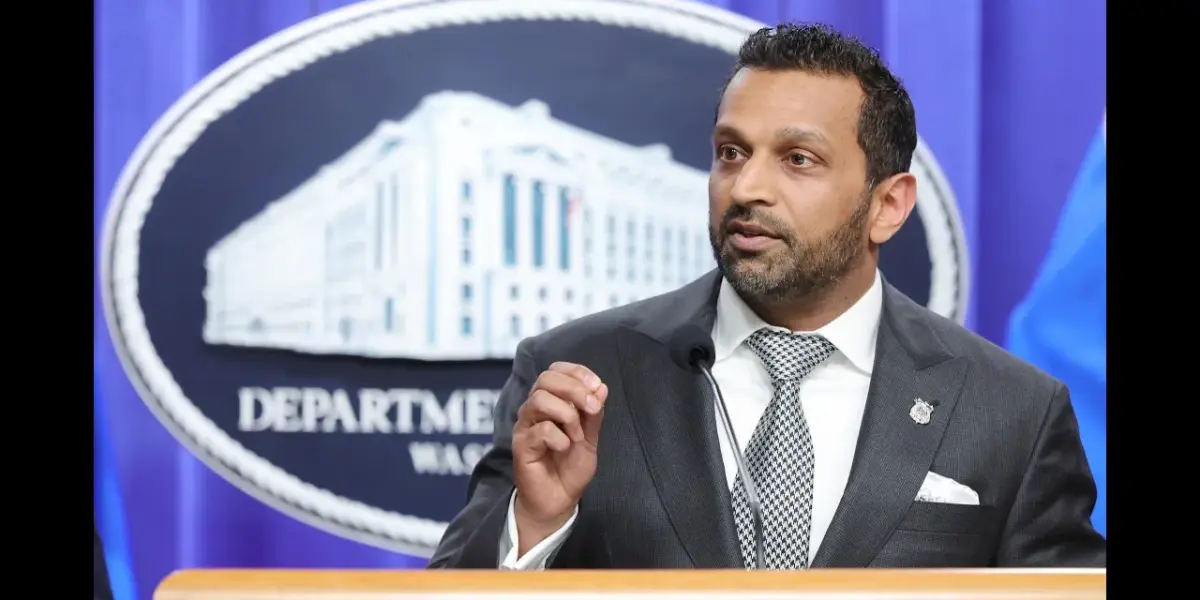
Prosecutor: SPLC Accused of Funding Hate Groups
A former federal prosecutor is raising serious questions about the Southern Poverty Law Center (SPLC). He believes the organization may have misused millions of dollars. The accusation is that the SPLC funded the very extremist groups it claims to fight.
This claim comes as the Department of Justice is looking into the SPLC. They are investigating the group for allegedly misusing $3 million in donor money. The core of the accusation is that the SPLC gave money to groups like the KKK and neo-Nazi organizations.
Patel’s Defamation Suit Against The Atlantic
The discussion also touches on FBI Director Christopher Wray’s defamation lawsuit. Wray is suing The Atlantic for $250 million. The lawsuit is over an article that made claims about his drinking habits and behavior on the job.
To win, Wray must prove “actual malice.” This means showing The Atlantic acted with extreme disregard for the truth. Public figures have a high bar to meet in these cases. The Atlantic article relied heavily on anonymous sources.
A key part of Wray’s complaint is about how The Atlantic handled his response. He claims the magazine gave him less than two hours to answer 19 accusations. This short window made a full defense difficult.
The former prosecutor notes that if the case goes further, The Atlantic could face discovery. This process might reveal internal communications. Such messages could show ill will or a deliberate attempt to harm Wray’s reputation.
SPLC’s Handling of Informants
The former prosecutor finds the accusations against the SPLC deeply concerning. He suggests the group, which may have started with good intentions during the Civil Rights era, has lost its way.
He points to the SPLC labeling figures like Ben Carson and organizations like Turning Point USA as extremists. This broad labeling, he argues, has damaged the SPLC’s credibility.
The main issue, he explains, is how the SPLC has used donor money since the 1980s. They gave funds to informants, often in high-ranking positions within extremist groups. The SPLC claims this is for infiltration purposes.
However, the prosecutor highlights a major flaw: the SPLC is not law enforcement. They lack control, experience, and proper systems for managing informants. He compares it to working with informants in organized crime, which requires strict protocols and constant vigilance.
Without these safeguards, the SPLC simply gave money to these individuals, hoping for the best. This approach, the prosecutor states, is essentially helping to fund extremism.
Charlottesville Incident and SPLC Money
A particularly disturbing detail relates to the Charlottesville incident. An informant receiving SPLC funds reportedly helped extremists get to the event. This suggests the SPLC’s money may have worsened the situation at a tragic event.
The prosecutor believes these accusations are significant and valid. He suggests the SPLC’s actions could be seen as reckless arrogance.
The Trend of Exposing Nonprofits
The discussion turns to a potential trend of exposing nonprofits that engage in political work with donor money. The SPLC has often been accused of creating controversy before elections to paint Republicans as extremists.
This raises the question of whether other groups, like Code Pink, could face similar scrutiny. Congress has already been looking into such organizations for their political activities.
Rooting out bad practices requires dedicated investigators and prosecutors. These individuals must be willing to face attacks for their work. Many nonprofits aim to influence political decisions, and their methods vary greatly.
Some practices might be negligent, while others could be criminal. The prosecutor calls for more scrutiny of these organizations, emphasizing the need for a dedicated FBI and Department of Justice.
Immigration Ruling: State vs. Federal Authority
Finally, the conversation covers a recent appeals court ruling. The court sided with the Trump administration in an immigration case involving California.
California had tried to require ICE agents to wear identification and not wear masks. The court found that the state was overstepping its authority in an area controlled by the federal government.
This ruling is based on the Constitution’s supremacy clause. This clause states that federal law takes precedence over state law when there is a conflict. The state regulators were trying to dictate the actions of federal agents.
The court saw this as an attempt to expose federal agents to doxing and violence. The prosecutor believes this decision should set a precedent for other states. He suggests California pursued the law for political symbolism, even though their lawyers likely knew it wouldn’t hold up in court.
The case could potentially go to the Supreme Court if California chooses to appeal. However, the prosecutor doubts they will, given the clear ruling against them.
Source: Significant, Valid Accusation that SPLC Was Helping Fund Extremism: foemer Federal Prosecutor (YouTube)

Related Articles

Trump Ally’s Lawsuit Faces Tough Judge, Doubts
Cash Patel's $250 million defamation lawsuit against The Atlantic faces a tough challenge with Judge Emmet Sullivan presiding. The case centers on allegations of alcoholism and duty neglect, which The Atlantic stands by. Patel must prove "actual malice" for his case to succeed.


DOJ Indicts SPLC for Alleged Fraud, Funding Extremists
The U.S. Department of Justice has indicted the Southern Poverty Law Center (SPLC) on charges including fraud and using donations to fund extremist groups. The SPLC denies the allegations and vows to fight the charges. The indictment details alleged payments of $270,000 over eight years to groups linked to the 2017 Charlottesville protests.

Civil Rights Group Accused of Funding Hate Groups for Profit
The Southern Poverty Law Center faces federal fraud and money laundering charges for allegedly paying millions to informants within hate groups. Prosecutors claim donor money was used to fund extremist leaders over nearly a decade. The SPLC denies the charges, calling informant work necessary and vowing to fight the indictment.