EU Leaders Meet in Cyprus to Tackle Ukraine Funding, Iran War
EU leaders gathered in Cyprus to address critical issues including a 90 billion euro loan for Ukraine and the impact of the Iran war on energy prices. The summit also focused on strengthening the EU's mutual defense clause, Article 42.7, amid shifting global alliances.

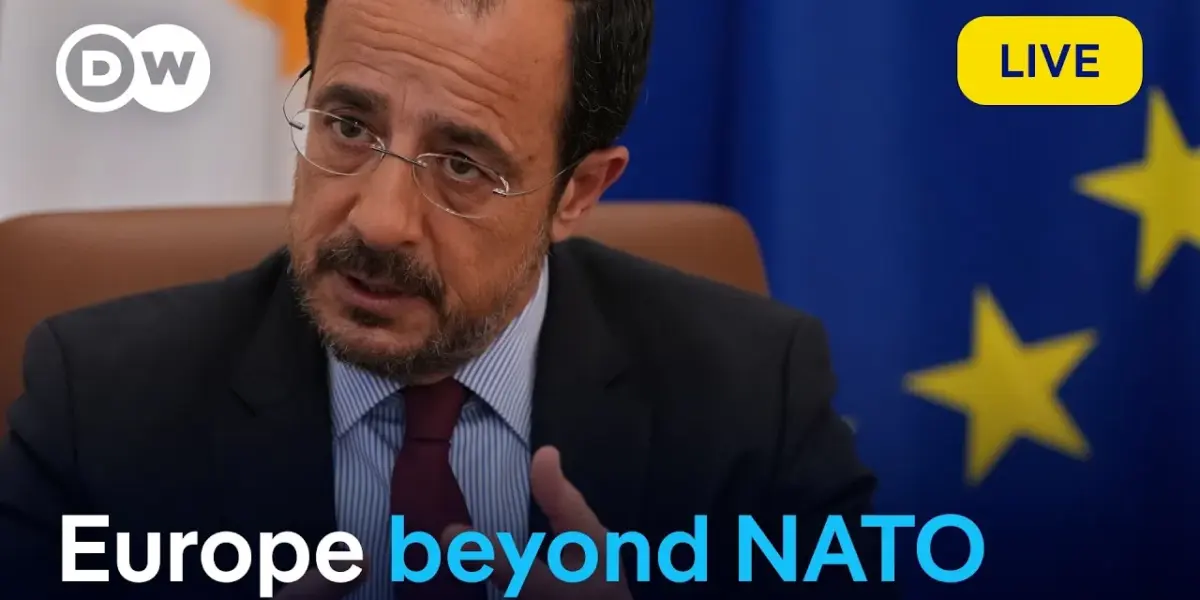
EU Summit Focuses on Ukraine Aid and Regional Stability
European Union leaders convened in Cyprus for an informal summit, addressing critical issues including vital funding for Ukraine, the ongoing conflict in the Middle East involving Iran, and the bloc’s own defense capabilities. The meeting, held on the island nation which currently holds the EU’s rotating presidency, aimed to foster a united response to pressing geopolitical challenges.
Cyprus: A Geopolitical Crossroads
Cyprus, a nation known for its tourism, has found itself at the center of regional attention. Its strategic location, just a short flight from Beirut but four hours from Brussels, makes it a natural meeting point for discussions on Middle Eastern affairs. The island’s proximity to conflict zones has highlighted its unique position, prompting the Cypriot government to emphasize its safety and welcoming stance towards tourists, while also seeking to play a role as a mediator.
The Cypriot government invited leaders from Egypt, Lebanon, and Jordan to join the EU discussions. This move signals Cyprus’s ambition to be more than a passive observer, aiming instead to act as a bridge between the EU and its neighbors in a turbulent region. The summit sought to explore how the EU can better coordinate its foreign policy and support mechanisms in the face of complex international crises.
Ukraine Funding Unblocked Amidst Political Shifts
A significant outcome of the summit was the unblocking of a crucial 90 billion euro loan package for Ukraine. This funding had been stalled due to political disagreements, particularly from Hungary.
The departure of Hungarian Prime Minister Viktor Orbán from the EU political scene, though his successor has not yet taken office, has been met with relief by many EU leaders. Orbán had frequently blocked EU decisions, including sanctions against Russia and budget matters.
The 90 billion euro loan is essential for Ukraine to maintain its defense capabilities and to fund basic public services, such as paying civil servants, doctors, and teachers, and keeping its economy functioning. Ukrainian President Volodymyr Zelenskyy attended the summit in person, a significant move highlighting the importance of the EU’s commitment. His presence allowed for direct discussions on Ukraine’s ongoing needs, including further requests for weapons and political support.
Addressing Energy Crises and Competitiveness
The summit also tackled the rising energy prices and their impact on European economies, exacerbated by the conflict in the Middle East. The European Commission has proposed measures to mitigate potential crises, particularly concerning jet fuel, and has suggested relaxing rules on state aid to help businesses cope with soaring costs. Europe’s long-standing challenge of high energy prices has been identified as a major drag on its global competitiveness.
Discussions focused on how European businesses can better compete with rivals in Asia and the US. The soaring cost of energy has been a persistent issue, affecting not only consumers but also businesses striving to maintain their economic standing on the global stage. The EU is exploring coordinated strategies to stabilize energy markets and cushion the economic blow for its member states.
Revisiting EU Mutual Defense: Article 42.7
A central, yet less understood, topic of discussion was Article 42.7 of the EU treaty, which outlines a mutual defense clause. This article states that if a member state is attacked, other member states must provide aid and assistance by all available means. While similar in concept to NATO’s Article 5, Article 42.7 is less tested and its practical application remains unclear, especially for EU members that are not part of NATO.
Cyprus, along with other non-NATO EU members like Ireland, Austria, and Malta, is particularly interested in clarifying this clause. The unpredictability of US support for European defense has intensified the focus on the EU’s own security mechanisms. Leaders are seeking to develop a clearer playbook for how the EU would respond collectively if a member state faces armed aggression, exploring different scenarios and the potential roles of member states.
Experts noted that while the EU has taken steps to increase defense spending and cooperation, much of the effort is still happening at the national level. The summit aimed to move beyond theoretical discussions and explore concrete ways to operationalize Article 42.7, potentially through smaller coalitions of willing member states if a broader consensus proves difficult. The discussions highlighted the complex interplay between national defense policies and the EU’s collective security goals.
Looking Ahead
The EU leaders’ meeting in Cyprus has set the stage for ongoing debates on defense integration and crisis management. Key developments to watch will include the formalization of the Ukraine loan, further steps to clarify the application of Article 42.7, and the EU’s strategies for navigating future energy market volatility and enhancing its global economic competitiveness. The outcome of these discussions will shape the EU’s security posture and its role in a rapidly changing world.
Source: LIVE: EU leaders meet in Cyprus for informal summit on energy, Iran war, Uraine funding | DW News (YouTube)

Related Articles


Gerrymandering Backfires on GOP Amidst War Woes
Democrats have gained a significant advantage in Virginia following a vote to redraw congressional maps, potentially delivering more seats in the midterms. Meanwhile, President Trump faces sinking approval ratings amid the ongoing Iran war and economic concerns. The White House strategy is shifting as redistricting battles and international conflicts continue to shape the political landscape.

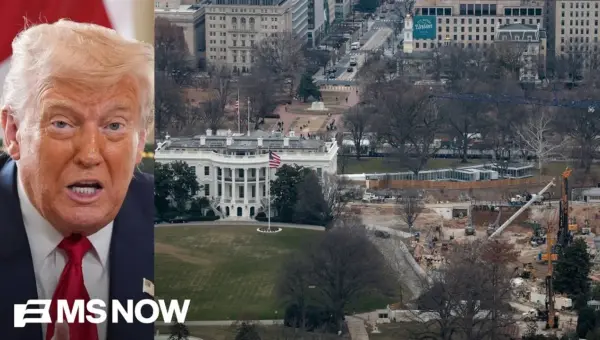
Ex-Official: Trump Focused on ‘Ballroom and Arch’ Over Economy
Former State Department official Matthew Rojansky criticizes Donald Trump's apparent focus on symbolic issues over the economy. Polls indicate voters are confused and distrustful of the administration's messaging on the Iran war and economic policies, suggesting a communication breakdown. Concerns are rising about the administration's priorities as voters express anxiety over financial struggles and foreign conflicts, with some feeling the focus is on 'ballroom and arch' rather than substantive solutions.
Germany Aims for Europe’s Strongest Army Amid Global Threats
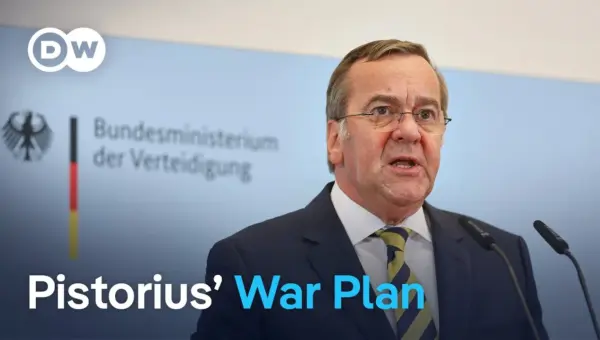
Germany is set to build Europe's strongest conventional army, increasing its forces to 260,000 active soldiers and 200,000 reservists. This move, driven by threats from Russia and potential shifts in U.S. European commitments, prioritizes advanced capabilities like drones and cyber defense. The new strategy aims to bolster Germany's role in NATO and ensure European security.