GOP Betrays Voters by Backing Costly Iran War
Republicans in the Senate voted to continue military actions in Iran, despite widespread public disapproval and rising domestic costs. This decision, seen as prioritizing party loyalty over voter concerns, could have significant consequences in upcoming elections.

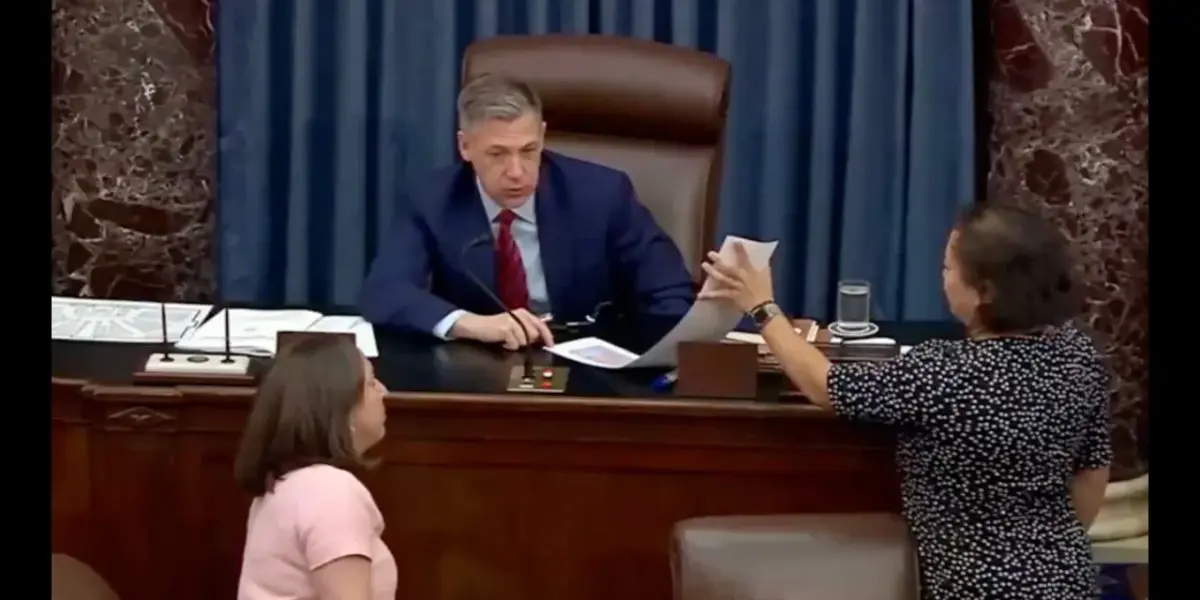
GOP Betrays Voters by Backing Costly Iran War
Republicans in the Senate recently made a choice that could haunt them. They voted against a resolution that would have given Congress more say in declaring war.
This means President Trump can continue military actions in Iran without as much oversight. The vote was 47 in favor and 52 against, a mostly party-line decision.
This vote essentially lets the war in Iran continue. Trump can keep spending about a billion dollars daily on military operations in the Middle East.
This goes against his promise to avoid new long-term wars there. The war is also deeply unpopular, with only 29% of Americans believing it’s worth the cost.
Why This Matters
This decision is a big deal for several reasons. First, it means the war goes on, costing taxpayers a lot of money.
Second, it shows a clear choice by the Republican party to support Trump’s actions, even when they are unpopular. This support comes as the party faces midterm elections, where voters might punish them for these choices.
The transcript suggests that Republican lawmakers are more concerned with pleasing Donald Trump than serving their constituents. This loyalty, the argument goes, could lead to them losing their jobs.
The voters, especially independents, are showing disapproval with these kinds of decisions. This could translate into lost votes in upcoming elections.
Historical Context
The War Powers Resolution itself has a history. Congress passed it in 1973 after the Vietnam War.
It aimed to prevent presidents from committing U.S. forces to armed conflict without congressional approval. The recent vote is part of a long-standing debate about the balance of power between the president and Congress in foreign policy and military actions.
This isn’t the first time a president has faced scrutiny over military actions in the Middle East. Both Republican and Democratic administrations have grappled with the complexities of regional conflicts. However, the current situation highlights a specific political dynamic where party loyalty seems to outweigh public opinion and stated campaign promises.
Political Fallout and Future Outlook
The Republicans’ decision to back the continued military action in Iran could be a significant misstep. Many Americans are struggling with rising costs for everyday items like gas and groceries. Supporting a costly war while people at home face economic hardship seems out of touch.
Senator Elizabeth Warren pointed out that Trump’s policies, including tariffs and energy choices, have also contributed to higher prices. This creates a contradiction: the party that promised to lower costs is now supporting actions that make things more expensive. This disconnect could alienate voters and benefit Democrats in the upcoming elections.
Faith and Politics: A Complex Relationship
The transcript also touches on the intersection of faith and politics. Senator Raphael Warnock discusses how some politicians, including Donald Trump, use religious language but don’t seem to live by its principles. He argues that some supporters may be prioritizing cultural identity or political power over genuine faith.
Warnock suggests that this behavior can be seen as a form of idolatry, where political figures are placed above deeper moral or religious commitments. He contrasts this with a faith that centers on humanity and compassion, citing Martin Luther King Jr.’s example. This raises questions about how voters reconcile their religious beliefs with the actions of political leaders they support.
The Fight for Control
The discussion also touches on efforts to change voting rules, like the proposed “Save Act.” Critics argue that such laws are designed to make it harder for people to vote, especially in upcoming elections. This is seen as an attempt by some politicians to hold onto power by changing the rules rather than winning over voters with their record.
Senator Warnock believes these actions are driven by fear of voters’ reactions in November. He states that the Republican party is afraid of being held accountable for broken promises, like lowering prices and avoiding new wars. The goal, he suggests, is to rig the election system to ensure continued rule, regardless of public will.
Looking Ahead
The upcoming elections will be a test of whether voters prioritize these political decisions. The Republican party’s choice to support an unpopular war and potentially suppress voting rights could lead to significant consequences at the ballot box.
The fight for power and influence continues, with both parties trying to shape the narrative. The actions taken now, particularly regarding foreign policy and voting access, will likely define the political landscape for years to come.
Source: Republicans SINK Trump with FATAL mistake (YouTube)

Related Articles

Trump’s Jesus Post Cracks Christian Support Base
Donald Trump's AI image of himself as Jesus Christ has sparked debate, with some suggesting he may be the Antichrist. Historian Kristen Dum analyzes this event, noting a potential crack in his Christian support base despite past controversies. The incident highlights hypocrisy and divisions within the religious right, particularly between Christian nationalists and Catholics.

Trump Threatens Fed Chief Powell’s Job Amid Renovation Probe
President Trump has threatened to fire Federal Reserve Chair Jerome Powell if he doesn't leave his post when his term ends, citing disagreements over interest rates and the Fed's performance. The conflict is amplified by a Justice Department probe into Powell's handling of a costly Fed renovation project, which a key Republican senator is using to block a Trump nominee.
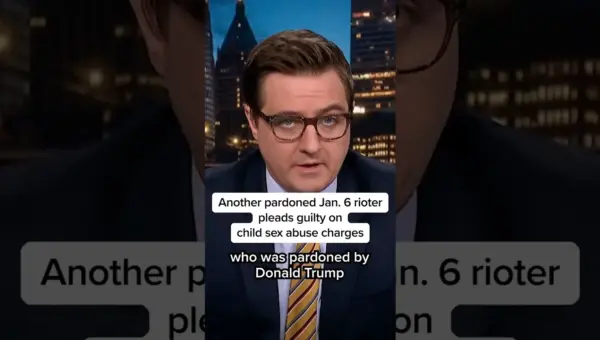
Pardoned Jan. 6 Rioter Arrested for Child Sex Abuse Charges
A man pardoned for his role in the January 6th Capitol riot has been arrested and charged with child sex abuse offenses. This marks the second such incident involving a pardoned Jan. 6 defendant facing similar severe allegations. The news has sparked public outrage and renewed scrutiny of the pardon process.