Lebanon, Israel Peace Talks: Land & Security Top Agenda
Peace talks between Lebanon and Israel are set to take place in Washington D.C., with land and security as key issues. The conflict in Southern Lebanon has displaced over a million people, and a firsthand account reveals the devastating human cost. Hezbollah's absence from the talks adds complexity, while the outcome could impact U.S.-Iran relations.

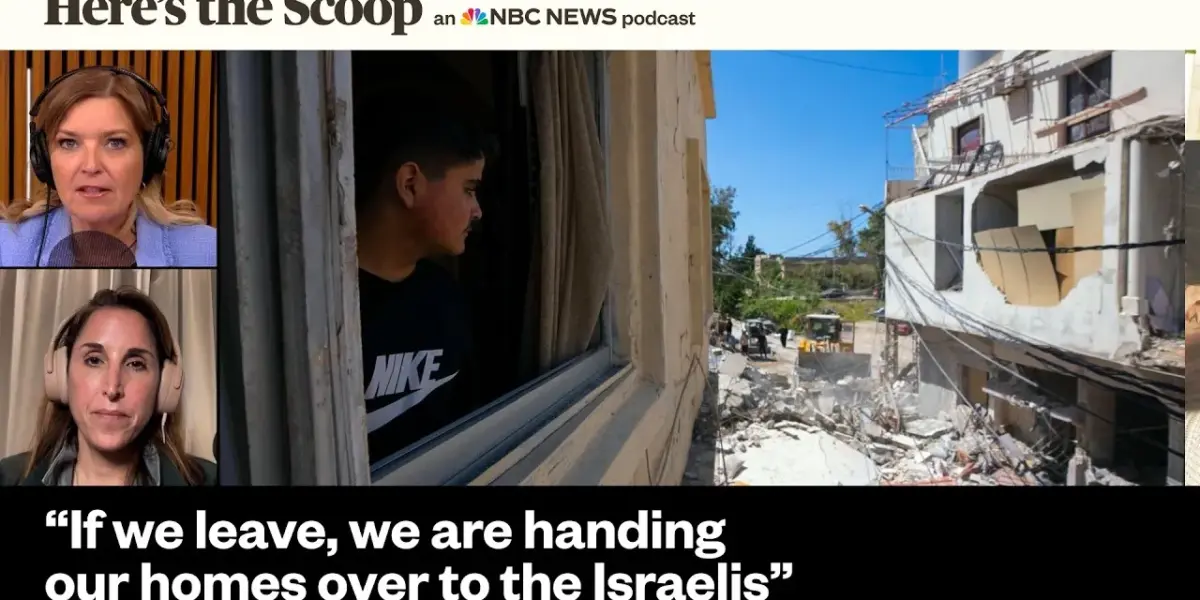
Southern Lebanon Braces for Crucial Peace Talks with Israel
Representatives from Lebanon and Israel are set to meet in Washington D.C. For peace talks, a significant event as it marks only the second time the countries’ representatives have met in decades.
The talks, scheduled for April 23rd, come amidst ongoing conflict in Southern Lebanon between Israel and Hezbollah, an Iran-backed group. Hezbollah will not be present at the negotiation table, though the outcome could still have far-reaching implications, including for U.S.-Iran relations.
Devastation in Southern Lebanon
NBC News correspondent Yasmin Vasoian provided a firsthand account from Southern Lebanon, detailing the immense impact of the ongoing conflict. Since the war began, Israel has conducted extensive bombardments and ground operations, displacing over a million people. Israeli Prime Minister Benjamin Netanyahu has stated his goal is to establish a security zone controlled by Israel after the war, citing the need for safety from Hezbollah attacks.
Vasoian described the challenging journey from Beirut to Southern Lebanon, noting the rebuilding of the Kasamiyya Bridge, a vital artery that was bombed by Israel. The bridge’s destruction was partly due to its role in supplying Hezbollah. Crossing the bridge revealed the devastation in the region, with yellow Hezbollah flags and images of Iranian leaders becoming more prominent as they moved south, highlighting Hezbollah’s strong presence and its ties to Iran.
A Family’s Tragedy
The human cost of the conflict was starkly illustrated by the story of Fadel, a man whose family was caught in an Israeli airstrike just before a ceasefire. Fadel was with his eight-year-old grandson when their building collapsed.
He recounted the harrowing experience of being trapped, the sounds of sirens, and the slow process of rescue. Tragically, five family members perished in the attack.
“My eight-year-old grandson needs therapy. You look at him and he’s completely not there. Sometimes he cries.
Sometimes he smiles. He doesn’t know how to act. He has lost control.
He lost everyone – his mother, his brother, his sister. They are all alone now.”
Fadel, now living in makeshift conditions, expressed his bewilderment and pain, questioning why his innocent family was targeted. Many civilians in the region feel they are caught in the crossfire, with nowhere safe to go.
The Dilemma of Displacement
The decision to stay or flee in Southern Lebanon is agonizing for many families. Some have moved north, while others remain, clinging to their homes and land despite the danger.
Vasoian spoke with a mother of two young girls who, despite surviving a strike on her home, urged her daughters to stay, emphasizing their connection to their land. She recounted her daughters’ fear, asking if planes were coming to destroy their toys.
Support for those affected comes from various sources, including Hezbollah, the Lebanese government, aid groups, friends, and family. Hezbollah, despite being designated a terrorist organization internationally, holds seats in the Lebanese parliament and provides assistance, which in turn helps it gain support within communities, similar to its role in Gaza.
Key Sticking Points in Negotiations
A major point of contention for the upcoming talks is Israel’s desire for a buffer zone in Southern Lebanon. This area is currently a de facto no-man’s-land, with residents urged to evacuate and those entering facing risks from the Israeli Defense Forces. Continued fighting within this zone makes it a critical issue for negotiations.
For Israel, the talks focus on two main questions: the normalization of relations with Lebanon, which has never had formal diplomatic ties, and the immediate issue of the ceasefire with Hezbollah. Key demands include the withdrawal of Israeli troops and the disarmament of Hezbollah, though the Lebanese government’s ability to enforce this is a major question.
Lebanese Government’s Stance
Lebanese officials have reacted negatively to the prospect of an indefinite Israeli presence in the buffer zone, viewing it as their rightful land and something that would be deeply unpopular domestically. They are demanding Israel’s full withdrawal from Lebanon and the release of Lebanese prisoners held in Israel.
While the Lebanese government appears more open to the idea of normalization than the general populace, the definition of normalization varies. Many in the government support peace and living side-by-side with Israel, seeing this diplomatic engagement as an unprecedented step towards that goal. However, Hezbollah remains strongly opposed to normalization and disarmament.
Hezbollah’s Position and Shifting Dynamics
Hezbollah has called the upcoming talks largely symbolic, especially concerning normalization and disarmament. While supportive of the ceasefire as long as Israel adheres to its terms, the group’s influence within Lebanon appears to be shifting. The Lebanese government is emerging as a force that may constrain Hezbollah, a reversal of previous dynamics.
This shift is partly attributed to a popular exhaustion with war and Lebanon’s significant economic challenges. The Lebanese government recognizes it must either risk isolation and continued control by Hezbollah or attempt to manage the group. Hezbollah’s representation in parliament has also decreased in recent years.
Implications for US-Iran Relations
The talks between Lebanon and Israel could influence negotiations between the U.S. and Iran. While direct impacts on U.S.-Iran talks might be minor, a breakdown in the Israel-Lebanon ceasefire could destabilize the entire region, potentially affecting the broader regional ceasefire. Iran views Hezbollah as a proxy, and continued conflict could lead to further escalation.
The meeting involves ambassadors from Lebanon and Israel to the United States, along with U.S. officials. An extension of the current ceasefire might not significantly impact U.S.-Iran talks, but a failure to maintain the truce could have wider consequences, given Iran’s strategic relationship with Hezbollah.
What’s Next?
The focus now shifts to the diplomatic discussions in Washington D.C. The ability of Lebanon and Israel to reach agreements on land, security, and the future role of Hezbollah will be closely watched. Any progress or setbacks in these talks could have significant ripple effects across the Middle East.
Source: Southern Lebanon Braces for Upcoming Peace Talks With Israel – April 22 | Here's the Scoop (YouTube)

Related Articles

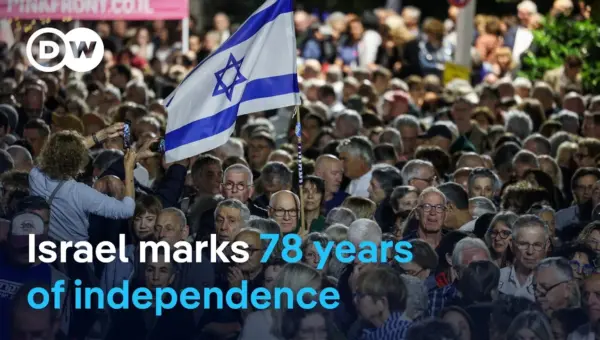
Israel Marks 78 Years Amid War, Deep Political Divides
Israel celebrated its 78th Independence Day amidst ongoing wars and deep political divisions. Official ceremonies were marked by somber reflections, while alternative events highlighted concerns over democracy. The nation grapples with unresolved security issues and complex international relations.

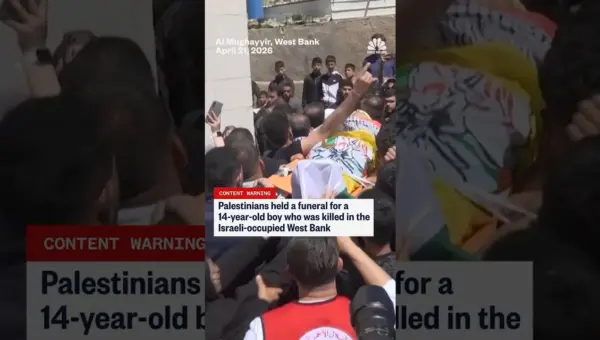
Tensions Flare as Teen Dies in West Bank Confrontation
Palestinians mourned a 14-year-old boy killed during a clash with Israeli forces in the occupied West Bank. The incident occurred in the Jenin refugee camp, a frequent site of conflict. His death has sparked renewed anger and calls for an investigation into the circumstances.

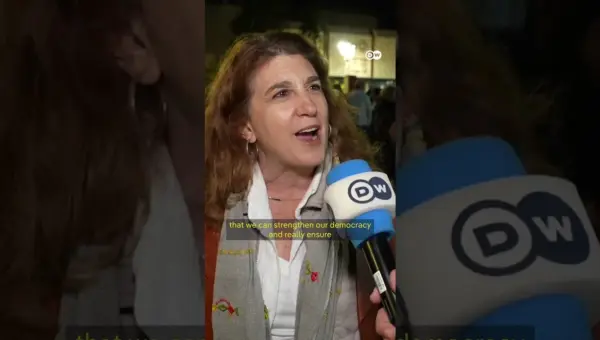
Israel Marks 78th Independence Day Amidst War and Division
Israel marked its 78th Independence Day with a blend of official ceremony and public dissent, reflecting deep national divisions. Many Israelis feel the government no longer represents their values, leading to alternative celebrations focused on strengthening democracy amidst ongoing conflict and a perceived moral crisis.