Iran Readies ‘New Cards’ Amidst US Sanctions Standoff
Iran is signaling a readiness to escalate its conflict with the U.S. and Israel, agreeing to talks in Pakistan amid demands for sanctions relief. Meanwhile, U.S. President Trump faces scrutiny over his narrative of the conflict, while geopolitical rivals China and Russia appear to benefit from the shifting global dynamics. Ukraine continues its push for financial aid and stronger sanctions against Russia.

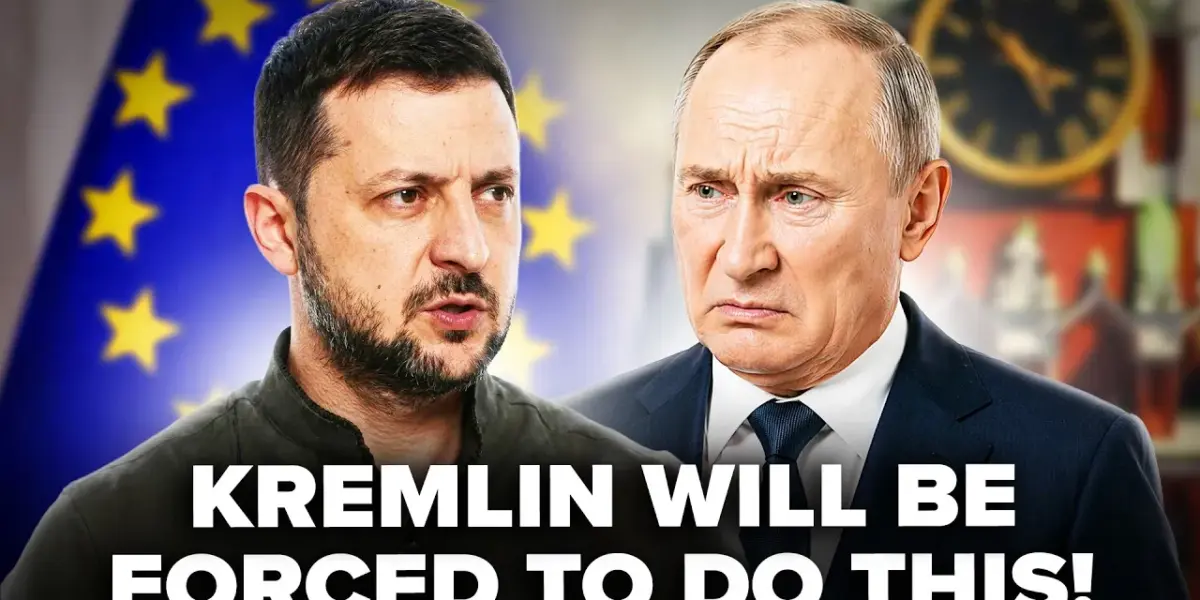
Iran Poised for Escalation as Sanctions Talks Intensify
Iran has signaled a readiness to unveil new strategies in its ongoing confrontation with the United States and Israel. This comes as the nation agreed to dispatch a negotiating delegation to Pakistan for talks, according to Axios. The Islamic Revolutionary Guard Corps (IRGC) has reportedly pushed for a hard line, demanding the lifting of U.S. sanctions before any discussions can occur.
U.S. Vice President Jay Vance, along with former Trump administration officials Steve Bannon and Jared Kushner, are expected to attend these critical negotiations in Pakistan. The talks aim to address key sticking points, with Iran demanding the removal of U.S. blockades and the U.S. seeking the reopening of the Strait of Hormuz, a vital international shipping lane. The U.S. has enforced its blockade by seizing an Iranian vessel just 48 hours prior to these developments.
‘New Cards’ Hint at Unseen Tactics
Mohammad Bagher Ghalibaf, Iran’s chief negotiator, stated on social media platform X that Tehran is prepared to reveal its ‘new cards’ in the conflict with the U.S. and Israel. He suggested that Donald Trump’s administration is attempting to force capitulation or justify renewed hostilities through blockades and ceasefire violations. Ghalibaf emphasized Iran’s rejection of negotiations under threat, indicating preparedness for actions beyond conventional battlefields.
The expert, Andre Dubanski from the Center for U.S.-Ukrainian Relations, suggested that Iran’s ‘new cards’ might not refer to specific military engagements but rather to its willingness to employ tactics beyond traditional warfare. He pointed to Iran’s advantage in drone warfare and its potential to launch sustained drone attacks, similar to those seen in other conflicts. This capability could be significantly escalated, posing a new challenge.
U.S. Narrative Faces Media Scrutiny
Meanwhile, U.S. President Donald Trump has publicly criticized major American media outlets, accusing them of misrepresenting the situation in the ongoing conflict. He claimed that the U.S. is winning by a wide margin and that military operations are progressing well. However, Trump alleged that publications like The New York Times and The Wall Street Journal are misleading readers into believing the U.S. is losing.
Dubanski commented that such government narratives, crafted without substantial on-the-ground research, risk devaluing the words of the U.S. president. He argued that a consistent pattern of making unsubstantiated claims, such as declaring victory multiple times or stating the Strait of Hormuz is open when it is not, erodes global trust in U.S. leadership. This can make it difficult for the international community to rely on official U.S. statements.
Geopolitical Ripples: China and Russia Benefit
The ongoing conflict and its associated policies are reportedly weakening U.S. influence globally, straining relationships with various nations. China, in particular, is seen as strategically capitalizing on these developments. By presenting itself as a stable diplomatic partner, China contrasts with the U.S. approach, which has involved imposing tariffs and what some perceive as economic warfare.
Russia is also benefiting from the current geopolitical climate. Ukraine’s ambassador to the U.S. has urged the reinstatement of sanctions on Russian oil to prevent Moscow from profiting from the escalation around Iran. The expert suggested that the U.S. might be considering pausing sanctions on Russia as a bargaining chip in potential future discussions with China, particularly concerning energy stability.
Europe’s Stance and Ukraine’s Financial Needs
European Union countries are increasing pressure on Russia’s ‘shadow fleet,’ which transports oil. Intercepting these vessels incurs significant daily costs for Russia, impacting its energy exports. Despite potential energy crises stemming from Iranian actions, Europe has shown resilience, shifting away from heavy reliance on Russian energy sources.
Ukraine is actively seeking financial support, with EU ambassadors expected to approve a substantial loan. However, the approval is reportedly contingent on restoring Russian oil transit to Hungary.
Ukraine is also pushing for the 20th package of sanctions against Russia, which has been delayed. The prospect of receiving both the loan and new sanctions could provide a significant boost to Ukraine’s efforts.
Peace Negotiations Remain Stalled
Turkey has expressed its readiness to facilitate peace negotiations between Ukraine and Russia at the presidential level. However, the current stage of negotiations is described as an impasse, primarily due to Russia’s apparent lack of interest in a ceasefire or genuine peace talks. Russia has previously shown unwillingness to commit to ceasefires, even during significant religious periods.
The expert recalled a previous Turkish offer for negotiations in Istanbul, where Ukrainian officials were prepared to meet. However, Russia sent only a low-level delegation, indicating a reluctance to engage in substantive discussions. This suggests that, for now, diplomatic solutions remain elusive amidst the ongoing conflict and strategic maneuvering by involved parties.
Source: ⚡️Kremlin was given an ultimatum! Urgent meeting on Ukraine. Trump made a statement (YouTube)

Related Articles


Trump’s Iran Policy: Humiliation or Prudence in Hormuz?
Iran's recent attacks on vessels in the Strait of Hormuz have sparked debate about President Trump's foreign policy. Critics argue his approach emboldens adversaries, while others see it as a prudent effort to avoid conflict.
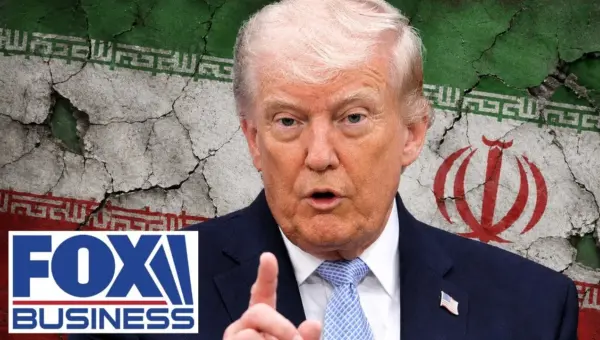
Iran Deal Talks Stall Amid Sanctions Debate
Peace talks with Iran have stalled indefinitely, raising concerns about regional stability and economic impacts. Meanwhile, a nominee for the Federal Reserve faces scrutiny over political influence, and a budget debate highlights differing spending priorities in Washington, particularly regarding border security versus economic relief.
Middle East Tensions Spike Amid Ship Attacks and Ceasefire Extension
Tensions flared in the Middle East as at least three ships were attacked in the Strait of Hormuz, despite an extended ceasefire with Iran. Meanwhile, a nominee for the Federal Reserve faced intense scrutiny over financial disclosures and independence from political pressure. Air quality reports also revealed unhealthy pollution levels affecting millions across the U.S.