Iran Attacks Ships Amid US Ceasefire Deal
Iranian gunfire struck at least three container ships in the Strait of Hormuz, with one vessel sustaining heavy damage. This incident follows President Trump's announcement of a ceasefire extension with Iran, contingent on a unified proposal from Iranian leaders. The U.S. continues its naval blockade of Iranian ports.

Iran Attacks Ships Amid US Ceasefire Deal
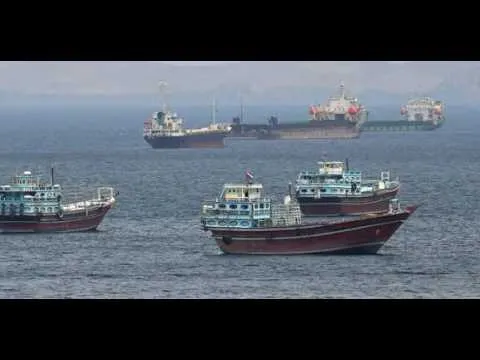
New reports show Iranian gunfire hit at least three container ships in the busy Strait of Hormuz. One ship, flying a Liberian flag, suffered serious damage after an Iranian gunboat approached and attacked it.
While two other ships were also targeted, they were not hit, and all sailors aboard are reported safe. Maritime officials are now warning other ships to watch for anything unusual in the area.
This event happened just after President Trump announced an extension of a ceasefire agreement with Iran. He stated that the U.S. was asked to pause its military actions against Iran.
This pause will last until Iran can present a unified proposal for talks. The President has also ordered the U.S. military to keep blocking Iranian ports in the Strait of Hormuz.
Ceasefire Extension and Diplomatic Moves
President Trump announced the ceasefire extension a day before the previous agreement was set to end. He explained that Iran’s government is deeply divided.
Following requests from leaders in Pakistan, the U.S. agreed to hold off on attacks. This pause is intended to give Iran’s leaders time to create a unified plan for discussions.
The President has directed the U.S. military to maintain the blockade of Iranian ports. They are also to remain ready for any situation.
The ceasefire will continue until Iran submits its proposal and talks are finished. This move comes as Iran’s leadership faces internal disagreements.
President Trump believes Iran can become a strong, legitimate country. He contrasts this with its current path, which he describes as based on “death and horror.” He sees his actions as indirectly leading to regime change. He feels the U.S. is in a strong position to negotiate, unlike in past decades.
Call for Release of Iranian Women
In a direct address to Iran’s leaders, President Trump asked for the release of eight Iranian women facing execution. He suggested this would be a positive start to upcoming negotiations. He believes this action would show goodwill before talks begin.
President Trump also criticized Democrats for comments made about Operation Epic Fury. He argued that such criticism harms ongoing negotiations.
He stated that negative talk during this sensitive period gives the opposing side false hope. He wants Iran to have no hope of benefiting from internal U.S. political divisions.
U.S. Naval Actions and International Sanctions
The U.S. military continues to enforce a blockade on Iranian ports in the Strait of Hormuz. President Trump claims Iran has broken the ceasefire agreement multiple times.
Recently, U.S. forces captured an Iranian cargo ship in the Gulf of Oman. The ship tried to get past the U.S. naval blockade.
Shipping records show this Iranian ship has frequently visited Chinese ports. For years, China has supported Iran by buying most of its oil. This has been done despite international sanctions.
China has also supplied Iran with important parts for its missile and drone programs. The captured ship was already on a U.S. sanctions list since 2019.
The Department of War announced they intercepted a sanctioned oil tanker without a specific flag in the Indo-Pacific region. The U.S. stated its commitment to preventing those involved in illegal activities and their ships from operating freely.
Why This Matters
The Strait of Hormuz is a crucial waterway for global oil transport, with about 20% of the world’s oil passing through it daily. Any disruption here can cause significant price increases for oil and gas worldwide.
The recent attacks and seizures highlight the ongoing tensions between the U.S. and Iran. They also show the complex international relationships involved, particularly Iran’s ties with China.
Implications and Future Outlook
These events could affect ongoing diplomatic efforts. The U.S. approach, combining a ceasefire with continued pressure like blockades and seizures, aims to force Iran to negotiate from a weaker position. However, such actions can also lead to escalation and further instability in a vital region.
Iran’s actions, such as attacking ships, suggest defiance or a response to perceived pressure. The involvement of China, a major economic partner for Iran, adds another layer of complexity. China’s continued support, despite U.S. sanctions, shows the limits of American influence and the challenges of enforcing international economic restrictions.
Historical Context
The Strait of Hormuz has long been a flashpoint. In the past, Iran has threatened to close the strait in response to international pressure.
The U.S. Navy has maintained a strong presence there to ensure freedom of navigation and protect oil shipments. This current situation is part of a longer history of strategic competition and conflict in the Persian Gulf region.
The U.S. policy of applying sanctions and military pressure on Iran is not new. However, the current administration’s approach, including direct calls for internal change in Iran and specific negotiation tactics, marks a distinct phase. The extension of the ceasefire, while seemingly a diplomatic step, is framed within a strategy of increasing U.S. leverage.
The U.S. seizure of Iranian-flagged vessels, especially those linked to sanctions evasion and potentially military support, signals a hardening stance. These actions are aimed at disrupting Iran’s ability to fund its activities and acquire sensitive technology. The connection to Chinese ports and trade highlights the global dimension of these sanctions and the challenges in their enforcement.
The next step in this situation will likely depend on Iran’s response to the ceasefire extension and the U.S. negotiating demands. The upcoming discussions, if they occur, will be closely watched. Their success or failure will determine the immediate future of U.S.-Iran relations and regional stability.
Source: Iran Seizes 2 Container Ships After Opening Fire in Strait of Hormuz (YouTube)

Related Articles
Iran Attacks Ships: Trump’s Ceasefire Humiliates US
Iran's recent attacks on commercial vessels in the Strait of Hormuz have intensified regional tensions, sparking criticism of the U.S. leadership's handling of the situation. The decision to extend a ceasefire is being viewed as a humiliating misstep that has emboldened Iran.
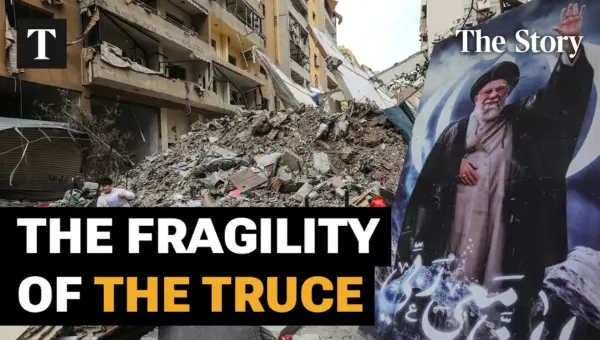
Lebanon Ceasefire: A Fragile Pause in Middle East Conflict
A fragile 10-day ceasefire between Israel and Hezbollah has brought a brief pause to intense fighting in Lebanon. The truce, brokered through external pressure from the U.S. and Iran, highlights the deep influence of these global powers on regional stability. However, analysts suggest lasting peace depends on decisions made in Tehran and Washington, not Beirut.
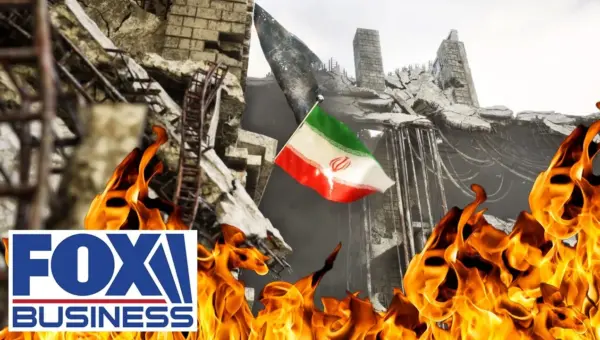
Iran’s Regime Faces Economic Collapse Amid Sanctions
Iran's regime is facing severe economic pressure from U.S. blockades and regional actions, costing it $500 million daily. Meanwhile, NATO allies are urged to increase defense spending amid rising Russian provocations.