Lebanon Ceasefire: A Fragile Pause in Middle East Conflict
A fragile 10-day ceasefire between Israel and Hezbollah has brought a brief pause to intense fighting in Lebanon. The truce, brokered through external pressure from the U.S. and Iran, highlights the deep influence of these global powers on regional stability. However, analysts suggest lasting peace depends on decisions made in Tehran and Washington, not Beirut.

Lebanon Ceasefire: A Fragile Pause in Middle East Conflict
A temporary ceasefire has brought a brief halt to the intense fighting between Israel and Hezbollah in Lebanon. The agreement, announced by U.S. President Donald Trump, aims to create a pause in hostilities. However, analysts suggest that lasting peace hinges on decisions made far beyond Lebanon’s borders, specifically between the United States and Iran.
Devastation in Southern Lebanon
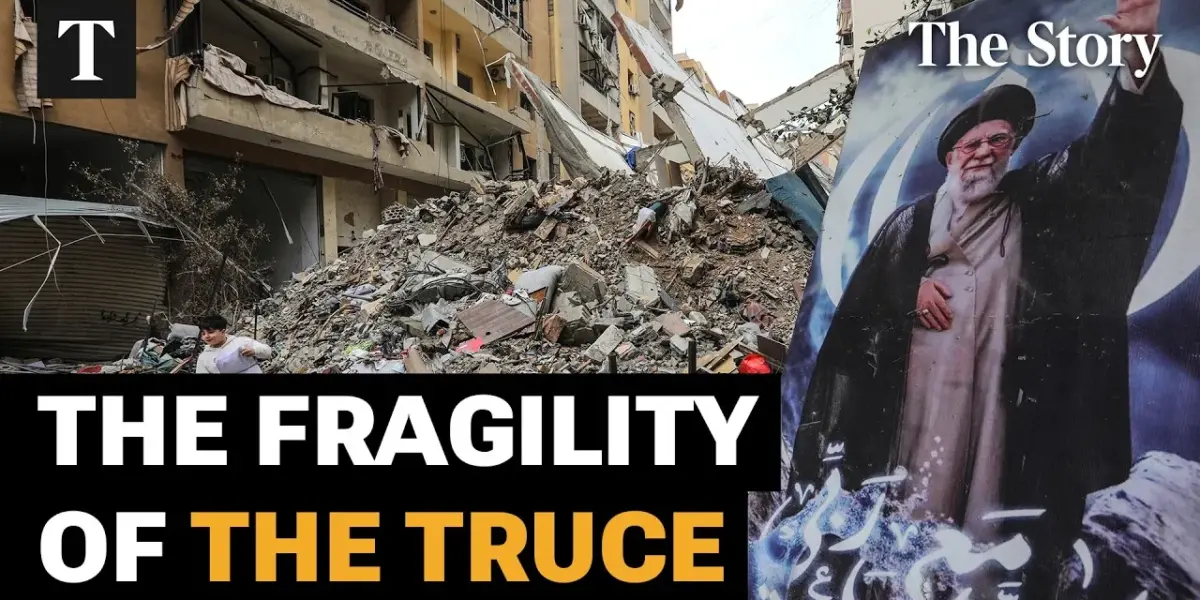
Journalists visiting the southern suburbs of Beirut, a Hezbollah stronghold, witnessed scenes of widespread destruction. Hezbollah organized tours for foreign press to showcase the aftermath of Israeli airstrikes. These strikes, particularly a wave on April 8th dubbed “Black Wednesday,” resulted in immense damage and loss of life.
One Hezbollah-affiliated Member of Parliament guided reporters through the rubble, highlighting destroyed businesses like a supermarket. He spoke of civilian deaths and blamed Israel and the United States for the ongoing conflict. Young men gathered around piles of debris, chanting the name of Hezbollah’s former leader, Nasrallah, while Israeli surveillance drones monitored the area overhead.
“Black Wednesday”: A Day of Destruction
“Black Wednesday” stands out as the most devastating day of the recent conflict for Lebanon. Over 100 Israeli strikes hit the country in just 10 minutes, killing more than 300 people, including civilians and combatants. In Beirut, families were seen digging through rubble for the remains of loved ones.
Reporter Jack Clover described seeing a building in West Beirut completely vanish, leaving only exposed stairwells in adjacent structures and burnt-out cars. Another strike caused an entire building to collapse after rockets hit a single apartment. The scale of destruction was comparable to what has been seen in other conflict zones.
Ceasefire Negotiations: External Influence
The ceasefire was not primarily brokered within Lebanon but resulted from pressure from both American and Iranian officials. Iran indicated it would not engage in further talks until a ceasefire was in place. The U.S. then convened Lebanese and Israeli representatives, with President Trump announcing the truce.
Interestingly, the ceasefire announcement came as a surprise even to some Israeli ministers. The wording of President Trump’s social media posts also caused confusion, as he referred to a war between Lebanon and Israel, when the conflict was specifically between Israel and Hezbollah.
Terms of the Truce and Lingering Tensions
The terms of the ceasefire are described as vague. Israel retains the right to act in self-defense, a condition they have invoked during minor altercations. The U.S. has called on Lebanon to take steps to limit and disarm Hezbollah and other armed groups, but there has been no assertion that Israel must withdraw from occupied Lebanese territory.
Hezbollah has largely adhered to the ceasefire, likely due to directives from Iran, which benefits from a pause in negotiations. However, minor clashes have occurred, with Israel stating they were acting in self-defense against Hezbollah militants in southern Lebanon.
Lebanese Reaction: Relief and Uncertainty
For most Lebanese people, the ceasefire brought a sense of relief, offering a chance to return to some semblance of normal life. Over 1.2 million people had been displaced from southern Lebanon and Beirut’s southern suburbs. However, this relief is mixed with uncertainty, as the 10-day truce is seen as a temporary pause, not a lasting peace.
There is controversy within Lebanon, particularly among Hezbollah supporters, who oppose any engagement with Israel. Many in the Shia community, which Hezbollah largely represents, were against the talks. This sentiment was amplified shortly after the devastating “Black Wednesday” strikes.
Israeli Perspective: Frustration and Unmet Goals
In Israel, the ceasefire has been met with frustration. Prime Minister Netanyahu’s own ministers were not informed of the deal beforehand, leading to anger.
Residents of northern Israel, who have been evacuated due to Hezbollah rocket fire, are also displeased. The fundamental issue of Hezbollah’s rocket capabilities remains unresolved.
Hezbollah had demanded Israel’s withdrawal from all Lebanese territory and a “quiet for quiet” arrangement, neither of which has been met. Israel maintains a presence in a reinforced security zone, and Hezbollah remains committed to its stance of “resistance” and self-defense.
Hezbollah: A Persistent Force
Despite past Israeli assessments of significant weakening, Hezbollah remains a potent force. The assassination of its charismatic leader, Hassan Nasrallah, in 2024 was a major blow, but the group has managed to replenish its ranks and arsenal. This resilience is partly attributed to its activities during the chaos surrounding the Syrian regime’s struggles, allowing it to acquire weapons.
Hezbollah continues to receive substantial financial and military support from Iran. The group also acts as a major employer in impoverished areas of Lebanon, providing essential services and jobs, which strengthens its hold on the local population. Many young men are drawn to Hezbollah, viewing martyrdom and resistance as a noble calling deeply rooted in their religious philosophy.
The Iran Connection: Key to De-escalation?
The ongoing conflict and the future of Hezbollah are heavily tied to Iran’s strategic interests. While Iran is currently weakened, it holds significant leverage in regional negotiations. U.S. focus has shifted towards preventing Iran from acquiring nuclear weapons, with less emphasis on pressuring Tehran to halt its funding of proxies like Hezbollah.
For Iran, Hezbollah is a crucial “long arm,” projecting its influence and power. Disarming Hezbollah would fundamentally alter its purpose and strategic value to Tehran, making Iran unlikely to agree to such terms unless under extreme duress. The internal politics of Lebanon, with its sectarian divisions, also complicate any forceful disarmament efforts, as it could reignite a civil war.
Future Outlook: Decisions Beyond Lebanon
The current ceasefire represents a critical juncture for both Hezbollah and the broader Middle East. However, the ultimate decisions regarding Hezbollah’s future and regional stability will likely be made in Tehran and through U.S.-Iran negotiations, rather than within Lebanon itself.
While the U.S. may have limited direct interest in Lebanon, its relationship with Israel and broader regional strategy will influence events. The effectiveness of the current ceasefire and the potential for future de-escalation depend heavily on the ongoing diplomatic efforts between global powers and Iran.
Source: Is Lebanon The Key To Peace In The Middle East? (YouTube)

Related Articles

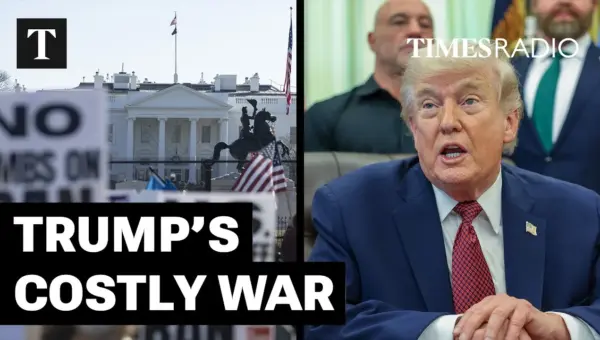
Trump’s Iran Standoff: A Costly War With No Clear Win
President Trump's strategy in the Iran conflict is under scrutiny as the costly standoff yields no clear victory. Key objectives, like securing passage through the Strait of Hormuz, remain unmet, while domestic and international economic impacts persist. Both sides face difficulties in claiming success amid ongoing tensions.
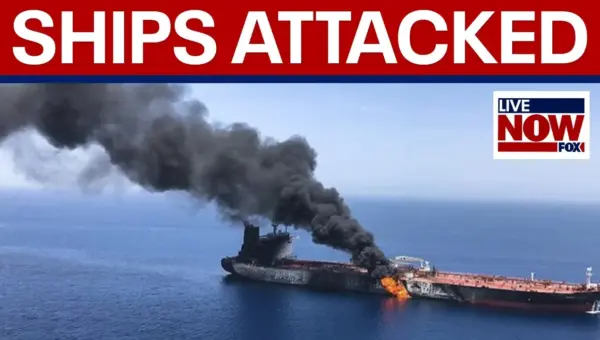
Iran Attacks Ships in Strait of Hormuz Amid Ceasefire Concerns
At least two ships have been attacked in the Strait of Hormuz, a critical shipping lane, raising new questions about ongoing efforts to de-escalate tensions. Iran's paramilitary Revolutionary Guard has reportedly attacked a third vessel. This news comes as a ceasefire between the US and Iran was extended, creating a confusing picture of the current situation.

Trump Orders Military on Standby as Iran Ceasefire Extended
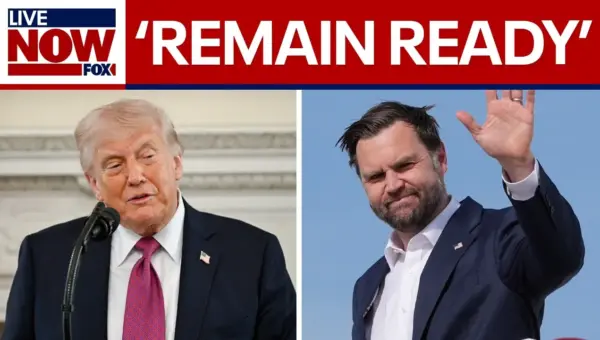
President Trump has placed the U.S. military on standby as a ceasefire with Iran has been extended. This decision comes amid complex negotiations, with Washington considering various strategies, including potential escalation, to address Iran's nuclear program and regional actions.