Iran Nuclear Talks Stall Amidst Enrichment Dispute
Discussions on Iran's nuclear program are stalled, with uranium enrichment remaining a key point of contention. Meanwhile, a Ukrainian diplomatic gambit involving the name 'Don Land' aims to capture U.S. attention. The EU is proceeding with significant financial aid for Ukraine, despite fluctuating U.S. sanctions policy impacting Russian oil.

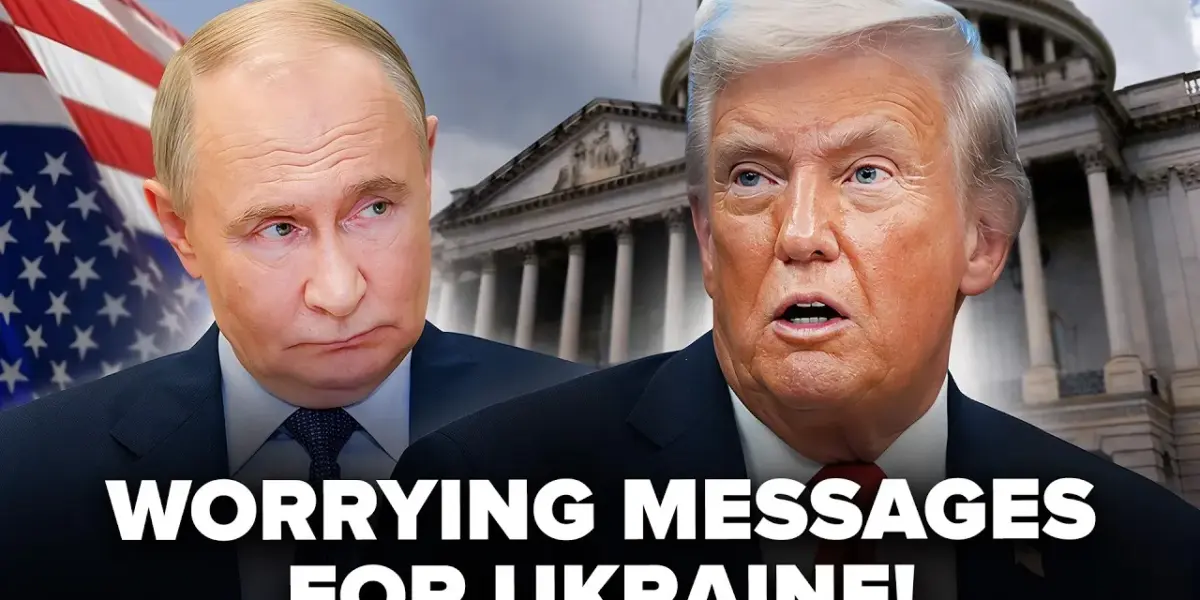
Iran Nuclear Program Remains Key Obstacle in Talks
Negotiations regarding Iran’s nuclear program face significant hurdles, primarily centered on the nation’s uranium enrichment activities. President Trump has expressed confidence in reaching a peace agreement with Iran, but anticipates the current ceasefire regime, set to expire April 22nd, will not be extended.
The core disagreement remains Iran’s refusal to fully abandon its nuclear program, particularly its insistence on the right to enrich uranium. This issue mirrors the central tensions of the 2015 Joint Comprehensive Plan of Action (JCPOA), also known as the Obama-era nuclear deal.
The fundamental principle of any potential agreement involves Iran accepting restrictions on its nuclear program in exchange for the lifting of economic sanctions. However, Iran views uranium enrichment as an inalienable right for any nation, a stance firmly rejected by the Trump administration. This deadlock over enrichment technology has proven to be the most significant obstacle, echoing the protracted negotiations that led to the JCPOA, which took two years to finalize.
Iran Signals Resistance to Pressure in Negotiations
Mohammad Bagher Ghalibaf, Speaker of the Iranian Parliament and a key figure in the negotiation process, stated that Iran will not negotiate under pressure. He suggested Iran possesses ‘new cards’ to play in its conflict with the United States, hinting at potential asymmetric capabilities beyond its known arsenal. These statements, reported by The Telegraph, raise questions about Iran’s strategic options if talks fail.
Potential Iranian Leverage Points Explored
Analysts suggest Iran might leverage its proxies, such as the Houthi rebels in Yemen, to disrupt vital shipping lanes. While the Strait of Hormuz is a primary focus, the Bab el-Mandeb strait is another critical chokepoint for regional trade, particularly for Saudi Arabia.
The Houthis, supported by Iran, have the capability to threaten passage through this waterway. Beyond conventional threats, the possibility of undisclosed missile systems or even nuclear capabilities has been discussed, though the use of nuclear weapons would invite catastrophic retaliation, a fact acknowledged by both Iran and the U.S.
‘Don Land’ Proposal Highlights Trump’s Role in Diplomacy
A lighthearted proposal from Ukrainian negotiators to rename a disputed part of the Donbas region ‘Don Land’ was reportedly made to flatter President Trump and encourage stronger U.S. pressure on Russia. While initially seeming humorous, the tactic reflects an understanding of Trump’s personal approach to diplomacy. This mirrors instances where naming conventions or personal appeals have influenced his engagement, such as the naming of a region between Armenia and Azerbaijan after him.
Strategic Implications for Ukraine and Russia
The ‘Don Land’ anecdote suggests that appealing directly to President Trump’s ego or personal interests could be a strategy to keep the Ukraine conflict in focus, particularly as the U.S. approaches midterm elections. For the Kremlin, a prolonged period without active negotiations and continued military pressure serves their interests. The Ukrainian side, however, maintains its readiness to negotiate, while Russia, under President Putin, appears committed to a military-first approach, seeking to gain territory and hoping for Western resolve to falter.
EU Grapples with Sanctions, Energy Prices, and Ukraine Aid
European nations, including Germany, are emphasizing the need to increase pressure on Russia, particularly its energy sector, to prevent it from benefiting from global energy price hikes. However, the United States has temporarily lifted some sanctions on Russian oil, a move primarily driven by domestic concerns over rising gasoline prices ahead of the midterm elections. This decision, intended as a short-term measure, provides Russia with crucial financial breathing room for its military machine.
EU Financial Support for Ukraine Moves Forward
Despite U.S. sanctions adjustments, the European Union is moving forward with a substantial aid package for Ukraine. The EU is set to unlock funding under a 90 billion euro credit program, with initial disbursements expected in May, pending final approvals.
While bureaucratic hurdles and the need for unanimous consent among member states can pose challenges, the general consensus within the EU supports financial assistance to Ukraine. This initiative signals Europe’s commitment to Ukraine’s future and its increasing assumption of regional security responsibilities.
The participation of countries like Hungary, which has previously blocked EU initiatives, is a key factor. However, nations like Bulgaria and Slovakia, which are heavily reliant on EU grants, are less likely to oppose financial aid to Ukraine, making the program’s approval more secure than in previous instances. This financial backing is seen as a vital signal of solidarity and a commitment to Ukraine’s integration into the European family.
Source: 😱Kyiv stunned by statements about war! Putin didn't expect this turn. US has reacted (YouTube)

Related Articles


US-Iran Tensions: What Happens If Talks Collapse?
The failure of upcoming U.S.-Iran talks could plunge the Middle East into a dangerous new phase. Analysts warn of three potential scenarios, ranging from a fragile de facto ceasefire to renewed hostilities initiated by either side. Without a formal agreement, the risk of an incident triggering wider conflict remains high.
Trump Halts Iran Talks, Extends Ceasefire Amid Nuclear Standoff
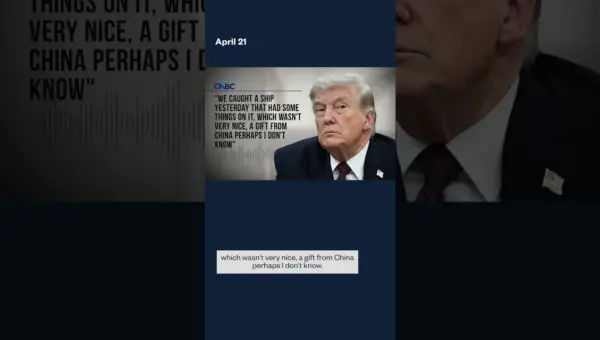
President Trump has extended a ceasefire as crucial nuclear talks with Iran have collapsed, with Vice President Vance returning to the White House after Iran refused to attend negotiations. The U.S. cited Iran's refusal to commit to talks and its recent aggressive actions, including firing on an oil tanker, as reasons for the breakdown. Despite economic pressure, Iran's military capabilities remain significant.

US Demands New Iran Deal, China Watches Closely
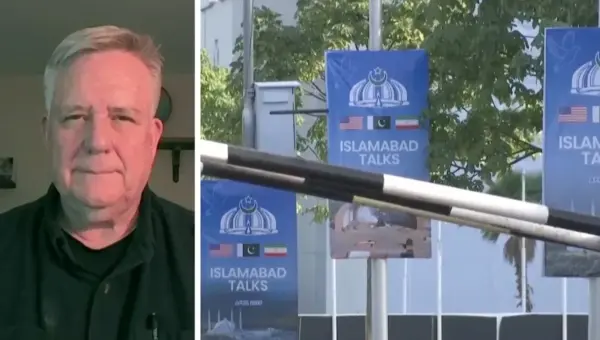
The US is applying intense economic and diplomatic pressure on Iran, demanding unified proposals for negotiations. This new, tougher stance contrasts with previous American flexibility. Meanwhile, China's long-standing ties with Iran are being closely watched, and US actions in the Middle East are seen as a potential deterrent to Chinese military aggression.