Iran Deal Hinges on Trust, Not Just Promises
Congressman Ryan Zinke discusses the complexities of a potential U.S.-Iran deal, emphasizing that trust must precede cooperation. He highlights concerns about Iran's nuclear ambitions, the importance of energy independence, and the need for allies to share global security burdens.

Iran Deal Hinges on Trust, Not Just Promises
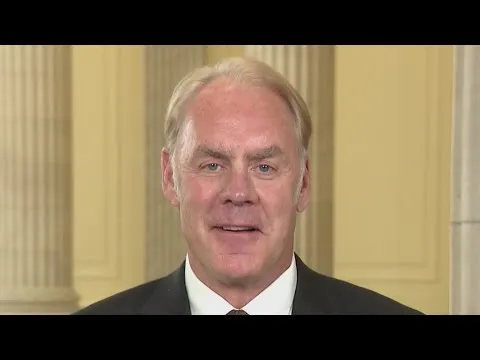
A potential deal involving Iran and the United States has sparked discussion, with a focus on whether trust can be built before cooperation is expected. Republican Congressman Ryan Zinke, a former Navy SEAL commander and chair of a House Foreign Affairs Committee task force, shared his views on the matter. He believes that a crucial element in any agreement with Iran is establishing trust, suggesting that true cooperation can only follow once that foundation is laid.
Zinke highlighted President Trump’s past actions as key to understanding the current situation. He noted that Trump’s administration took steps to counter Iran’s influence, particularly by preventing the nation from obtaining nuclear weapons.
This involved targeting political and military leadership and significantly weakening Iran’s navy. Zinke pointed out that these actions, in his view, contributed to lower oil prices, which he sees as beneficial for the economy.
The Importance of Energy Stability
The discussion touched on the cost of gas for American consumers. Zinke expressed optimism that prices would soon decrease, aiming for a stable oil price range between $65 and $75 per barrel.
He described this range as a “sweet spot” where companies can profit and the economy thrives. This stability, he argued, is linked to broader energy policies and a lesson learned from supply chain disruptions during the COVID-19 pandemic.
Zinke emphasized the vulnerability created by relying too heavily on energy from the Middle East. He recalled how supply chains became a major concern, illustrating how narrow shipping channels like the Strait of Hormuz can pose significant risks. If Iran possessed nuclear weapons, he warned, it could hold global security hostage, as seen when conflicts caused gas prices to skyrocket.
Diversification and Energy Independence
A key takeaway from past events, according to Zinke, is the need to diversify energy sources. He noted that the United States has abundant natural gas, which can reduce reliance on foreign oil.
Zinke recalled that under his tenure as Secretary, U.S. oil production increased significantly, moving from declining output to a rising trend. He believes this energy independence prevents the U.S. from being held hostage by other nations, likening it to the situations of countries like Korea or China.
President Trump’s focus on energy independence and dominance was seen as a positive step. Zinke stated that this approach prevents the U.S. from being controlled by any single country. This self-sufficiency is presented as a critical national security asset, ensuring greater freedom of action on the global stage.
Examining the Potential Deal
Reports suggest a potential deal where Iran might hand over enriched uranium in exchange for about $20 billion in sanctions relief. Zinke addressed this possibility, reiterating President Trump’s main goals: no nuclear weapons, no nuclear material, and no arsenal of destruction for Iran. He stressed that any agreement must include a process of “trust but verify” to ensure Iran is not developing nuclear weapons in secret.
Zinke expressed a personal desire to see Iran play a constructive role in the region. He acknowledged that the Persian people are intelligent and deserve a government that allows them to prosper. He believes the Middle East could enter a “golden era” of economic growth, and Iran could be a part of that if it ceases support for groups like Hezbollah and Hamas.
Allies and Global Cooperation
The conversation also touched upon the role of allies, particularly in NATO. Zinke expressed a less than enthusiastic view of some European allies, describing them as “deadbeat husbands” who criticize while relying on U.S. support without contributing equally. He suggested a need for a reset, where all nations fulfill their responsibilities.
Zinke affirmed the importance of NATO for global security but insisted that every member must contribute their fair share. He pointed out that the U.S. bears a significant military and financial burden. He used a tug-of-war analogy, stating that the U.S. cannot win alone and requires its allies to actively participate and pull their weight.
Looking Ahead: Midterms and Future Leadership
Zinke announced his retirement from Congress after 23 years of service, including his time in the Navy SEALs. He compared himself to a battleship returning to port for refit, indicating a desire for a new phase of service. He plans to continue defending the country in different capacities.
Discussing the upcoming midterm elections, Zinke acknowledged historical trends but cautioned against predicting the future based solely on past performance, especially with President Trump. He believes the House will likely remain Republican but stressed the need to earn every vote. He outlined three key factors for a positive outcome: the economy must feel better to Americans, interest rates need to decrease, and energy costs must fall further.
Zinke also commented on potential future Republican leadership, mentioning JD Vance and Marco Rubio. He described both as talented individuals and suggested that President Trump’s endorsement would likely be decisive. He expressed confidence in the choices available for the party’s future.
Why This Matters
This discussion highlights critical issues in U.S. foreign policy and national security, particularly concerning Iran’s nuclear ambitions and regional influence. The emphasis on building trust before establishing cooperation with Iran is a complex challenge, requiring careful verification and a long-term strategy. Zinke’s comments on energy independence and the need for allies to contribute more directly address ongoing debates about America’s role in global security and economic stability.
The debate over sanctions relief for Iran versus strict non-proliferation measures is central to preventing a nuclear arms race in a volatile region. The potential for Iran to become a constructive partner, rather than a destabilizing force, depends heavily on the international community’s ability to negotiate and enforce agreements. The future of global energy markets and the economic well-being of consumers are also directly impacted by these geopolitical developments.
Implications and Future Outlook
The future relationship with Iran remains uncertain, with potential deals requiring a delicate balance of diplomacy and deterrence. If trust can be established, Iran could shift from being a source of regional instability to a participant in economic growth. However, the path to verification and sustained cooperation is fraught with challenges, given decades of mistrust and adversarial actions.
The broader implications extend to global alliances and burden-sharing. Zinke’s critique of NATO members suggests a continued push for greater accountability from allies. This could lead to a re-evaluation of security commitments and financial contributions, potentially reshaping international defense structures.
Looking ahead, the economic factors Zinke mentioned—inflation, interest rates, and energy prices—will likely continue to influence political outcomes. The success of any administration in addressing these concerns will be crucial for public confidence and electoral results. The ongoing geopolitical tensions and the need for stable energy supplies mean these issues will remain at the forefront of policy discussions for years to come.
Historical Context
The U.S.-Iran relationship has a long and complex history, marked by periods of cooperation and intense hostility. The 1953 coup, the 1979 Islamic Revolution, the Iran hostage crisis, and subsequent U.S. sanctions have created deep-seated animosity. President Trump’s “maximum pressure” campaign aimed to curb Iran’s nuclear program and its support for regional proxy groups, a policy that intensified these tensions.
Discussions about Iran’s nuclear program have been ongoing for decades, leading to agreements like the Joint Comprehensive Plan of Action (JCPOA) in 2015. The U.S. withdrawal from the JCPOA under the Trump administration and Iran’s subsequent steps to increase its uranium enrichment have brought the issue back to a critical point. The current considerations for a new deal reflect the persistent challenge of ensuring Iran does not acquire nuclear weapons while navigating regional security concerns.
The role of allies in international security is also a recurring theme in U.S. foreign policy. Historically, alliances like NATO have been cornerstones of collective defense, but debates about fairness in burden-sharing have often surfaced, especially during times of significant U.S. military and financial commitment abroad. Zinke’s comments reflect a continuation of this long-standing discussion.
Source: Trump winning in Iran comes down to trust now, cooperation later: Rep Ryan Zinke | Batya! (YouTube)

Related Articles

Ukraine Strikes Russian Oil Hubs, Shifting War’s Economic Front
Ukraine's targeted strikes on Russian oil and gas infrastructure are creating an "oil apocalypse," crippling Moscow's war funding. Momentum has shifted, with Russia facing mounting losses and diplomatic isolation. European nations are urged to bolster Ukraine's long-range strike capabilities to sustain this economic pressure.
Iran Nuclear Deal Talks Stall Amid Strait of Hormuz Tensions
Tensions are high over the Strait of Hormuz as conflicting reports emerge regarding Iran's nuclear program and potential peace talks. Despite claims of openness, Iran fired on a tanker, while the U.S. maintains sanctions. Experts are skeptical of a breakthrough, citing Iran's firm stance on enrichment and its regional influence.
US Oil Waiver Boosts Putin’s War Chest, Critics Say
The United States has issued a one-month waiver allowing the purchase of sanctioned Russian oil at sea, a move that has significantly boosted Russia's oil revenues. Critics argue this decision undermines international sanctions and aids Moscow's war efforts. Experts are now watching to see if these waivers will be extended and how Europe will maintain pressure on Russia.