China Dominates EV Batteries; Rivals Race to Catch Up
China leads the world in electric vehicle battery production, leveraging cost-effective LFP technology and government support. As global rivals race to catch up and secure their own supply chains, innovation in battery chemistry and recycling is becoming crucial for future market competitiveness.

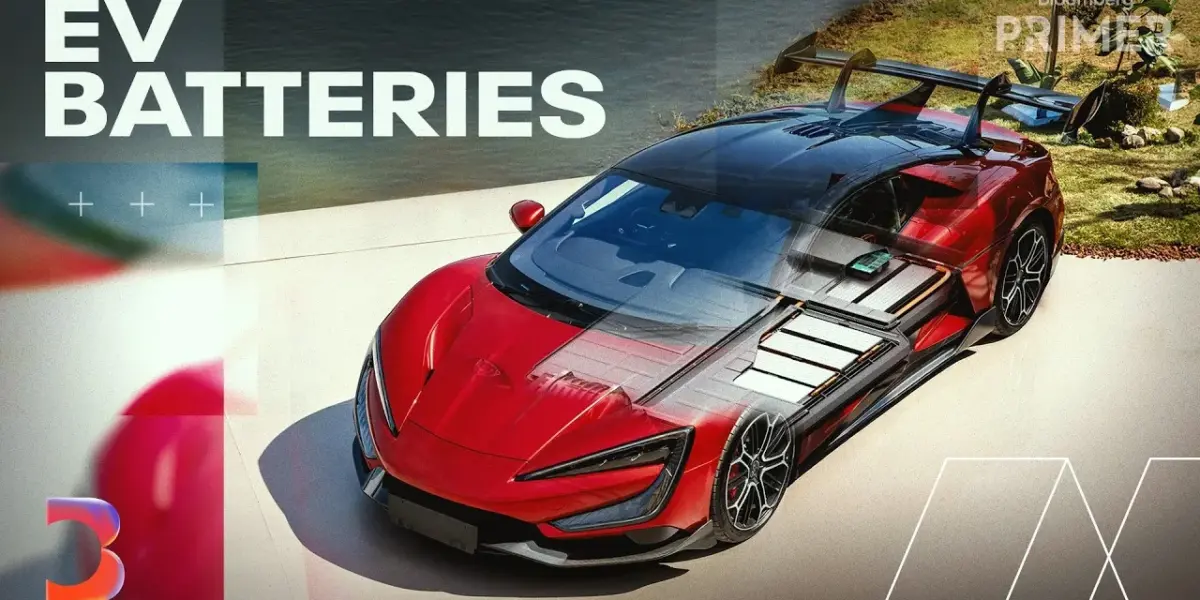
China’s Grip on EV Batteries Tightens, Sparking Global Race
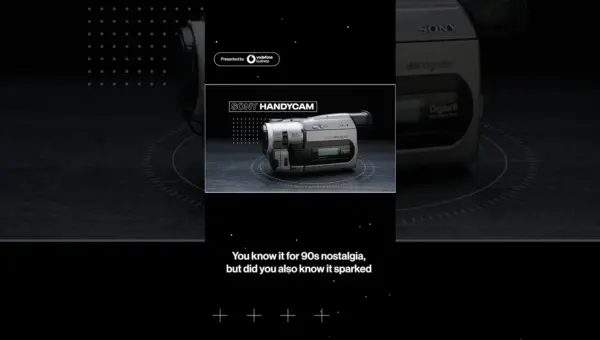
The lithium-ion battery, first popularized by Sony three decades ago, revolutionized consumer electronics. Today, these powerful and lighter batteries are driving a new revolution in electric vehicles (EVs).
China is now the undisputed leader in this critical technology. Four of the world’s top five battery makers are based in China, with BYD even competing with Tesla for the title of the largest EV manufacturer globally.
This dominance allows Chinese companies to offer EVs that are, on average, cheaper than comparable gasoline cars. This success fuels intense domestic competition, pushing Chinese firms to expand their reach into international markets. While the US and EU have been cautious about Chinese EV imports, many emerging markets have welcomed them, reshaping global power dynamics in the automotive sector.
Understanding the Battery’s Inner Workings and China’s Supply Chain Control
An electric car is essentially a battery on wheels. The power comes from lithium-ion batteries, which convert chemical energy into electricity. Inside these batteries are layers: a cathode (often made of special metal combinations) and an anode (typically graphite).
Charged lithium atoms, called ions, move between these layers, creating the electrical current that powers the vehicle. A separator prevents the cathode and anode from touching, while an electrolyte liquid helps the ions flow.
The complexity lies in the supply chain for these components. Raw materials like lithium are mined in places like Chile and Australia. These materials are then shipped to China, where they are processed into refined chemicals and powders needed for battery production.
This processing step is a key bottleneck where China holds significant control. The Chinese government has supported this industry for decades, pouring billions into subsidies and making batteries a strategic priority under its “Made in China 2025” plan.
LFP Batteries: China’s Cost-Saving Innovation
China’s strategic focus has helped its battery companies commercialize battery chemistries that lead to cheaper EVs. For instance, BYD’s popular Seagull EV in China costs roughly one-third of a comparable new EV in the U.S. This cost advantage is partly due to the use of Lithium Iron Phosphate (LFP) batteries. While initially developed elsewhere, China scaled up LFP production significantly.
LFP batteries use cheaper materials like iron and phosphorus, making them less energy-dense than Nickel Manganese Cobalt (NMC) batteries, which pack more power. However, Chinese companies have continuously improved LFP technology through small chemical and structural tweaks.
These advancements have made LFP batteries more energy-dense and cheaper than NMC batteries, leading them to power most EVs produced in China today. Recent innovations even allow LFP batteries to recharge as quickly as refueling a gasoline car.
Global Players Seek to Disrupt China’s Dominance
Despite China’s lead, other companies are working to challenge its dominance. General Motors (GM), a veteran in the auto industry, is developing a new battery chemistry called Lithium Manganese Rich (LMR).
This new cathode mix aims to lower costs by using more manganese and less nickel and cobalt, without significantly sacrificing driving range. GM claims LMR batteries could offer around 400 miles of range, falling between LFP (about 350 miles) and high-nickel cells (about 492 miles).
GM plans to launch LMR batteries in SUVs and pickup trucks by 2028. The company is also focused on building its battery supply chain outside of China, aiming to reduce reliance on “FEOC-based countries” by 2028.
This includes securing cathode materials and graphite, which have been challenging to source elsewhere. However, establishing a domestic supply chain in the U.S. faces hurdles, including shifting government policies that can change every few years.
Startups and Recycling Offer Alternative Pathways
Beyond established automakers, numerous startups worldwide are raising billions to develop next-generation battery technologies. These companies are exploring various chemistries, akin to trying different “ice cream flavors,” to find the most effective and cost-efficient solutions. This innovation race requires significant investment and trial-and-error.
Meanwhile, Chinese battery companies like Gotion are expanding globally. Gotion has opened a highly automated factory in Illinois, USA, to produce LFP batteries for EVs and energy storage systems.
This expansion is part of a broader trend of Chinese firms setting up overseas operations to access new markets and avoid tariffs. However, Gotion’s plans have faced local concerns regarding its ties to China and environmental impact, temporarily halting a planned expansion in Michigan.
The Circular Economy: Recycling as a Key Resource
The growing demand for batteries also highlights the need for sustainable resource management. Companies like Hydrovolt in Norway are pioneering battery recycling. They dismantle used EV batteries, safely discharge them, and then crush and shred them into a material mix called “black mass.” This powder contains valuable heavy metals like lithium, manganese, cobalt, and nickel.
The black mass is sold to chemical companies, primarily in South Korea and Europe, which refine it back into battery-grade materials. This circular process reduces reliance on mining, which often carries environmental and human rights concerns.
While recycling offers a promising alternative, profitability remains a challenge due to volatile metal prices and the slow development of Europe’s battery supply chain. Hydrovolt hopes that as more EVs reach the end of their life, increased battery supply will help scale its operations.
Market Impact and Investor Outlook
China’s strong position in EV battery production, supported by government subsidies and a vertically integrated supply chain, has made its EVs more affordable globally. This cost advantage is driving EV adoption, particularly in emerging markets. However, geopolitical tensions and supply chain security concerns are pushing companies like GM to diversify and bring battery production closer to home.
The future of EV batteries involves a mix of continued innovation in chemistry, scaling up production, and developing robust recycling infrastructure. While the U.S. and EU face challenges in matching China’s scale and cost-efficiency, long-term global competitiveness in the automotive sector hinges on making affordable EVs, with batteries being the key enabler. The demand for batteries is projected to grow significantly, with North America alone expected to need over 500 gigawatt hours annually.
What Investors Should Know
- China’s Dominance: China controls a significant portion of the global lithium-ion battery supply chain, from raw material processing to manufacturing.
- Cost Innovation: LFP battery technology, scaled up by China, offers a lower-cost alternative to traditional NMC batteries, enabling cheaper EVs.
- Geopolitical Risks: Concerns over supply chain security are driving efforts by Western companies to localize battery production and reduce reliance on China.
- Technological Race: Established automakers and startups are investing heavily in new battery chemistries and manufacturing processes to compete.
- Recycling Potential: Battery recycling is emerging as a critical source of raw materials, offering a more sustainable and potentially cost-effective solution in the long term.
The transition to electric vehicles is at a critical juncture. While policy shifts in the U.S. and EU have introduced some uncertainty, the long-term trend towards electrification remains strong. Companies that can effectively navigate supply chain challenges and deliver affordable, high-performance batteries will be best positioned for success.
Source: Inside the Effort to Disrupt China’s Grip on EV Batteries | Bloomberg Primer (YouTube)

Related Articles


China’s Canal Push Threatens US Security, Envoy Warns
A US ambassador warns that China's growing presence near the Panama Canal poses a significant threat to American national security. Concerns include smuggling, spying, and efforts to gain strategic control, going beyond legitimate trade practices.


Global Oil Shortage Hits Asia First, Fueling Price Shocks
Global oil supplies are dwindling, with mid-to-late April targeted as a critical point. Asia has been hit hardest, experiencing drastic delivery cuts and soaring fuel prices. Nations worldwide are implementing emergency measures to conserve fuel and manage shortages.
Sony Handycam Battery Upgrade Fueled EV Revolution
A key battery upgrade in the 1990s Sony Handycam indirectly fueled the electric vehicle revolution. Increased production of lithium-ion batteries for consumer electronics lowered costs, making EVs more feasible. Despite current supply chain and geopolitical challenges, battery innovation continues with a focus on new production and recycling methods.